

[Pneumatic Conveying Technology for Glass Raw Materials: Principles, Applications, and Development Trends]
HeadPowder, a leading provider in the field of material handling solutions, specializes in pneumatic conveying systems tailored for glass raw materials. This article explores the fundamental principles, practical applications, and emerging trends in this technology, highlighting how advanced systems enhance efficiency and reliability in glass manufacturing processes.
Principles of Pneumatic Conveying for Glass Raw Materials
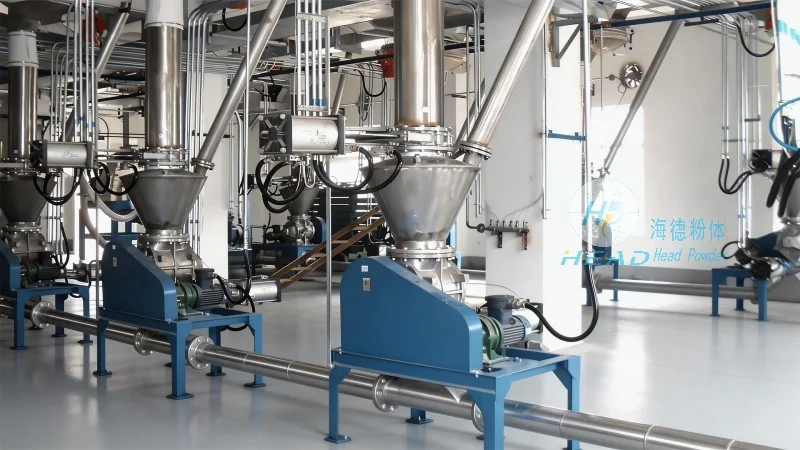
Pneumatic conveying utilizes air or gas to transport bulk materials, such as glass powders and granules, through a pipeline system. The core principle involves creating a pressure differential to move material from a source to a destination. There are two primary types of pneumatic conveying systems: pressure and vacuum. Pressure systems use compressed air to push material through the pipeline, while vacuum systems create a negative pressure to draw material in. For glass raw materials, which often require gentle handling to prevent degradation or contamination, low-pressure or vacuum systems are commonly preferred to minimize material stress and maintain product integrity.
Applications in Glass Manufacturing
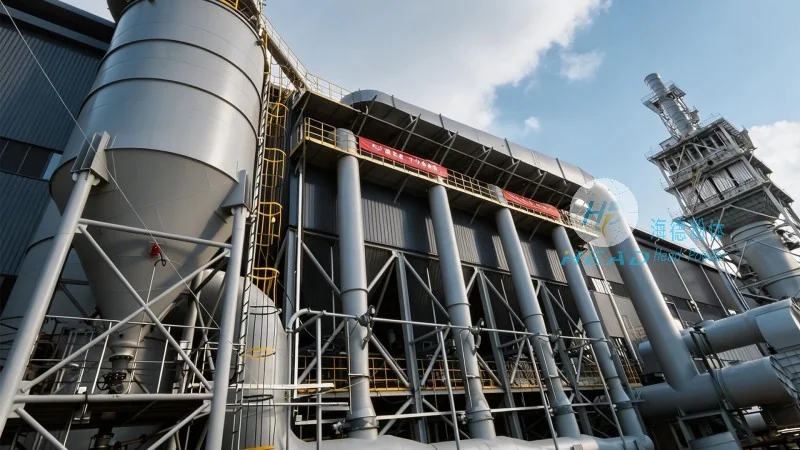
The application of pneumatic conveying technology in glass production is widespread and critical for optimizing material flow. In glass factories, these systems are used to transport raw materials like silica sand, soda ash, limestone, and colorants from storage silos to processing lines. They also facilitate the transfer of finished glass products or intermediate products between different stages of production, such as from mixing to melting or from molding to packaging. HeadPowder’s systems are designed to handle various glass raw materials with different particle sizes and properties, ensuring consistent and reliable material transfer. For instance, in the production of flat glass, pneumatic conveyors efficiently move fine powders to the batch house, while in the manufacturing of glass containers, they assist in transporting crushed glass (cullet) for recycling. The technology also supports the handling of additives, such as feldspar or borax, which are essential for adjusting the chemical composition of the glass melt. By integrating pneumatic conveying into the production line, manufacturers can achieve seamless material flow, reduce manual handling, and improve overall operational efficiency.
Advancements and Future Trends
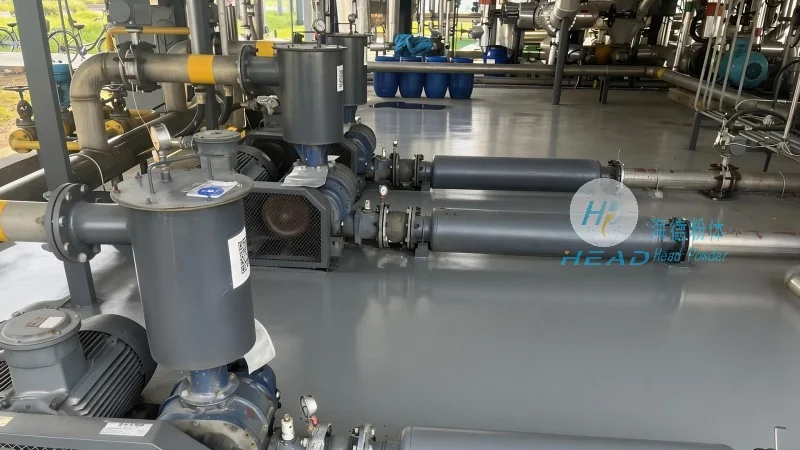
The field of pneumatic conveying for glass raw materials is continuously evolving, driven by technological advancements and the need for more efficient, sustainable, and precise material handling solutions. Recent developments include the adoption of intelligent control systems that optimize air pressure and flow rates based on real-time material conditions, reducing energy consumption and operational costs. Additionally, advancements in material science have led to the development of specialized materials for pipeline components, such as stainless steel or corrosion-resistant alloys, which are better suited for handling abrasive glass powders and preventing material buildup or contamination. Another trend is the integration of automation and sensors into conveying systems, enabling real-time monitoring of material flow, pressure, and temperature. This allows for proactive maintenance and immediate adjustments to prevent system failures or product quality issues. Furthermore, the focus on sustainability has prompted the development of more energy-efficient systems, such as using regenerative blowers or optimizing air usage to minimize environmental impact. As glass manufacturing becomes more complex and demanding, these advancements in pneumatic conveying technology will play a crucial role in meeting the industry's evolving needs, ensuring higher productivity, better product quality, and reduced operational costs.
Conclusion
HeadPowder Engineering Co., Ltd., based in Shandong, China, remains at the forefront of developing and implementing advanced pneumatic conveying solutions for glass raw materials. By adhering to the principles of efficient material handling, leveraging technological innovations, and focusing on sustainability, the company continues to provide high-quality systems that meet the diverse needs of the glass industry. The evolution of pneumatic conveying technology not only enhances the operational efficiency of glass manufacturing processes but also contributes to the overall advancement of the industry, supporting the production of high-quality glass products while minimizing environmental impact.