

Comparison of Positive Pressure and Negative Pressure Pneumatic Conveying for Grain Transport
When it comes to transporting grain efficiently and safely, the choice of pneumatic conveying system plays a crucial role. Two primary methods dominate the industry: positive pressure and negative pressure systems. Each has its unique advantages and applications, making it essential for grain handlers to understand the differences between them. This article provides a detailed comparison of positive pressure and negative pressure pneumatic conveying, focusing on their mechanisms, benefits, and typical use cases.
Introduction to Pneumatic Conveying Systems for Grain Handling
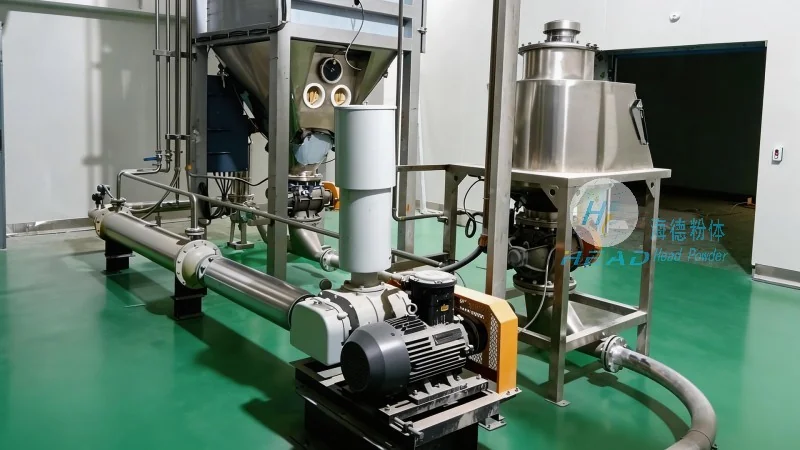
Pneumatic conveying is a method of transporting bulk materials like grain through a pipeline using air or gas as the conveying medium. Unlike mechanical systems that rely on belts or buckets, pneumatic systems use pressure differentials to move material. This technology offers advantages such as reduced labor costs, minimal product degradation, and the ability to handle materials in a dust-free environment. However, the choice between positive and negative pressure systems depends on factors like the distance to be covered, the volume of grain, and the need for dust control.
About HeadPowder Engineering Co., Ltd.
HeadPowder Engineering Co., Ltd., a leading manufacturer based in Shandong, China, specializes in designing and manufacturing advanced pneumatic conveying systems. With years of experience in the grain handling industry, HeadPowder provides customized solutions tailored to the specific needs of clients. The company's commitment to quality and innovation ensures that its systems meet the highest standards of efficiency and reliability. Whether for small-scale operations or large industrial facilities, HeadPowder's expertise in both positive and negative pressure conveying makes it a trusted partner for grain transport solutions.
Positive Pressure Pneumatic Conveying
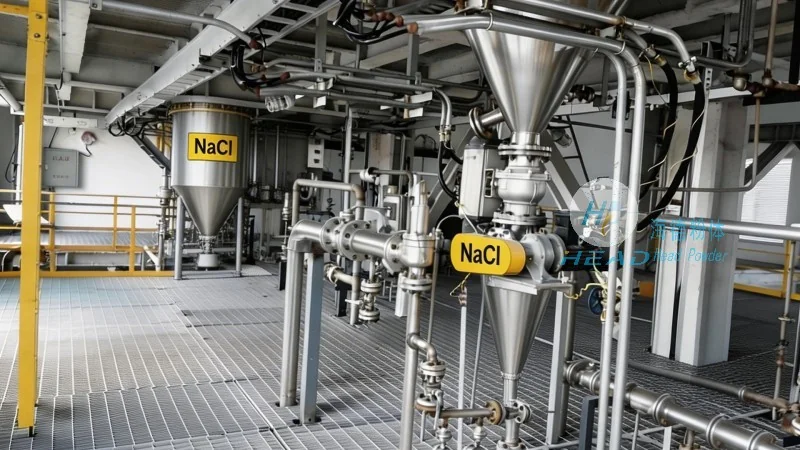
Positive pressure pneumatic conveying operates by blowing air or gas into the conveying line, creating a pressure higher than the ambient air. This pressure pushes the grain through the pipeline, allowing for the transportation of materials over long distances and at high capacities. The system typically uses a positive displacement blower or a centrifugal fan to generate the necessary pressure. One of the key advantages of positive pressure systems is their ability to handle large volumes of grain with minimal pressure loss. They are commonly used in applications where the conveying distance exceeds 100 meters and where the material is non-abrasive or moderately abrasive. The high pressure also helps in maintaining the integrity of the grain, preventing breakage and dust generation during transport.
Negative Pressure Pneumatic Conveying
Conversely, negative pressure pneumatic conveying works by creating a vacuum in the conveying line, drawing the grain into the system. The ambient air is pulled through the pipeline, carrying the grain with it. This method is often referred to as suction conveying. Negative pressure systems are particularly suitable for short to medium distances, typically up to 50 meters, and for applications where dust control is a priority. The low pressure environment reduces the risk of dust exposure and makes it ideal for handling sensitive materials or in environments where dust suppression is required. However, negative pressure systems may have limitations in terms of the maximum conveying distance and the volume of grain they can handle compared to positive pressure systems.
Key Differences and Applications
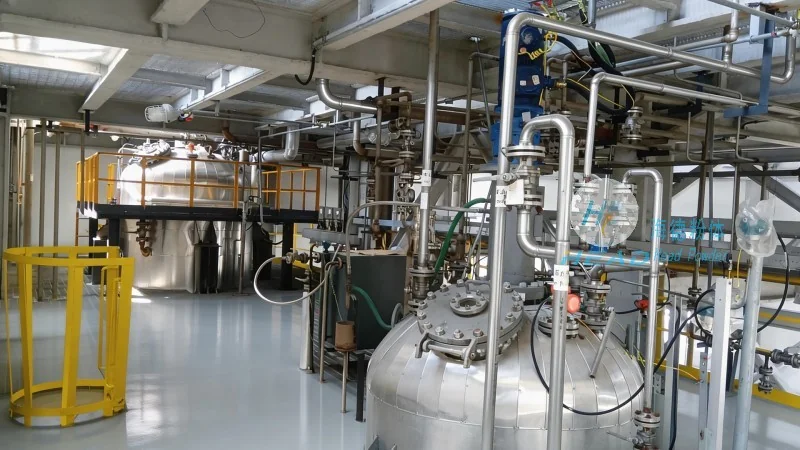
The primary difference between positive and negative pressure pneumatic conveying lies in the direction of air flow and the pressure differential. Positive pressure systems push the material forward using high pressure, while negative pressure systems pull the material using a vacuum. This fundamental difference affects their performance in various scenarios. For instance, positive pressure is preferred for long-distance, high-volume transport of non-dusty or moderately dusty grain, such as in large grain elevators or bulk handling facilities. Negative pressure, on the other hand, is ideal for short-distance transport in environments where dust control is critical, such as in processing plants or storage facilities with strict air quality regulations.
Choosing the Right Conveying System for Grain Handling
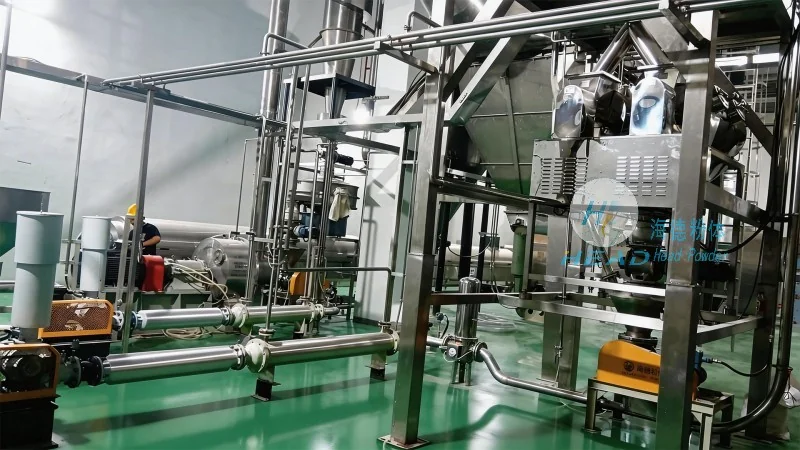
When selecting a pneumatic conveying system for grain handling, several factors must be considered. The first is the distance between the source and the destination. For distances over 100 meters, positive pressure is generally more efficient. For shorter distances, negative pressure may be sufficient and more cost-effective. The second factor is the volume of grain to be transported. Positive pressure systems are better suited for high-capacity applications, while negative pressure may be limited by the maximum flow rate. Dust control is another critical consideration. If the grain is prone to generating dust or if the facility requires a dust-free environment, negative pressure systems are preferable due to their lower pressure and better containment capabilities. Finally, the nature of the grain itself, such as its abrasiveness or moisture content, can influence the choice. Abrasive materials may require more robust equipment in positive pressure systems, while sensitive materials are better handled by negative pressure to prevent damage.
Conclusion
In conclusion, both positive pressure and negative pressure pneumatic conveying are effective methods for grain transport, each with its own set of advantages and limitations. Positive pressure systems excel in long-distance, high-volume applications, offering efficiency and reliability. Negative pressure systems, while suitable for shorter distances and dust-sensitive environments, provide better control over dust and are more suitable for specific operational needs. By understanding the characteristics of each system and the requirements of the grain handling operation, businesses can choose the most appropriate pneumatic conveying solution. HeadPowder Engineering Co., Ltd. offers a range of customized solutions that cater to these diverse needs, ensuring optimal performance and efficiency in grain transport.