

Types and Practical Applications of Pneumatic Conveying Systems for Feed Pellet Transport
Efficient and reliable transport of feed pellets is a critical aspect of modern animal feed production and processing. Pneumatic conveying systems have emerged as a preferred solution for handling feed pellets due to their ability to transport materials over long distances with minimal maintenance and operational costs. This article explores the various types of pneumatic conveying systems commonly used in feed pellet transport and their practical applications, highlighting the benefits and considerations for different operational scenarios.

Introduction to Pneumatic Conveying Systems in Feed Industry
Shandong HeadPowder Engineering Co., Ltd., a leading manufacturer in the field, specializes in designing and supplying advanced pneumatic conveying solutions tailored to the unique needs of the feed processing industry. The company’s expertise lies in understanding the specific challenges associated with transporting feed pellets, such as material properties, moisture content, and the need for hygienic and efficient handling. By leveraging cutting-edge technology and engineering, HeadPowder provides customized pneumatic conveying systems that enhance productivity and ensure product quality throughout the feed production chain.
Types of Pneumatic Conveying Systems for Feed Pellet Transport
There are primarily two main categories of pneumatic conveying systems used in feed pellet transport: positive pressure systems and negative pressure systems. Each type has distinct characteristics and is suitable for different operational requirements.
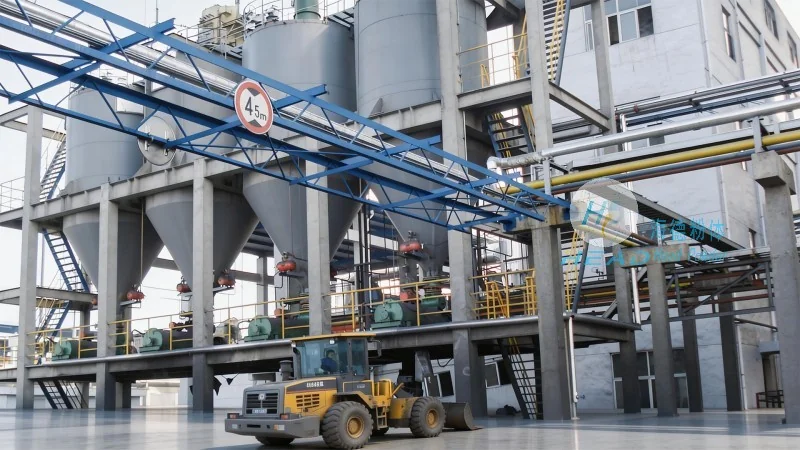
Positive Pressure Pneumatic Conveying Systems
Positive pressure systems operate by blowing air or gas into the conveying line, creating a pressure higher than the ambient air pressure. This method is ideal for applications where the material needs to be transported from a central point to multiple destinations or over long distances. The system typically consists of a blower, a hopper, and a series of pipes with inlets and outlets. The feed pellets are drawn into the system by the pressure differential and are carried along by the moving air stream. Positive pressure systems are particularly effective for transporting feed pellets that are prone to dust or require airtight handling to prevent contamination. They are also suitable for applications where the feed material is sensitive to moisture or temperature changes, as the system can be equipped with temperature control and moisture reduction features.
Negative Pressure Pneumatic Conveying Systems
Negative pressure systems, also known as suction systems, operate by creating a vacuum in the conveying line, drawing the feed pellets into the system. This method is commonly used for short to medium distance transport, especially when the material needs to be collected from multiple points and conveyed to a central location. The system includes a vacuum pump, a hopper, and a network of pipes with collection points. The feed pellets are drawn into the system by the negative pressure, and the air carrying the material is then filtered and cleaned before being released back into the environment. Negative pressure systems are advantageous for applications where the feed material is light and dusty, as they can effectively capture and transport fine particles without causing excessive wear on the equipment. They are also suitable for handling feed pellets that are sensitive to pressure changes or require a low-pressure environment to maintain product integrity.
Practical Applications of Pneumatic Conveying Systems
The practical applications of pneumatic conveying systems in feed pellet transport are diverse and cover various stages of the feed production process. One common application is the transport of feed pellets from the pelletizing machine to the storage silos or packaging areas. This is typically done using a positive pressure system, as it allows for efficient and continuous transport over long distances without the need for multiple transfer points. The system can be designed to handle high volumes of feed pellets, ensuring that the production line operates smoothly and without interruptions.
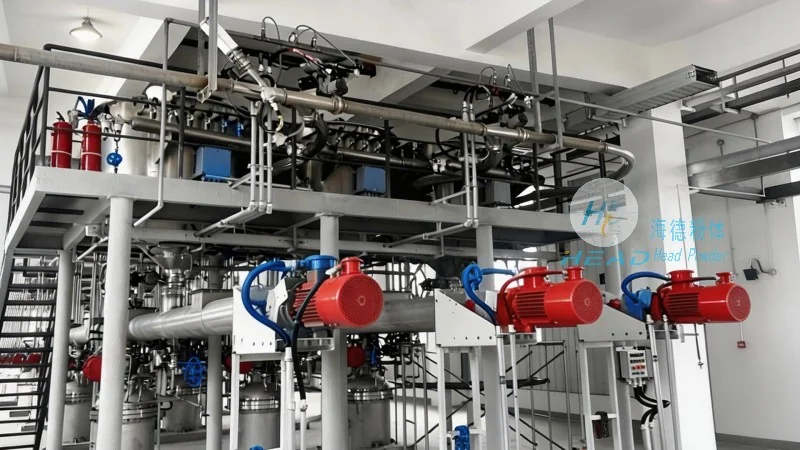
Another practical application is the transport of feed pellets from storage silos to the mixing and blending units. In this case, a negative pressure system may be used, especially if the feed material is stored in multiple silos and needs to be collected and transported to a central mixing point. The system can be equipped with multiple collection points and a vacuum pump that can draw material from each silo simultaneously, improving the efficiency of the mixing process. This application is particularly useful in large-scale feed production facilities where multiple ingredients need to be combined in precise ratios.
Additionally, pneumatic conveying systems are used in the transport of feed pellets from the packaging line to the loading areas or distribution centers. This is typically done using a positive pressure system, as it allows for the efficient and hygienic transport of packaged feed pellets without the risk of contamination. The system can be designed to handle different packaging sizes and materials, ensuring that the feed is transported safely and efficiently to its final destination.
Benefits and Considerations for Pneumatic Conveying Systems
Implementing a pneumatic conveying system for feed pellet transport offers several benefits, including increased efficiency, reduced labor costs, and improved product quality. The systems are capable of transporting feed pellets at high speeds and over long distances, reducing the need for manual handling and minimizing the risk of material damage or contamination. Additionally, the systems can be equipped with features such as temperature control, moisture reduction, and dust suppression, which help to maintain the quality of the feed pellets throughout the transport process.
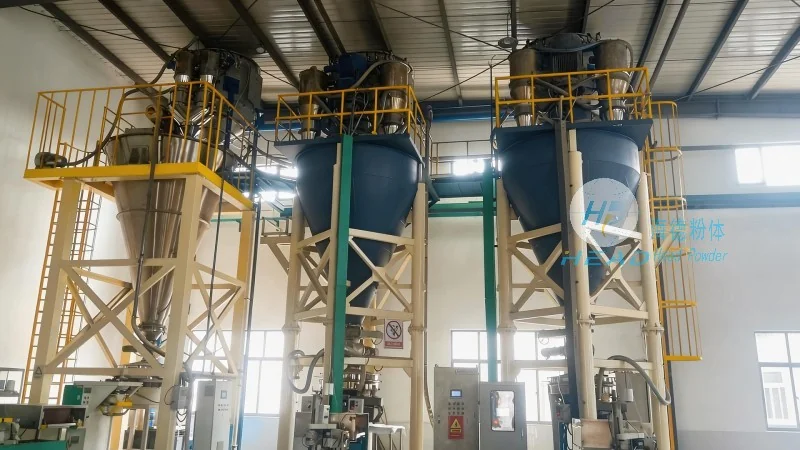
However, there are also some considerations to keep in mind when selecting a pneumatic conveying system for feed pellet transport. The choice of system type depends on factors such as the distance to be covered, the volume of material to be transported, the material properties, and the operational requirements. For example, positive pressure systems are generally more suitable for long-distance transport, while negative pressure systems are better for short to medium distance transport. The system design also needs to consider the need for maintenance and repair, as well as the availability of spare parts and technical support.
Conclusion
Pneumatic conveying systems are an essential component of modern feed pellet transport, offering efficient, reliable, and hygienic solutions for various operational scenarios. Shandong HeadPowder Engineering Co., Ltd. provides customized pneumatic conveying systems that are tailored to the specific needs of the feed processing industry, ensuring that the systems are optimized for performance, efficiency, and product quality. By leveraging the latest technology and engineering expertise, HeadPowder helps feed producers to enhance their operational efficiency, reduce costs, and maintain the highest standards of product quality throughout the feed production chain.