

Technical Parameters of Magnesia and Conveying System Process
Understanding the technical parameters of magnesia and the design of its conveying system is crucial for optimizing industrial processes in various sectors, particularly in refractory and chemical industries. Magnesia, a key raw material, is widely used due to its excellent thermal stability and chemical resistance. The accurate specification of magnesia's properties ensures the effectiveness and longevity of applications such as furnace linings and filtration systems. This article delves into the essential technical parameters of magnesia and outlines the key considerations for designing an efficient conveying system.
Key Technical Parameters of Magnesia
Magnesia, chemically known as magnesium oxide (MgO), is characterized by several critical technical parameters that determine its suitability for specific applications. These parameters include chemical composition, particle size distribution, bulk density, and reactivity. The chemical purity of magnesia, typically measured by the percentage of MgO, directly impacts its refractory properties. High purity magnesia (above 98%) is preferred for high-temperature applications where minimal impurities are essential to prevent degradation. Particle size distribution is another critical factor, as it affects the material's flowability and packing density. Coarse particles enhance strength but may reduce flow, while fine particles improve workability but increase dust generation. Bulk density, often expressed in kg/m³, influences the storage and handling efficiency of magnesia. A higher bulk density indicates better packing and reduces storage space requirements. Reactivity, measured by the rate of hydration or carbonation, determines the material's performance in environments with moisture or carbon dioxide. Low reactivity magnesia is ideal for long-term applications in harsh conditions.
Conveying System Design for Magnesia
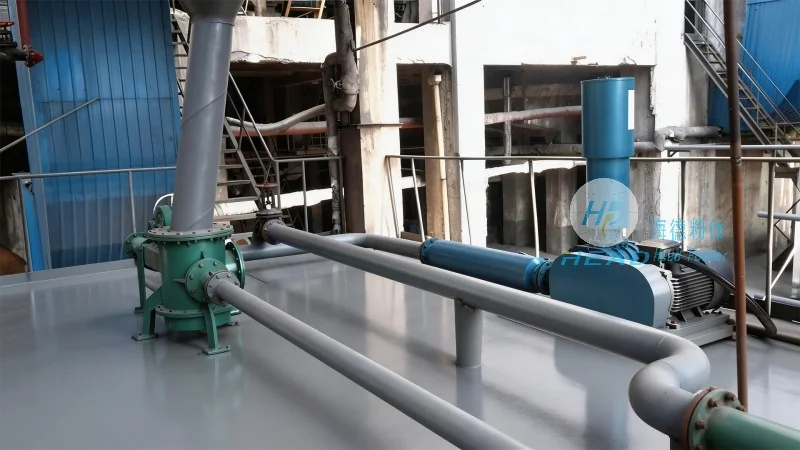
The design of a conveying system for magnesia must address the unique properties of the material to ensure safe and efficient transport. The system typically involves a combination of equipment such as feeders, conveyors, and storage silos. The choice of equipment depends on the magnesia's flow characteristics and the required throughput. For example, screw conveyors are suitable for handling fine, free-flowing magnesia, while bucket elevators are preferred for bulk, cohesive materials. The system design also considers the need for dust control and environmental compliance. Magnesia is a fine powder that can generate significant dust during handling, posing health and safety risks. Therefore, dust collection systems, such as baghouses or cartridge filters, are integrated into the conveying system to capture and neutralize airborne particles. Additionally, the system must be designed to minimize material degradation, as magnesia can react with moisture or other substances during transport. Proper sealing and moisture control are essential to maintain the material's quality. The conveying system's layout, including the placement of silos, feeders, and conveyors, is optimized to minimize material handling distances and reduce energy consumption. This involves considering the vertical and horizontal distances between storage and processing areas, as well as the required flow rates. The selection of materials for the conveying system components, such as stainless steel or special alloys, is critical to prevent corrosion and ensure durability. Magnesia can be corrosive to certain materials, so equipment made from corrosion-resistant materials is preferred to extend the system's lifespan.
Process Integration and Optimization
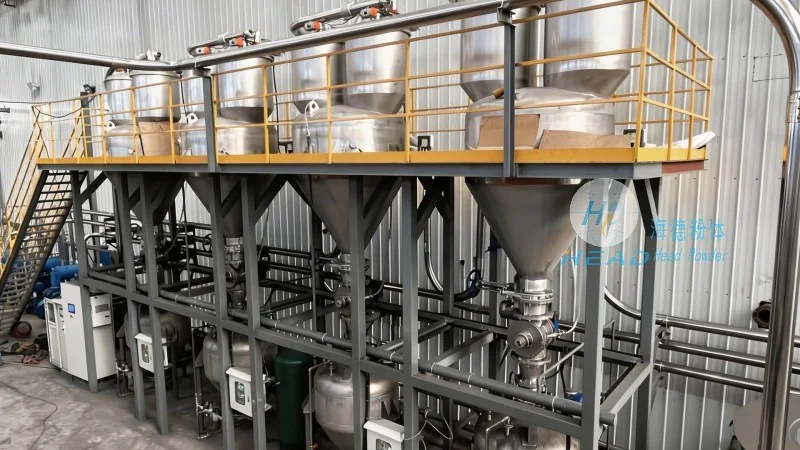
The integration of magnesia conveying systems with overall industrial processes is vital for maximizing efficiency and productivity. The system must be synchronized with upstream and downstream operations, such as raw material storage, processing, and product packaging. This integration ensures a smooth flow of magnesia from storage to the point of use, minimizing bottlenecks and downtime. Process control systems, including sensors and automation, are employed to monitor and regulate the conveying system's performance. These systems provide real-time data on flow rates, pressure, and material levels, allowing for immediate adjustments to maintain optimal operation. The optimization of the conveying system involves balancing several factors, including energy consumption, material loss, and operational costs. Energy-efficient equipment, such as variable-speed drives for conveyors, reduces power usage while maintaining required flow rates. Material loss prevention measures, such as proper sealing and minimal friction, reduce waste and improve overall efficiency. Operational costs are minimized by regular maintenance and the use of durable components. The system's design also considers scalability, allowing for future expansion to accommodate increased production demands. This flexibility ensures that the conveying system remains effective as the industrial process evolves. The collaboration between magnesia suppliers and conveying system manufacturers is essential for achieving optimal integration. Suppliers provide insights into the material's properties and handling requirements, while manufacturers design systems tailored to these specifications. This partnership ensures that the conveying system is both efficient and reliable, supporting the long-term success of the industrial operation.
Case Study: HeadPowder's Conveying Solutions
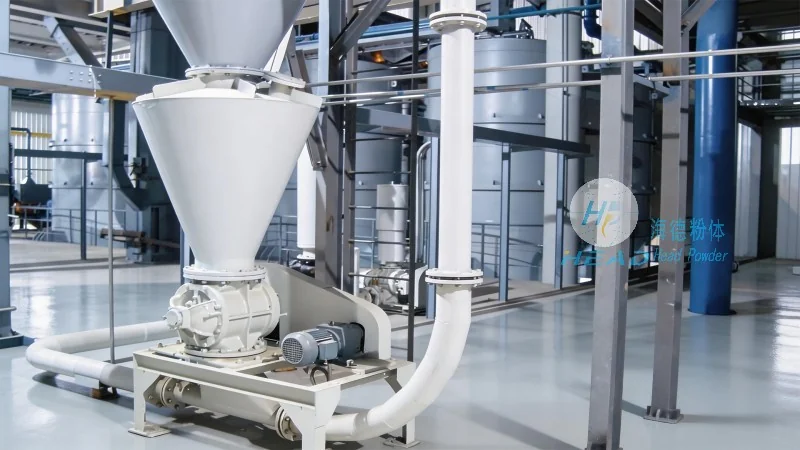
Shandong HeadPowder Engineering Co., Ltd., a leading provider of magnesia and conveying systems, has extensive experience in designing and implementing customized solutions for industrial clients. The company specializes in developing systems that meet the specific technical parameters of magnesia and the operational needs of various industries. For instance, a refractory manufacturer in China required a conveying system for high-purity magnesia to supply their furnace lining production. HeadPowder designed a system that included a bulk storage silo, a rotary feeder, and a pneumatic conveyor. The system was engineered to handle the fine, free-flowing magnesia with minimal dust generation. The rotary feeder ensured consistent material flow, while the pneumatic conveyor transported the magnesia to the production line with high efficiency. The system's performance was monitored using sensors that tracked flow rates and pressure. Over time, the system demonstrated improved productivity and reduced material waste, resulting in significant cost savings for the client. Another client, a chemical processing plant, needed a conveying system for magnesia used in filtration processes. HeadPowder's solution included a hopper feeder, a belt conveyor, and a dust collection system. The system was designed to maintain the magnesia's reactivity and prevent moisture absorption. The hopper feeder provided a controlled discharge of material, while the belt conveyor transported it to the filtration units. The dust collection system effectively captured airborne particles, ensuring compliance with environmental regulations. The success of these projects highlights HeadPowder's expertise in tailoring conveying systems to meet the unique technical requirements of magnesia and the specific needs of industrial applications.
Conclusion and Future Trends
In conclusion, the technical parameters of magnesia and the design of its conveying system are critical factors in optimizing industrial processes. Understanding the chemical and physical properties of magnesia allows for the selection of appropriate equipment and system designs that ensure efficient and safe transport. The integration of advanced technologies, such as automation and process control, enhances the performance and reliability of conveying systems. As industries continue to demand higher efficiency and sustainability, the development of more advanced conveying systems for magnesia will remain a key focus. HeadPowder Engineering Co., Ltd. remains committed to providing innovative solutions that meet the evolving needs of the magnesia and conveying system market. By leveraging their expertise in magnesia technology and system design, the company continues to support clients in achieving their operational goals and maintaining a competitive edge in their respective industries.