

The Role of Pneumatic Conveying in Cement Powder Transport
Pneumatic conveying has emerged as a critical technology in the efficient and reliable transport of cement powder. This method leverages air pressure to move bulk materials like cement, offering a versatile solution for industries that require precise and controlled material handling. The role of pneumatic conveying in cement powder transport is not just about moving the material from one point to another; it’s about optimizing the entire process for speed, safety, and cost-effectiveness.
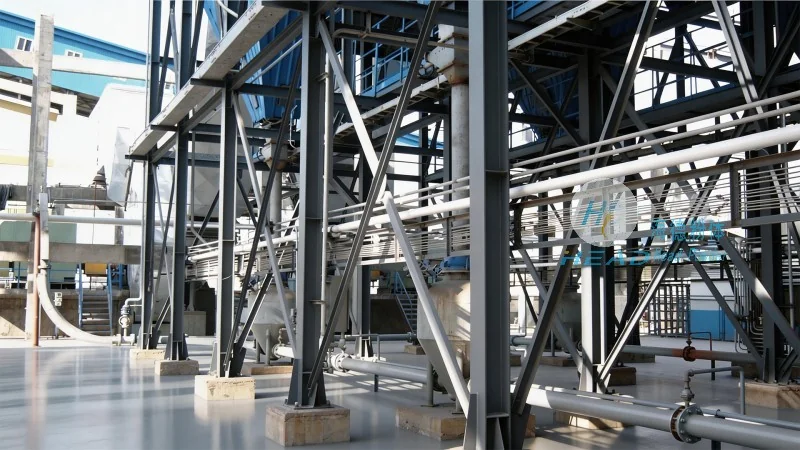
Company Overview: HeadPowder Engineering
Shandong HeadPowder Engineering Co., Ltd., commonly known as HeadPowder, is a leading provider of advanced material handling solutions. With a focus on pneumatic conveying systems, the company specializes in designing, manufacturing, and implementing technologies tailored for the cement industry. HeadPowder’s expertise lies in understanding the unique challenges of cement powder, such as its fine particle size, hygroscopic nature, and the need for minimal dust generation during transport. The company’s headquarters is located in Shandong, China, where it leverages local resources and industry knowledge to deliver high-quality solutions.
Technical Advantages of Pneumatic Conveying for Cement Powder
One of the primary advantages of pneumatic conveying for cement powder is its ability to handle fine, dry materials without the need for mechanical components that might cause wear or blockages. Unlike traditional methods like belt conveyors or screw conveyors, pneumatic systems use air to transport the material, reducing the risk of material degradation and ensuring a clean, dust-free operation. This is particularly important in cement production, where maintaining the quality of the powder is essential for consistent product performance.
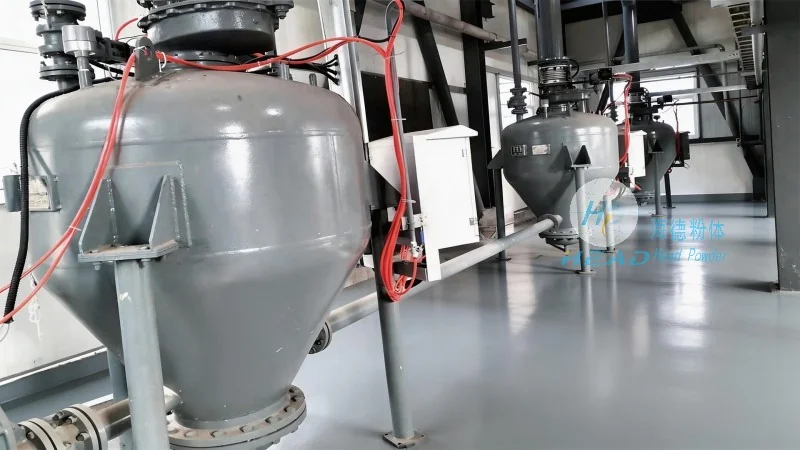
Pneumatic conveying systems also offer flexibility in terms of layout and integration. They can be designed to handle vertical, horizontal, or mixed-direction transport, adapting to the specific layout of a cement plant. This adaptability allows for efficient use of space and reduces the complexity of material flow within the facility. Additionally, these systems can be equipped with various control mechanisms to regulate the flow rate, pressure, and temperature, ensuring optimal performance under different operating conditions.
Practical Applications and Efficiency in Cement Powder Transport
In cement manufacturing, pneumatic conveying is widely used in several key stages. For instance, it is commonly employed to transport raw materials from storage silos to the grinding mills, where they are processed into cement powder. This process requires precise control to maintain the right mixture of ingredients, and pneumatic systems provide the necessary accuracy. Similarly, in the packaging and distribution stages, pneumatic conveying helps in moving the finished cement powder to storage tanks or loading areas, ensuring a smooth and continuous supply chain.
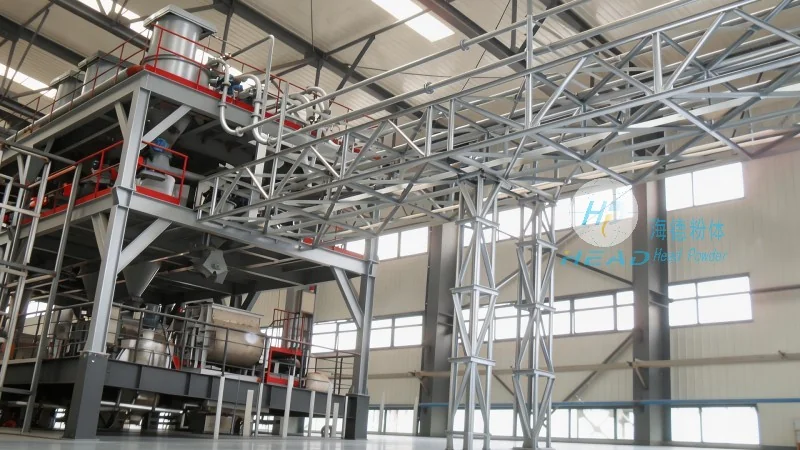
The efficiency of pneumatic conveying is further enhanced by its ability to minimize downtime and maintenance. Since the system relies on air as the primary medium, there are fewer moving parts compared to mechanical conveyors, which reduces the likelihood of breakdowns and the associated maintenance costs. This reliability is crucial in industrial settings where production interruptions can lead to significant financial losses.
Ensuring Reliability and Safety in Cement Powder Handling with Pneumatic Systems
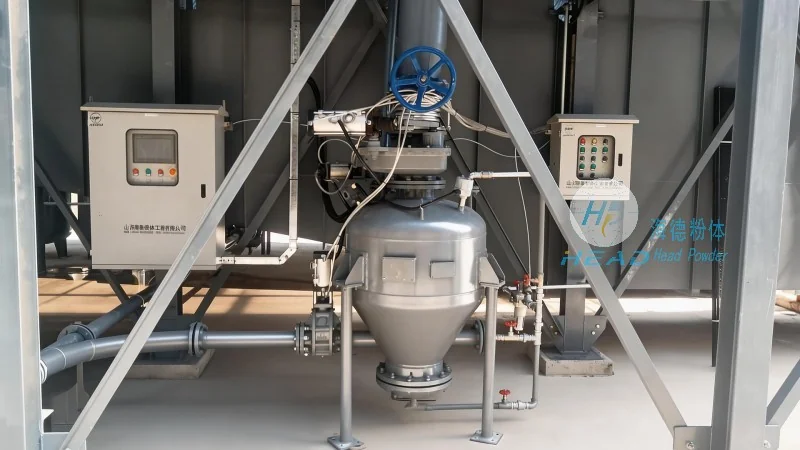
Safety is a paramount concern in cement powder handling, and pneumatic conveying systems address this with advanced features. The enclosed nature of the system prevents dust from escaping into the environment, reducing the risk of respiratory issues for workers and minimizing the impact on the surrounding ecosystem. Additionally, the system can be equipped with sensors and alarms to detect any anomalies, such as pressure drops or blockages, allowing for immediate intervention to prevent accidents.
Reliability is also ensured through the use of high-quality materials and robust design. HeadPowder’s systems are built with durable components that can withstand the abrasive nature of cement powder, ensuring long-term performance. Regular maintenance and quality control measures are also part of the company’s service, ensuring that the systems operate at peak efficiency throughout their lifespan.
Conclusion: Choosing the Right Solution for Cement Powder Transport
For industries dealing with cement powder, selecting the right material handling technology is critical to maintaining productivity and quality. Pneumatic conveying, with its numerous advantages, offers a superior solution compared to traditional methods. By leveraging the expertise of companies like Shandong HeadPowder Engineering Co., Ltd., businesses can implement systems that are tailored to their specific needs, ensuring efficient, safe, and reliable transport of cement powder.
In conclusion, the role of pneumatic conveying in cement powder transport is multifaceted, addressing both operational and safety needs. As the demand for efficient material handling in the cement industry continues to grow, the importance of advanced technologies like pneumatic conveying will only increase. HeadPowder’s commitment to innovation and quality positions it as a trusted partner for businesses seeking to optimize their cement powder transport processes.