

What is Powdered Ingredient Pneumatic Conveying? Classification and Applications of Pneumatic Convey
For businesses in the food processing industry, especially those dealing with powdered ingredients like seasonings, the efficiency and reliability of material handling systems are critical. Pneumatic conveying, a method that uses air to transport bulk materials, has become a cornerstone technology in modern production lines. This article explores the concept of powdered ingredient pneumatic conveying, outlines the different types of pneumatic conveying systems, and discusses their practical applications, with a focus on how companies like Shandong HeadPowder Engineering Co., Ltd. leverage this technology to enhance operational performance.
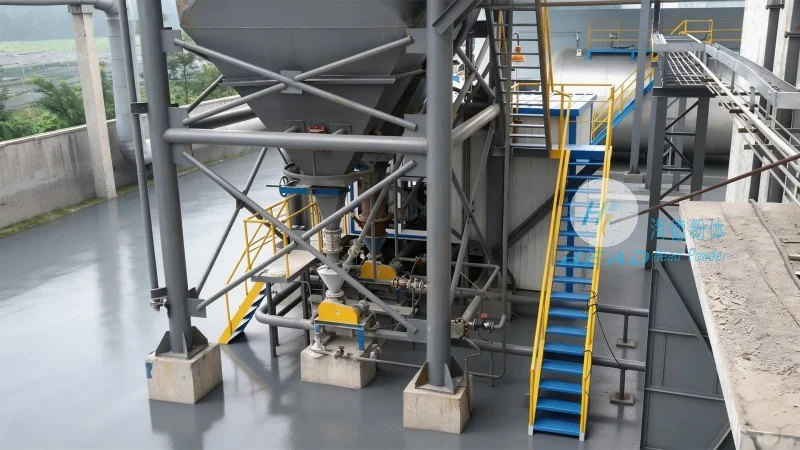
Introduction to Powdered Ingredient Pneumatic Conveying
Pneumatic conveying, also known as pneumatic transport, is a process that moves solid materials through a pipeline using pressurized or vacuum air. In the context of powdered ingredients, such as spices, herbs, and flavor enhancers, this technology is essential for safely and efficiently transferring these delicate products from one point to another in a production facility. The method offers several advantages over traditional mechanical conveying systems, including reduced product contamination, lower risk of dust explosions, and the ability to handle materials that are difficult to transport via conventional means.
Classification of Pneumatic Conveying Systems
Pneumatic conveying systems are broadly categorized into two main types: vacuum (or suction) systems and pressure (or blow) systems. Each type operates on different principles and is suited to specific operational requirements.
Vacuum Pneumatic Conveying systems use a vacuum to draw material from a source, such as a hopper or storage silo, into a pipeline. The system typically includes a vacuum pump, a filter, and a discharge point where the material is released. This type of system is ideal for applications where the material needs to be moved over short distances or where the source is at a lower elevation than the destination. It is commonly used in industries where the material is sensitive to pressure changes or where the system needs to be flexible in terms of layout.
Pressure Pneumatic Conveying systems, on the other hand, use compressed air to push material through a pipeline. The material is loaded into a hopper or silo under pressure, and then conveyed to the discharge point. This method is suitable for longer distances and higher material flow rates. Pressure systems are often preferred when the material is non-abrasive and when the system requires high throughput. Both vacuum and pressure systems can be further divided into positive displacement and dilute phase systems, depending on the air-to-material ratio and the pressure level used.
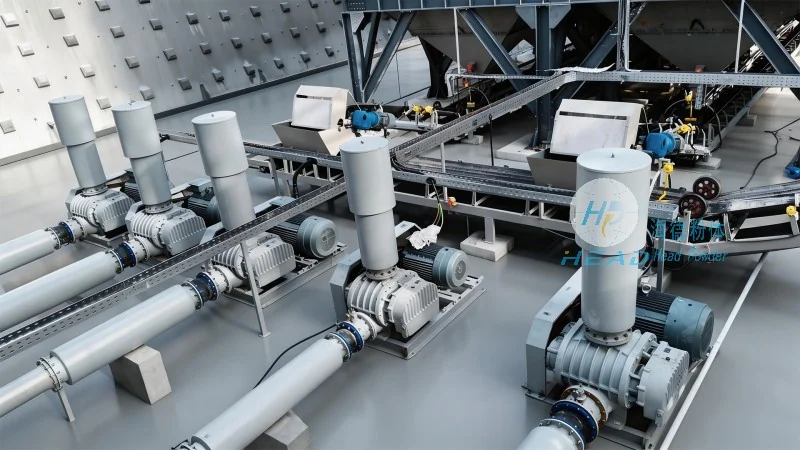
Applications in the Food Industry, Specifically for Seasoning Ingredients
The food industry, particularly manufacturers of seasonings and spices, relies heavily on pneumatic conveying for various stages of production. From raw material handling to packaging, the technology ensures that ingredients are transferred without degradation or contamination. For example, in a seasoning production line, powdered spices may be conveyed from a storage silo to a mixing machine, then to a packaging unit. The ability to handle fine powders and maintain product integrity is crucial here. Pneumatic conveying also facilitates the integration of different processing steps, such as blending, grinding, and packaging, into a seamless workflow.
Advantages of Using Pneumatic Conveying for Seasoning Products
There are several key advantages that make pneumatic conveying an attractive choice for transporting seasoning ingredients:
Hygienic and Sanitary Design: Pneumatic conveying systems can be designed with stainless steel components and enclosed pipelines, minimizing the risk of cross-contamination and ensuring compliance with food safety regulations. This is particularly important in the food industry, where product purity is paramount.
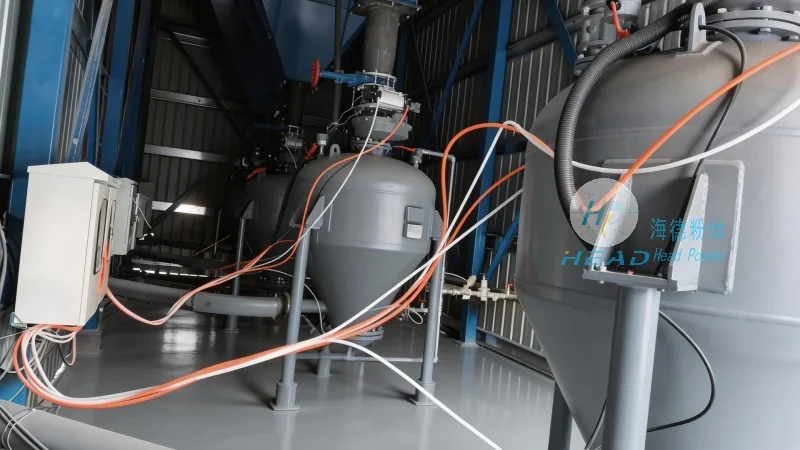
Efficient Material Handling: The technology allows for the rapid and continuous transfer of materials, reducing downtime and increasing overall production efficiency. Unlike mechanical conveyors, which may require frequent maintenance and cleaning, pneumatic systems can operate continuously with minimal intervention.
Reduced Product Damage: Fine powders and delicate ingredients can be easily damaged by mechanical abrasion or impact. Pneumatic conveying uses air to gently move materials, preserving their quality and reducing the risk of caking or agglomeration.
Flexible System Layout: Pneumatic systems can be easily reconfigured to accommodate changes in production processes or facility layout. This flexibility is valuable for companies that may need to expand or modify their operations over time.
Conclusion and Company Overview
As the food processing industry continues to evolve, the demand for efficient and reliable material handling solutions remains high. Pneumatic conveying, especially for powdered ingredients like seasonings, offers a robust and versatile approach to meeting these needs. Companies like Shandong HeadPowder Engineering Co., Ltd., based in Shandong, China, specialize in designing and manufacturing pneumatic conveying systems tailored to the specific requirements of the food industry. With a focus on hygiene, efficiency, and durability, their solutions help businesses streamline operations and maintain high standards of product quality. Whether for vacuum or pressure systems, dilute or dense phase applications, HeadPowder provides comprehensive solutions that enhance the performance and safety of seasoning production lines.