

What is Synthetic Fiber Pneumatic Conveying? Classification and Applications of Pneumatic Conveying
HeadPowder, a leading provider in the field, offers advanced solutions for pneumatic conveying, particularly with synthetic fiber materials. This article explores the fundamentals of synthetic fiber pneumatic conveying, its classification, and practical applications in various industries. Understanding the technology behind these systems is crucial for optimizing material handling processes and enhancing operational efficiency.
Understanding Synthetic Fiber Pneumatic Conveying
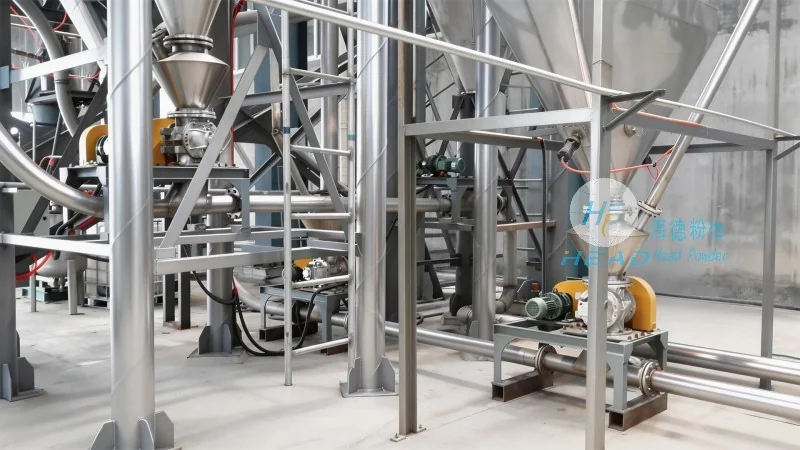
Synthetic fiber pneumatic conveying utilizes specialized synthetic fibers to transport bulk materials through a pressurized air system. Unlike traditional systems that rely on metal or plastic components, synthetic fiber hoses and ducts provide enhanced flexibility, durability, and resistance to abrasion. This makes them ideal for handling a wide range of materials, including powders, granules, and fine particles. The system operates by creating a low-pressure or high-pressure air flow that propels the material through the conveying line, ensuring smooth and efficient transport from the source to the destination.
Classification of Pneumatic Conveying Systems
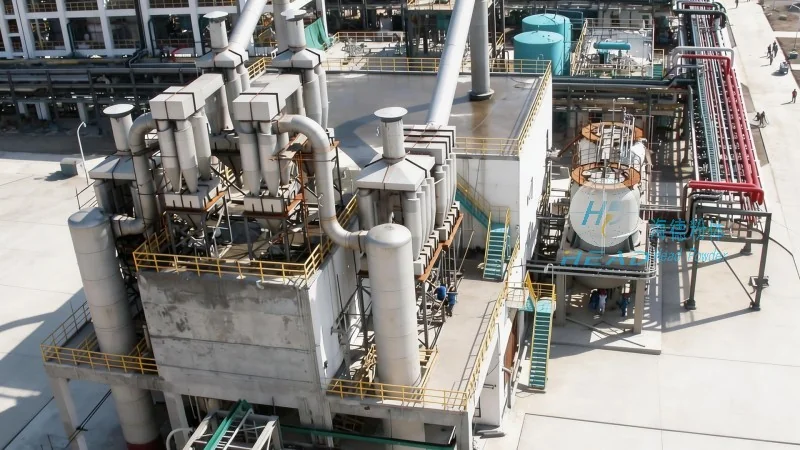
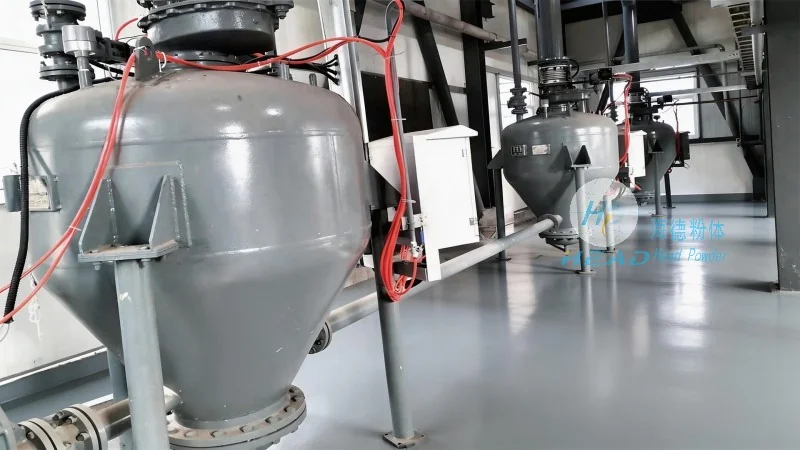
Pneumatic conveying systems are broadly classified into two main categories: dilute-phase and dense-phase. Dilute-phase systems, also known as low-pressure or high-velocity systems, use low air pressure and high air velocity to transport materials in a suspended state. This method is suitable for light materials and long-distance transport. Dense-phase systems, on the other hand, operate at higher air pressure and lower velocity, where materials are conveyed in a dense, plug-like flow. This approach is ideal for handling abrasive or sensitive materials, as it minimizes particle degradation and reduces wear on equipment.
Applications of Synthetic Fiber Pneumatic Conveying
The versatility of synthetic fiber pneumatic conveying makes it applicable across multiple sectors. In the pharmaceutical industry, these systems are used for transporting fine powders and granules, ensuring compliance with stringent hygiene and contamination control standards. The food industry benefits from the non-stick and easy-to-clean properties of synthetic fibers, facilitating the handling of food-grade powders and ingredients. In the chemical sector, synthetic fiber systems are employed to transport abrasive chemicals and reactive powders, providing durability and safety. Additionally, in the agricultural industry, they are used for conveying grain and other agricultural products, improving efficiency in storage and processing.
Benefits of Synthetic Fiber Pneumatic Conveying
Implementing synthetic fiber pneumatic conveying offers several advantages over conventional systems. The primary benefit is the reduced maintenance and operational costs due to the long service life of synthetic fibers. These materials are resistant to corrosion, chemicals, and abrasion, minimizing the need for frequent replacements. Furthermore, synthetic fiber systems are more flexible, allowing for easier installation and adaptation to existing facilities. The systems also contribute to energy efficiency by optimizing air pressure and flow rates, reducing energy consumption. Another key advantage is the improved safety, as the non-metallic components reduce the risk of sparks or electrical hazards in environments where flammable materials are present.
Conclusion
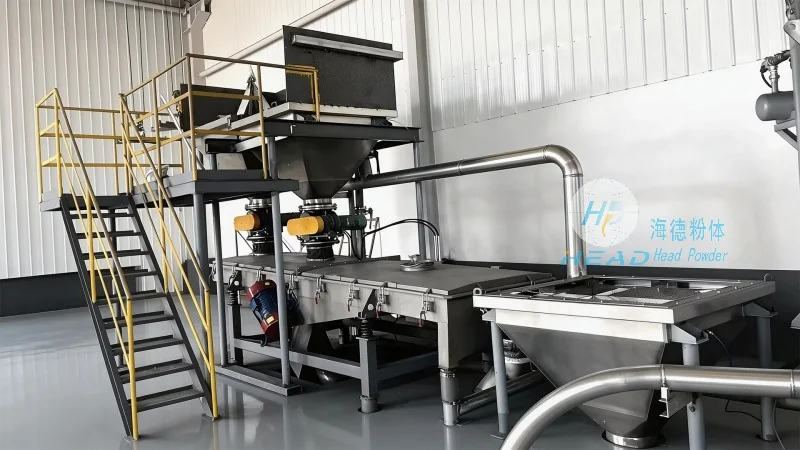
HeadPowder Engineering Co., Ltd., based in Shandong, China, specializes in providing high-quality synthetic fiber pneumatic conveying solutions. By leveraging advanced technology and materials, the company ensures reliable and efficient material handling for various industries. Whether it's dilute-phase or dense-phase systems, synthetic fiber pneumatic conveying offers a versatile and cost-effective solution for transporting bulk materials. For businesses seeking to enhance their material handling processes, synthetic fiber pneumatic conveying is a reliable choice that combines performance, durability, and efficiency.