

[MULTI]Main Types of Corn Pneumatic Conveying Structures
When it comes to the efficient and reliable transport of corn, understanding the various structures of pneumatic conveying systems is crucial. These systems are designed to handle corn from storage to processing with minimal loss and maximum efficiency. The key structures in corn pneumatic conveying typically include several distinct designs, each tailored to specific operational needs and material characteristics.
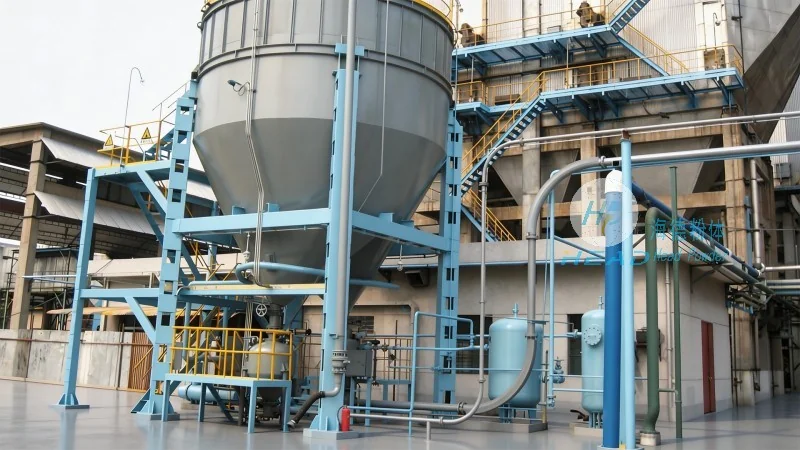
Basic Components of Corn Pneumatic Conveying Systems
All corn pneumatic conveying systems, regardless of their specific structure, share common fundamental components. These include a hopper or storage bin to hold the corn, a feeder to control the flow rate, a conveying line (usually a pipe), a vacuum or pressure source to move the material, and a collection or discharge point. The choice of these components and their arrangement forms the basis of different structural designs.
Types of Corn Pneumatic Conveying Structures
There are several main types of structures used in corn pneumatic conveying, each with its own advantages and applications. The most common include:
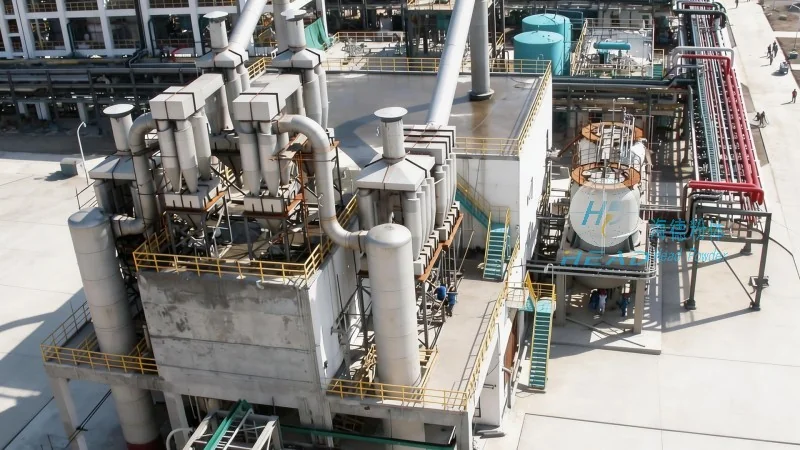
1. Dilute Phase Pneumatic Conveying
This is one of the most widely used structures for corn transport. In dilute phase systems, the corn particles are suspended in the air stream as they travel through the pipeline. The air velocity is typically high enough to keep the particles airborne, preventing clogging and ensuring smooth flow. Dilute phase systems are ideal for short to medium distances and can handle a wide range of corn types, from whole kernels to broken pieces. The structure includes a pressure blower or fan that generates the necessary airflow, a hopper with a rotary valve or screw feeder to meter the corn, and a pipeline system that may include bends, elbows, and a receiver at the end.
2. Dense Phase Pneumatic Conveying
Dense phase systems are designed for more challenging conditions, such as transporting corn over longer distances or handling materials that are more prone to degradation. In this structure, the corn is conveyed in a more concentrated form, with the particles moving in a plug flow rather than being fully suspended. The air velocity is lower, which reduces the risk of material breakage and allows for more efficient use of energy. Dense phase systems often use a positive displacement blower or compressor to maintain the pressure and flow. The structure typically includes a larger hopper, a more robust feeder, and a pipeline with larger diameter to accommodate the higher material concentration.
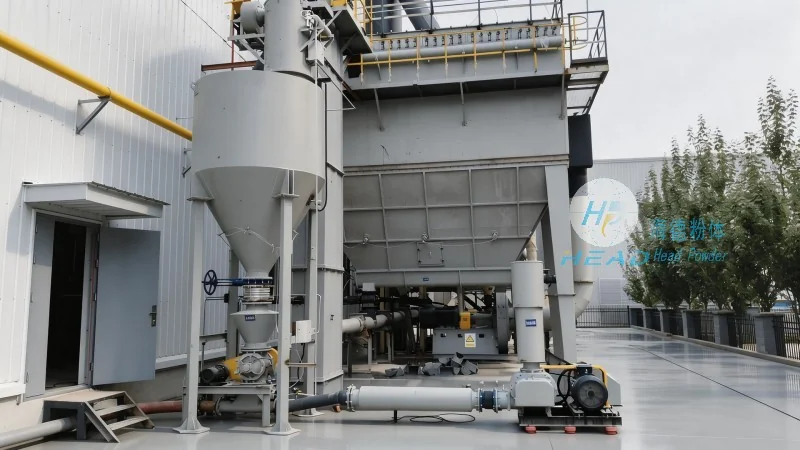
3. Hybrid Pneumatic Conveying
Some applications may require a combination of dilute and dense phase characteristics. Hybrid systems are designed to offer the benefits of both approaches. They may start with a dilute phase to transport the corn over a portion of the distance and then transition to a dense phase for the remainder. This structure allows for flexibility in handling different corn types and operational conditions. The system includes a combination of pressure and vacuum components, with a control system that adjusts the airflow and pressure based on the material being conveyed.
4. Vacuum Pneumatic Conveying
Vacuum systems are used when the corn needs to be transported from a lower elevation to a higher one, or when the source is located in a confined space. The structure operates by creating a vacuum in the pipeline, which draws the corn from the source and moves it to the destination. This type of system is often used in grain handling facilities where the corn is stored in bins or silos and needs to be moved to processing equipment. The components include a vacuum pump, a hopper with a valve, and a pipeline that may include vertical sections and bends to handle the elevation changes.
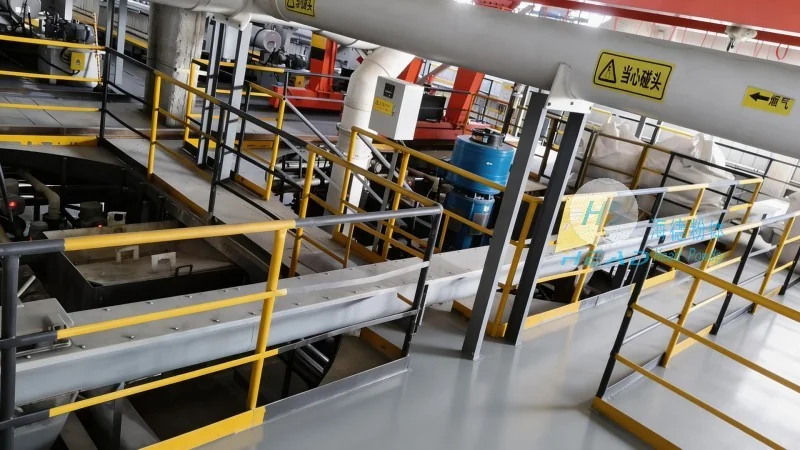
5. Pressure Pneumatic Conveying
Pressure systems are the opposite of vacuum systems, using pressure to push the corn through the pipeline. They are commonly used when the corn needs to be transported from a higher elevation to a lower one, or when the destination is located in a different part of the facility. The structure includes a pressure blower or compressor that generates the necessary pressure, a hopper with a feeder, and a pipeline that may include horizontal and vertical sections. Pressure systems are efficient for long distances and can handle a wide range of corn types, but they require more robust components to withstand the higher pressures.
Key Factors in Selecting a Corn Pneumatic Conveying Structure
The choice of a corn pneumatic conveying structure depends on several factors, including the distance to be covered, the height difference between the source and destination, the type and condition of the corn, and the required flow rate. For short distances and moderate elevations, a dilute phase system may be sufficient. For longer distances or higher elevations, a dense phase or hybrid system may be more appropriate. The material characteristics, such as moisture content and particle size, also play a role in determining the best structure. Additionally, the cost of the system, maintenance requirements, and energy efficiency should be considered when making a selection.