

What is Petroleum Coke Powder Pneumatic Conveying? An Introduction to the Working Principle of Powde
Understanding the working principle of powder handling systems, particularly in the context of petroleum coke powder pneumatic conveying, is crucial for industries dealing with bulk solid materials. This article provides a detailed overview of how such systems operate, focusing on the key components and processes involved in efficiently transporting petroleum coke powder through a pneumatic system.
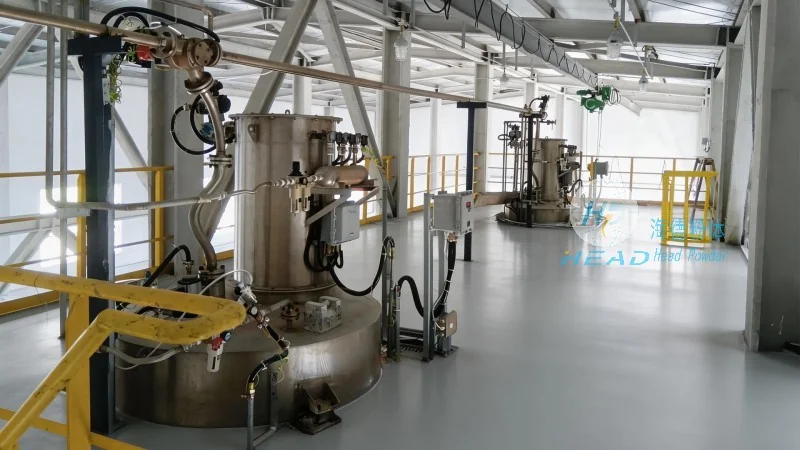
Pneumatic Conveying Basics and Its Application to Petroleum Coke Powder
Pneumatic conveying is a method of transporting bulk materials, such as powders and granules, using a gas stream, typically air or other gases. In the case of petroleum coke powder, this technology is employed to move the material from a source, like a storage silo or hopper, to a destination, such as a processing unit or storage facility. The system relies on the principle of creating a pressure differential or using vacuum to move the powder particles through a pipeline. This approach offers advantages over traditional mechanical conveying methods, including reduced equipment wear, lower maintenance costs, and the ability to handle materials that are difficult to transport via conventional means.
Key Components of a Petroleum Coke Powder Pneumatic Conveying System
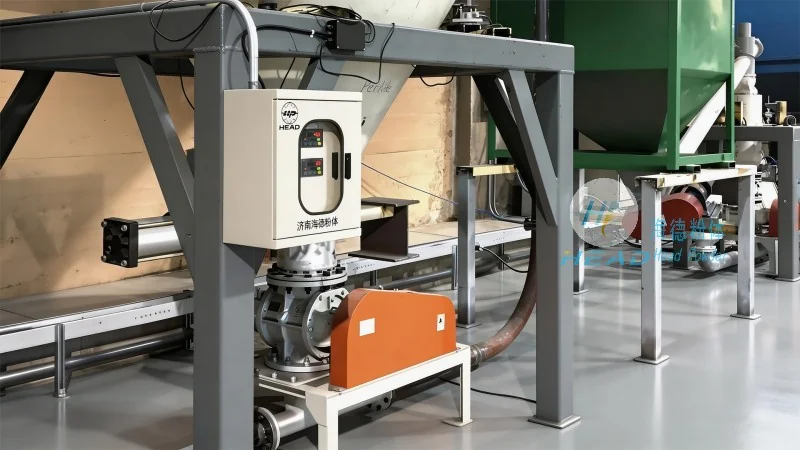
A typical petroleum coke powder pneumatic conveying system consists of several essential components that work in concert to ensure efficient material transport. These components include a material feeder, which controls the flow of the powder into the system; a conveying line, which is the pipeline through which the powder travels; a separator, which separates the powder from the air at the destination; and a dust collector, which captures any residual dust to maintain air quality and comply with environmental regulations. Additionally, the system may include a blower or compressor to generate the necessary air pressure or vacuum, and a control system to regulate the operation of the components based on process requirements.
The Working Principle: How the System Transports Petroleum Coke Powder
The operation of a petroleum coke powder pneumatic conveying system involves several steps. First, the petroleum coke powder is fed into the system from a storage hopper or silo using a feeder. The feeder ensures a consistent and controlled flow of the powder, preventing blockages and maintaining system efficiency. Next, the powder is introduced into the conveying line, where it is mixed with the air stream generated by the blower or compressor. The air stream creates a flow that carries the powder particles through the pipeline. As the mixture travels to the destination, it passes through a separator, which uses a combination of pressure drop and cyclonic action to separate the powder from the air. The separated powder is then collected in a storage bin or processing unit, while the air is either filtered and recirculated or released to the atmosphere, depending on the system design and environmental standards.
Advantages of Using Pneumatic Conveying for Petroleum Coke Powder
Employing pneumatic conveying for petroleum coke powder offers several benefits that make it a preferred choice in many industrial applications. One of the primary advantages is the ability to handle materials that are abrasive or have high moisture content, as the system minimizes direct contact between the powder and mechanical components, reducing wear and tear. Additionally, pneumatic conveying systems can transport materials over long distances and through complex layouts, such as vertical lifts or multiple branch lines, without the need for additional equipment like elevators or conveyors. This flexibility allows for more efficient plant layouts and easier integration into existing production processes. Furthermore, the system can be designed to operate at low or high pressure, depending on the specific requirements of the application, providing versatility in handling different types of powders and distances.
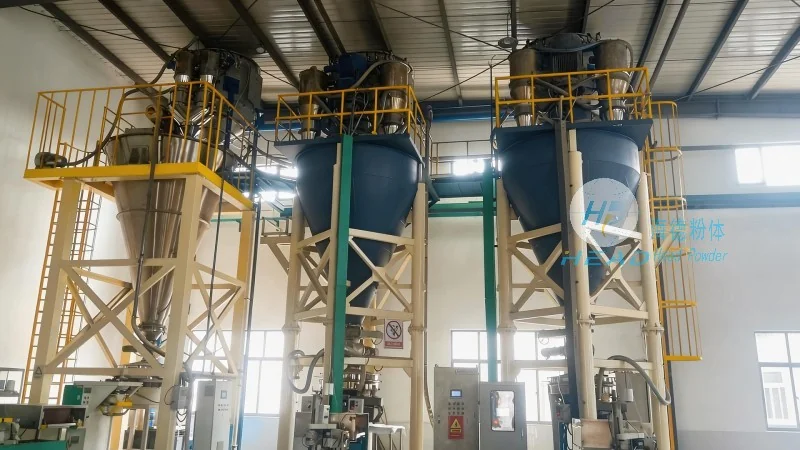
Considerations for Designing and Implementing a Petroleum Coke Powder Pneumatic Conveying System
When designing and implementing a petroleum coke powder pneumatic conveying system, several factors must be considered to ensure optimal performance and reliability. The first consideration is the material characteristics of the petroleum coke powder, including its particle size distribution, density, and flowability. These properties affect the system's design, such as the type of feeder and the required air velocity to prevent particle segregation or blockages. Another critical factor is the system's operating pressure and flow rate, which must be determined based on the distance to be covered and the desired material throughput. The selection of components, such as the blower or compressor, and the conveying line material, is also essential to ensure the system can handle the abrasive nature of petroleum coke powder without premature wear. Additionally, the system must comply with local environmental regulations regarding dust emissions and air quality, which may require the installation of dust collectors and filtration systems.
Conclusion: The Role of Pneumatic Conveying in Petroleum Coke Handling
In conclusion, petroleum coke powder pneumatic conveying is a sophisticated and efficient method for transporting bulk solid materials in industrial settings. By understanding the working principle and key components of such systems, industries can optimize their material handling processes, reduce operational costs, and improve overall productivity. The technology's ability to handle challenging materials like petroleum coke powder, combined with its flexibility and reliability, makes it a valuable solution for modern industrial applications. As a leader in powder handling systems, Shandong HeadPowder Engineering Co., Ltd. specializes in designing and manufacturing customized pneumatic conveying solutions tailored to the specific needs of clients, ensuring efficient and safe material transport in various industrial sectors.