

What is Stearic Acid Sodium Pneumatic Conveying? An Introduction to the Working Principle of Powder
Stearic acid sodium, a widely used powder in various industrial applications, often requires efficient and reliable transportation methods. Pneumatic conveying systems offer an effective solution for handling such powders, and understanding the working principle of these systems is crucial for optimizing material handling processes. This article provides an overview of stearic acid sodium pneumatic conveying, detailing the fundamental concepts and operational mechanisms involved.
Understanding Pneumatic Conveying Systems
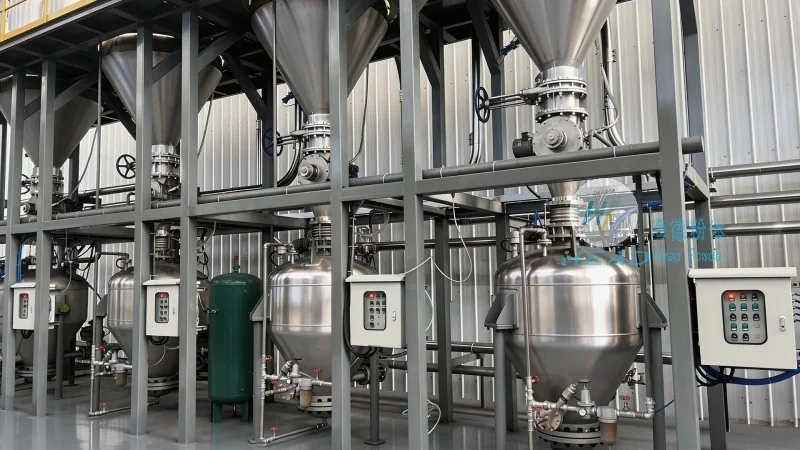
Pneumatic conveying, also known as air conveying, is a method of transporting bulk materials, such as powders and granules, using a stream of air. The process involves creating a flow of air within a pipeline, which then carries the material from the source to the destination. There are two primary types of pneumatic conveying systems: pressure and vacuum (or suction) systems. Pressure systems use compressed air to push the material through the pipeline, while vacuum systems use a vacuum to draw the material into the pipeline.
The Working Principle of Stearic Acid Sodium Pneumatic Conveying
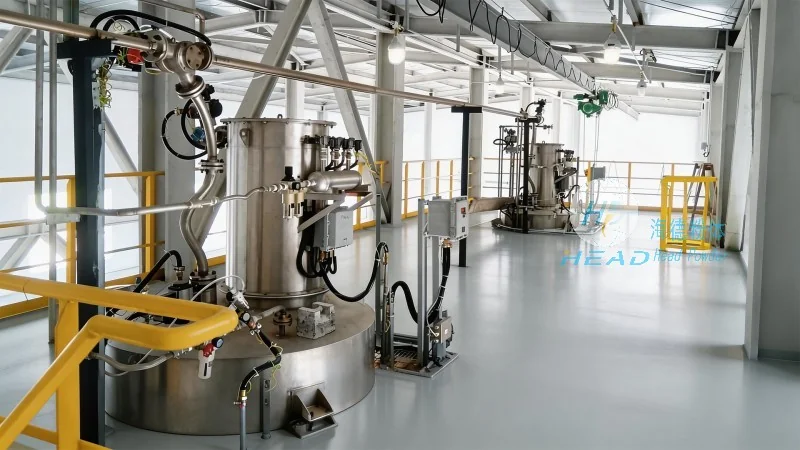
For stearic acid sodium, a fine powder commonly used in cosmetics, pharmaceuticals, and food industries, pneumatic conveying ensures safe and hygienic transport. The system typically consists of a hopper, a conveyor line, a control unit, and a receiver. The powder is first loaded into the hopper, where it is fed into the conveyor line by a rotary valve or a screw feeder. The air, either compressed or generated by a vacuum pump, is introduced into the line, creating a flow that carries the powder particles. The velocity of the air must be sufficient to overcome the gravitational and frictional forces acting on the powder particles, ensuring stable transport without particle degradation or blockage.
Key Components and Their Functions
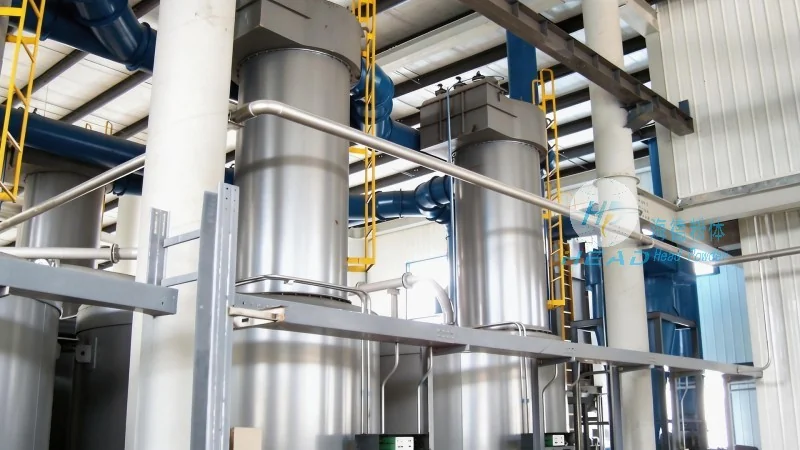
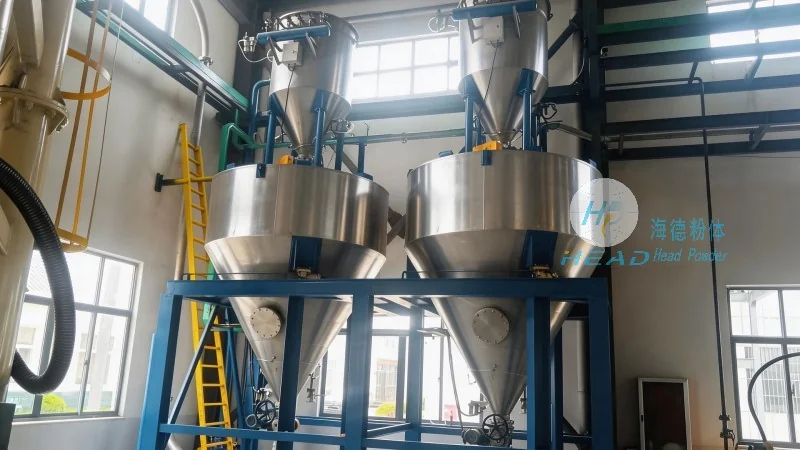
Several critical components make up a pneumatic conveying system for stearic acid sodium. The hopper serves as the storage and feeding unit, maintaining a consistent flow of material. The rotary valve or screw feeder regulates the amount of powder entering the conveyor line, preventing overloading and ensuring smooth operation. The conveyor line, usually made of stainless steel or other corrosion-resistant materials, is designed to withstand the abrasive nature of the powder and the pressure or vacuum conditions. The control unit monitors and adjusts the air flow and pressure, maintaining optimal conditions for conveying. The receiver collects the transported powder, often equipped with a dust collection system to ensure environmental compliance and product purity.
Advantages of Pneumatic Conveying for Stearic Acid Sodium
Implementing pneumatic conveying for stearic acid sodium offers several advantages over traditional methods like belt conveyors or manual handling. These include reduced contamination risk due to enclosed systems, improved safety by eliminating manual handling, and enhanced efficiency through automated control. The system also allows for flexible routing, enabling the powder to be transported to multiple destinations from a single source. Additionally, pneumatic conveying can handle varying particle sizes and moisture contents, making it suitable for diverse applications.
About Shandong HeadPowder Engineering Co., Ltd.
Shandong HeadPowder Engineering Co., Ltd., operating under the brand name headpowder, specializes in the design, manufacturing, and installation of advanced powder handling systems. With a focus on providing customized solutions for industrial applications, the company leverages its expertise in pneumatic conveying technology to deliver efficient and reliable systems for handling materials like stearic acid sodium. HeadPowder's commitment to quality and innovation ensures that its products meet the highest industry standards, supporting clients in optimizing their material handling processes and improving overall operational efficiency.