

What is a Cement Dry Powder Pneumatic Conveying Equipment? What are its Design Principles?
For industrial applications, the efficient and reliable transportation of cement and other dry powders is crucial. A cement dry powder pneumatic conveying equipment is a specialized system designed to handle the movement of these materials through the use of air pressure. This equipment is essential in various sectors, including construction, manufacturing, and chemical processing, where precise and controlled material handling is required.
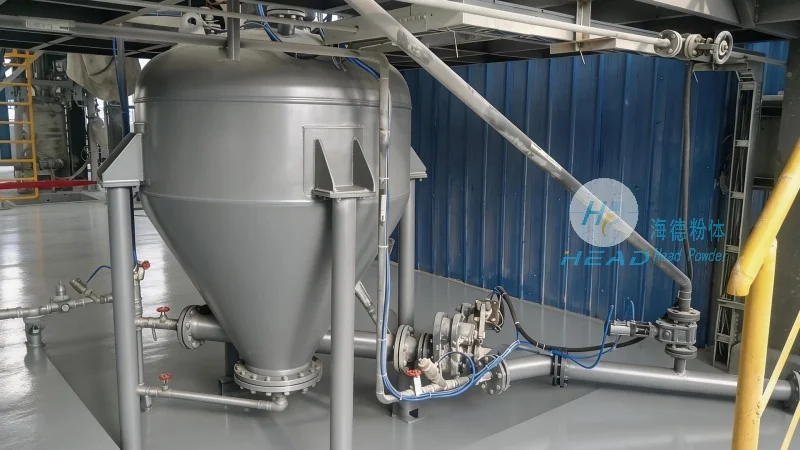
Understanding the Role of Cement Dry Powder Pneumatic Conveying Equipment
The primary function of a cement dry powder pneumatic conveying system is to transport dry powders like cement from one location to another without the need for mechanical components such as belts or buckets. Instead, it utilizes a pressurized air stream to move the material through a pipeline network. This method offers several advantages, including reduced maintenance, lower energy consumption compared to traditional mechanical conveyors, and the ability to handle materials that are abrasive or prone to caking.
Key Design Principles of Cement Dry Powder Pneumatic Conveying Systems
The design of a cement dry powder pneumatic conveying equipment is based on several fundamental principles that ensure optimal performance and efficiency. The most critical aspects include the selection of appropriate air pressure, the configuration of the pipeline system, and the use of specialized components such as cyclones, filters, and airlocks. Each of these elements plays a vital role in the overall operation of the system.
Firstly, the air pressure is a key factor. The system operates by creating a pressure differential between the inlet and outlet of the pipeline. This pressure difference generates the necessary force to move the dry powder particles through the system. The pressure level is typically determined based on the material's properties, such as its density and flowability, as well as the distance and height the material needs to be transported.
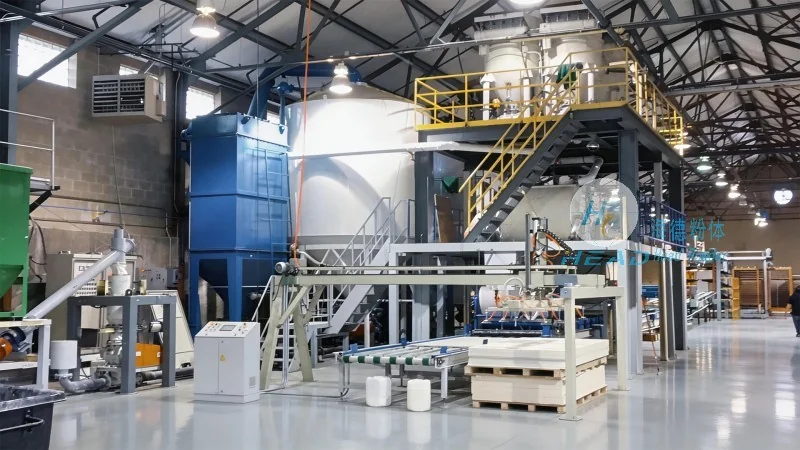
Secondly, the pipeline design is crucial. The layout of the conveying lines must be carefully planned to minimize pressure losses and ensure smooth material flow. Components like bends, elbows, and expansion joints are strategically placed to maintain the air flow and prevent material buildup or blockages. The use of appropriate pipe materials, such as stainless steel or PVC, is also important to prevent corrosion and ensure durability.
Thirdly, the inclusion of components like cyclones and filters is essential for maintaining the quality of the conveyed material and the system's performance. Cyclones are used to separate the dry powder from the air stream, allowing the powder to be collected in a hopper or silo. Filters are installed to remove any fine particles or dust from the exhaust air, ensuring compliance with environmental regulations and preventing contamination of the surrounding environment.
Additionally, airlocks are often incorporated into the system to control the flow of material at the discharge point. These devices prevent backflow and ensure that the material is discharged at a controlled rate, avoiding overloading or underloading of downstream equipment.
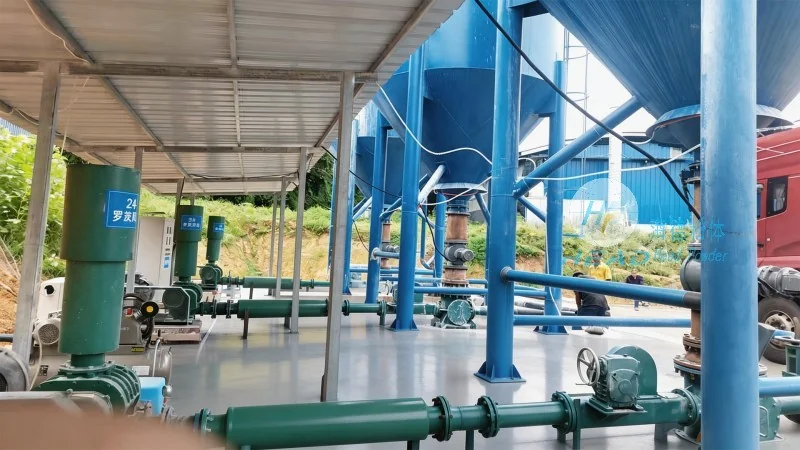
Applications and Benefits of Cement Dry Powder Pneumatic Conveying Equipment
Cement dry powder pneumatic conveying equipment is widely used in various industrial applications. In the construction industry, it is commonly employed to transport cement from storage silos to mixing plants or batching stations. This allows for efficient and continuous production of concrete, reducing downtime and improving productivity. In manufacturing, the equipment is used to convey raw materials or finished products in processes such as pharmaceuticals, food processing, and chemical production.
One of the main benefits of this technology is its ability to handle abrasive and fine powders without causing wear and tear on the system components. Unlike mechanical conveyors, which can suffer from frequent maintenance and replacement of parts, pneumatic conveying systems have fewer moving parts, resulting in lower maintenance costs and longer service life.
Another advantage is the flexibility of the system. The pipeline layout can be easily modified or expanded to accommodate changes in production requirements or facility expansions. This adaptability makes the equipment suitable for both new installations and retrofitting existing facilities.
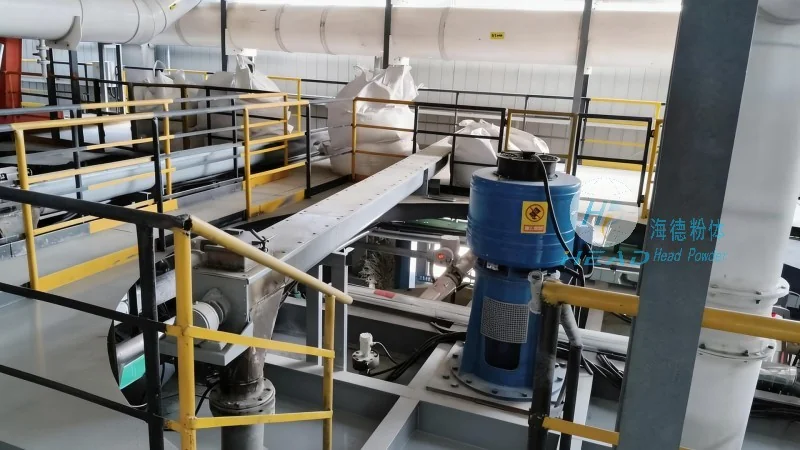
About Shandong HeadPowder Engineering Co., Ltd.
Shandong HeadPowder Engineering Co., Ltd., commonly known as HeadPowder, is a leading manufacturer and supplier of cement dry powder pneumatic conveying equipment. With a strong commitment to quality and innovation, the company has established itself as a trusted partner in the industry. HeadPowder specializes in designing and manufacturing customized solutions tailored to the specific needs of clients, ensuring optimal performance and reliability.
HeadPowder's team of experienced engineers and technicians utilizes advanced technology and rigorous testing procedures to develop high-quality equipment that meets international standards. The company's products are known for their durability, efficiency, and ease of maintenance, making them a preferred choice for businesses seeking reliable material handling solutions.
HeadPowder is headquartered in Shandong, China, and serves clients worldwide. The company's facilities are equipped with state-of-the-art manufacturing equipment and quality control systems, ensuring that every product meets the highest standards of performance and safety. With a focus on customer satisfaction and continuous improvement, HeadPowder remains at the forefront of the pneumatic conveying industry.