

What is a Silica Powder Pneumatic Conveying System Equipment? What are its Design Principles?
Welcome to the world of industrial material handling, where efficient and reliable systems are crucial for transporting fine powders like silica. In this article, we will explore the concept of a silica powder pneumatic conveying system, its essential components, and the underlying design principles that ensure optimal performance. As a leading provider in the field, Shandong HeadPowder Engineering Co., Ltd., commonly known as headpowder, specializes in creating tailored solutions for such applications, with a strong presence in China, particularly in Shandong province.
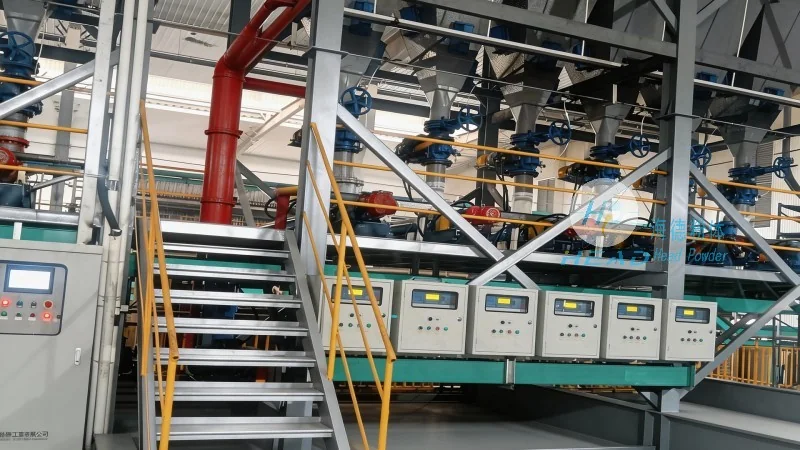
What is a Silica Powder Pneumatic Conveying System?
A silica powder pneumatic conveying system is a method of transporting fine particles, such as silica, through a pipeline using compressed air or other gas. This technology is widely used in various industries, including mining, chemical processing, and food production, due to its ability to handle delicate materials without causing degradation or contamination. The system typically consists of a hopper, a blower or compressor, a pipeline network, and a receiver or discharge point. The process involves feeding the silica powder into the hopper, where it is then drawn into the pipeline by the air flow, moving it from the source to the destination. This method offers several advantages over traditional mechanical conveying, such as reduced maintenance, lower energy consumption, and the ability to handle materials that are difficult to transport by other means.
Key Components of the System
The effectiveness of a silica powder pneumatic conveying system relies on its key components, each playing a vital role in the overall operation. The first component is the hopper, which serves as the storage and feeding unit. It is designed to hold the silica powder and control the flow rate into the system. The hopper may include features like a feeder or a rotary valve to regulate the material discharge. Next, the blower or compressor provides the necessary air pressure to move the powder through the pipeline. This component can be a positive displacement blower or a centrifugal compressor, depending on the system requirements and the characteristics of the silica powder. The pipeline network is the main conduit for transporting the powder, typically made of materials like stainless steel or plastic to prevent corrosion and ensure durability. The pipeline may include bends, elbows, and other fittings to direct the flow and maintain pressure. Finally, the receiver or discharge point is where the silica powder is deposited at the end of the conveying process. This component may include a silo or a storage tank, and it is designed to handle the incoming material without causing spillage or blockage.
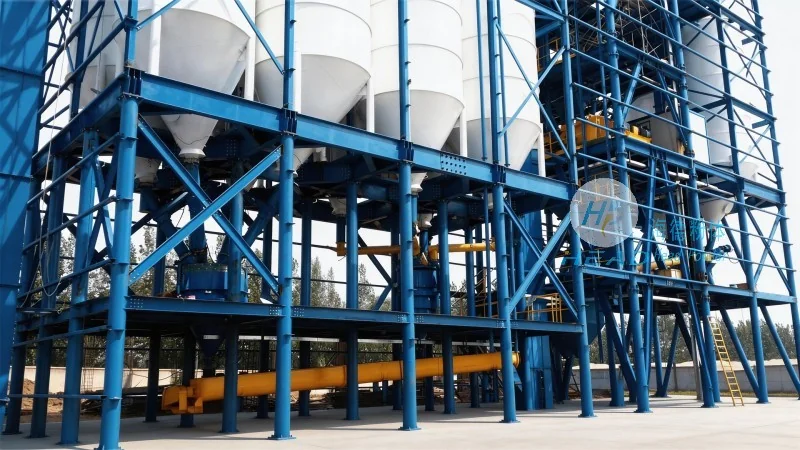
Design Principles for Efficient Silica Powder Conveying
The design of a silica powder pneumatic conveying system follows several key principles to ensure efficiency, reliability, and safety. The first principle is the air-to-material ratio, which refers to the amount of air used per unit of material being conveyed. This ratio is critical because it affects the velocity of the powder in the pipeline and the overall pressure drop. An optimal air-to-material ratio ensures that the powder is transported at a consistent speed without causing excessive pressure loss or particle degradation. The second principle is the pipeline design, which includes considerations such as pipe diameter, length, and layout. The diameter of the pipeline is chosen based on the particle size and flow rate, while the length and layout are designed to minimize pressure drop and avoid bends or obstacles that could cause blockages. The third principle is the system pressure, which is determined by the height of the conveying line and the resistance in the pipeline. Proper pressure management is essential to maintain the flow of the silica powder and prevent system failures. Additionally, the design must consider the material properties of the silica powder, such as its density, moisture content, and flowability. These properties influence the choice of equipment and the overall system configuration to ensure efficient and safe conveying.
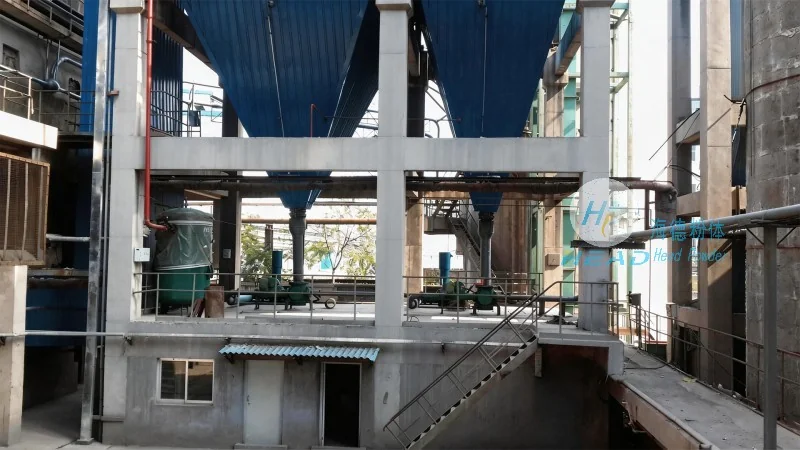
The Role of HeadPowder in Providing Pneumatic Conveying Solutions
Shandong HeadPowder Engineering Co., Ltd. plays a significant role in the development and implementation of silica powder pneumatic conveying systems. As a specialized engineering company based in Shandong, China, headpowder has extensive experience in designing, manufacturing, and installing such systems for various industrial applications. The company's team of experts works closely with clients to understand their specific needs and provide customized solutions that meet their requirements. HeadPowder utilizes advanced technology and materials in the construction of its systems, ensuring high performance, durability, and reliability. The company also offers maintenance and support services to ensure the long-term operation of the systems and minimize downtime. By leveraging its expertise and experience, headpowder helps industries improve their material handling processes, reduce costs, and enhance overall productivity.
Conclusion
In conclusion, a silica powder pneumatic conveying system is an essential technology for efficiently transporting fine powders like silica. The system's design and components are carefully engineered to ensure optimal performance, reliability, and safety. With the expertise of companies like Shandong HeadPowder Engineering Co., Ltd., industries can benefit from advanced pneumatic conveying solutions that meet their specific needs. By understanding the principles and components of such systems, businesses can make informed decisions and improve their material handling processes, ultimately enhancing their overall operational efficiency.