

What is a Gypsum Fly Ash Powder Pneumatic Conveying System Equipment? And What Are Its Design Princi
Gypsum and fly ash are common industrial materials widely used in construction, power generation, and other sectors. The efficient and safe transportation of these powders is crucial for industrial operations. A gypsum fly ash powder pneumatic conveying system equipment is a specialized device designed to handle the transport of these fine powders over long distances or within complex industrial setups. This equipment utilizes air pressure to move the powders through a pipeline network, ensuring a clean, dust-free, and energy-efficient process. Understanding the functionality and design principles of such a system is essential for industries seeking to optimize their material handling processes.
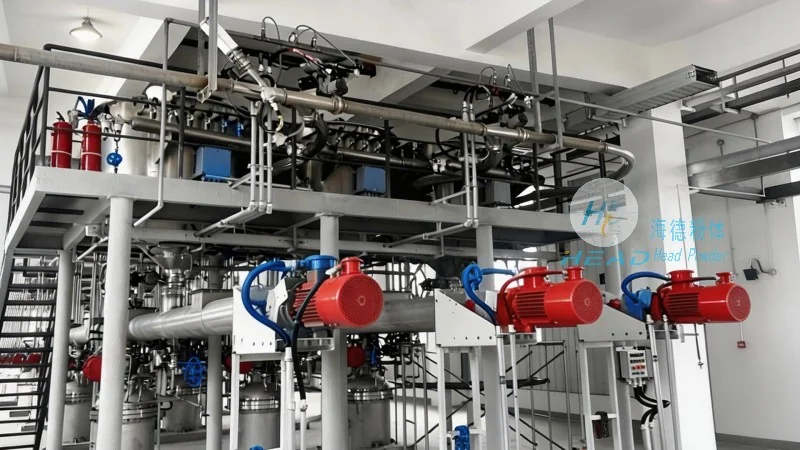
Company Profile: Shandong HeadPowder Engineering Co., Ltd.
Shandong HeadPowder Engineering Co., Ltd. is a leading manufacturer and supplier of industrial material handling equipment, with a strong presence in China. Based in Shandong, the company specializes in designing and producing pneumatic conveying systems tailored to the needs of various industries, including power plants, cement factories, and construction material manufacturers. With years of experience and a commitment to quality, HeadPowder provides reliable solutions for the transportation of gypsum, fly ash, and other fine powders, ensuring high efficiency and minimal environmental impact.
Core Function and Application of the System
The primary function of a gypsum fly ash powder pneumatic conveying system is to transport dry powders, such as gypsum and fly ash, from a source point to a destination point. This system is particularly useful in applications where traditional conveyor belts or bucket elevators may not be suitable due to the nature of the material or the layout of the facility. For instance, in power plants, fly ash generated from coal combustion needs to be transported from the boiler to storage silos or disposal sites. Similarly, in cement production, gypsum is used as a set retarder and must be conveyed to the grinding mills or storage areas. The pneumatic conveying system offers a flexible and efficient solution for these tasks, allowing for the movement of powders over horizontal, vertical, or inclined distances without the need for complex machinery.
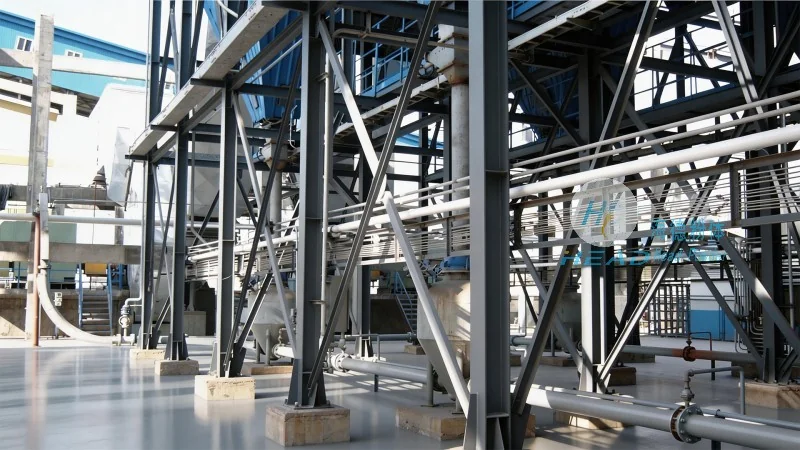
Design Principles of the Pneumatic Conveying System
The design of a gypsum fly ash powder pneumatic conveying system is based on the principles of fluidization and air flow. The system typically consists of a blower or compressor that generates a high-pressure air stream, which is then introduced into the conveying pipeline. The powders are fed into the pipeline at the inlet, where they are suspended and carried by the air flow. The design must consider several factors to ensure optimal performance, including the particle size and density of the material, the required conveying distance, and the desired flow rate. The system may be designed as a positive pressure system, where air is forced through the pipeline, or a negative pressure system, where air is drawn from the pipeline. The choice of system depends on the specific application and the characteristics of the material being transported.
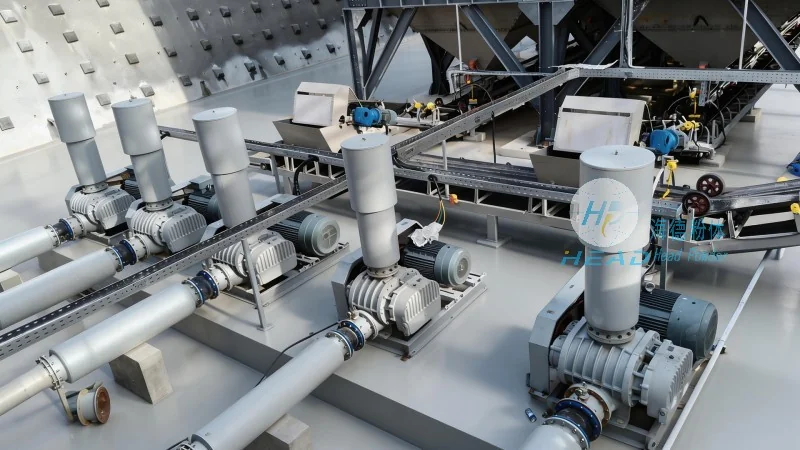
Key Components and Working Mechanism
The key components of a gypsum fly ash powder pneumatic conveying system include a feeding device, a blower or compressor, a conveying pipeline, a control system, and a discharge device. The feeding device, such as a rotary valve or a screw feeder, ensures a consistent and controlled feed of the powders into the pipeline. The blower or compressor provides the necessary air pressure to move the powders through the pipeline. The conveying pipeline is typically made of stainless steel or other corrosion-resistant materials to handle the abrasive nature of the powders. The control system monitors the pressure, flow rate, and other parameters to ensure smooth operation. The discharge device, such as a rotary valve or a gate valve, regulates the release of the powders at the destination point. The working mechanism involves the air flow creating a low-pressure zone in the pipeline, which draws the powders into the air stream and transports them to the discharge point.
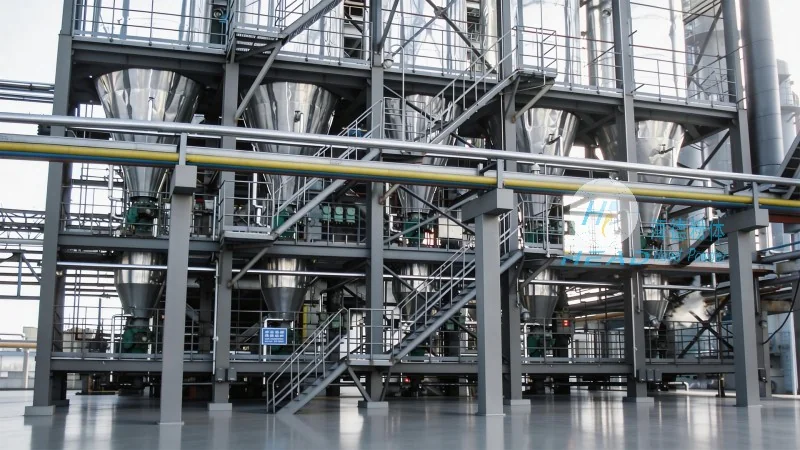
Advantages and Benefits of the Equipment
Using a gypsum fly ash powder pneumatic conveying system offers several advantages over traditional material handling methods. First, it provides a dust-free and clean operation, reducing the risk of contamination and improving workplace safety. Second, the system is flexible and can be easily integrated into existing industrial setups, allowing for the transport of powders over long distances or within complex layouts. Third, it is energy-efficient, as the air flow is used to move the powders rather than mechanical components, reducing energy consumption and operational costs. Fourth, the system is low-maintenance, as there are fewer moving parts compared to traditional conveyors, resulting in lower maintenance costs and longer equipment lifespan. These advantages make the pneumatic conveying system an ideal choice for industries dealing with gypsum and fly ash powders.
Technical Specifications and Customization Options
Shandong HeadPowder Engineering Co., Ltd. offers a range of technical specifications and customization options for its gypsum fly ash powder pneumatic conveying systems. The systems can be designed to handle different particle sizes and densities, with flow rates ranging from a few kilograms per hour to several tons per hour. The conveying distance can be customized to meet the specific needs of the application, with some systems capable of transporting powders over distances of several kilometers. The company also provides options for different materials of construction, such as stainless steel, carbon steel, or plastic, to suit the specific requirements of the industry. Additionally, the systems can be equipped with advanced control systems, including sensors and automation, to enhance performance and reduce operational risks. By offering these customization options, HeadPowder ensures that its systems are tailored to the unique needs of each customer, providing the most efficient and effective solution for their material handling requirements.