

What is Gypsum Powder Conveying Equipment? And What Are Its Design Principles?
Gypsum powder, a widely used industrial material, requires efficient and reliable handling systems to ensure smooth production processes. The gypsum powder conveying equipment, developed by Shandong HeadPowder Engineering Co., Ltd., is a specialized solution designed to address the unique challenges of transporting this fine powder. This equipment plays a crucial role in various industries, including construction, pharmaceuticals, and food processing, where precise and consistent powder handling is essential. The equipment is engineered to maintain the integrity of the gypsum powder, preventing agglomeration, caking, or degradation during transport, which is critical for maintaining product quality and reducing waste.
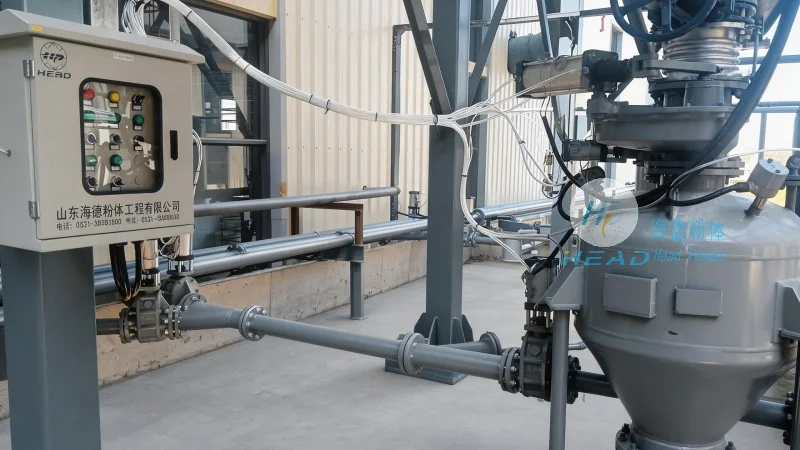
Key Features of the Gypsum Powder Conveying Equipment
The gypsum powder conveying equipment from HeadPowder is engineered with several key features that enhance its performance and reliability. One of the primary advantages is its ability to handle fine, dusty powders without clogging or loss of material. The system incorporates advanced materials and construction techniques to prevent material buildup and ensure consistent flow rates. For instance, the use of stainless steel or corrosion-resistant alloys in the hopper and conveyor components minimizes the risk of material adhesion and corrosion. Additionally, the equipment is designed for easy maintenance, with accessible components that allow for quick inspections and repairs. This ensures minimal downtime and maximizes operational efficiency, as technicians can address issues promptly without extensive disassembly.
Design Principles Behind the Gypsum Powder Conveying Equipment
The design of the gypsum powder conveying equipment is based on several fundamental principles that optimize its performance. The system utilizes a combination of positive displacement and pneumatic conveying methods to ensure efficient material transport. Positive displacement pumps, such as rotary lobe or piston pumps, are commonly used to maintain consistent pressure and flow, preventing material degradation and ensuring uniform particle size distribution. These pumps are particularly effective for high-viscosity or abrasive powders, as they can handle the material without causing excessive wear. Pneumatic conveying systems, on the other hand, use compressed air to move the powder through pipelines, offering flexibility in layout and reduced maintenance requirements. The integration of these two methods allows for a balanced approach that addresses both high and low flow rate applications, making the equipment versatile for various industrial needs.
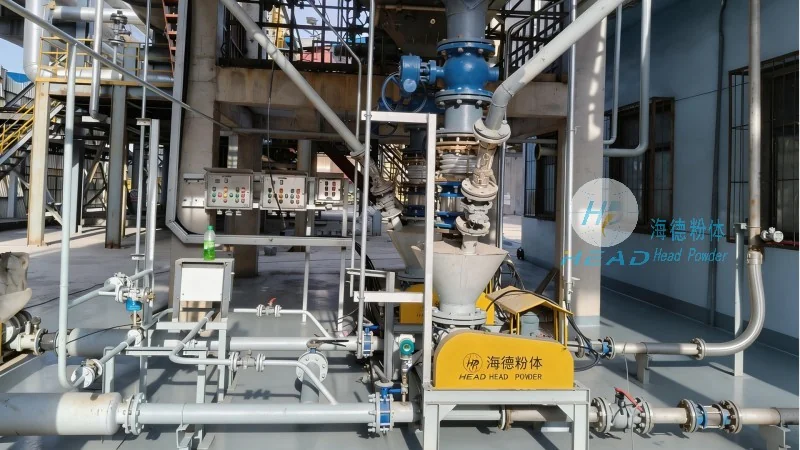
Components and Operational Mechanisms
The gypsum powder conveying equipment consists of several critical components that work in tandem to achieve effective material handling. The feed hopper is designed to store and feed the gypsum powder into the conveying system, with a discharge valve that controls the flow rate. The hopper is typically equipped with a vibration or agitator system to prevent material bridging and ensure a steady feed. The conveyor itself, which can be a screw conveyor or a pneumatic line, transports the powder from the hopper to the destination. Screw conveyors are ideal for horizontal or slight incline transport, while pneumatic lines are suitable for longer distances or vertical transport. The control system, which includes sensors and a programmable logic controller (PLC), monitors the flow rate, pressure, and temperature, ensuring optimal operation. This system allows for real-time adjustments to maintain consistent performance and prevent overloading or underflow, enhancing the overall reliability of the equipment.
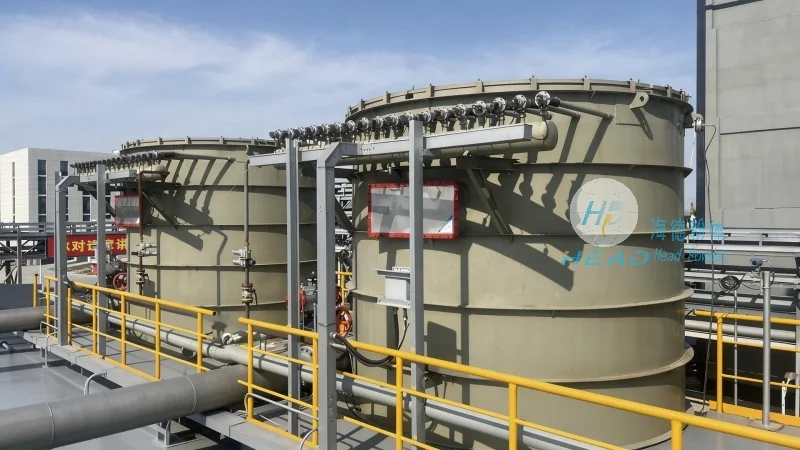
Applications and Benefits in Industrial Settings
The gypsum powder conveying equipment is widely used in industrial applications where the handling of fine powders is critical. In the construction industry, it is used to transport gypsum for wallboard production, ensuring consistent quality and reducing waste. The equipment helps maintain the uniformity of the gypsum powder, which is essential for producing high-quality wallboard with consistent strength and appearance. In pharmaceutical manufacturing, the equipment assists in handling raw materials, such as calcium sulfate, ensuring their purity and preventing contamination. This is crucial for meeting regulatory standards and maintaining product safety. The benefits of using this equipment include improved product quality, reduced labor costs, and enhanced safety by minimizing dust exposure. Additionally, the equipment's energy-efficient design contributes to lower operational costs and a smaller environmental footprint, making it a sustainable choice for industrial operations.
Maintenance and Longevity of the Equipment
Proper maintenance is essential to ensure the long-term performance and reliability of the gypsum powder conveying equipment. Regular inspections of the conveyor components, such as the screw or pneumatic lines, are necessary to detect any signs of wear or damage. For example, checking the wear on the screw flights or the condition of the pneumatic hoses can help identify potential issues before they cause significant problems. Cleaning the system periodically, especially after handling different materials, helps prevent cross-contamination and maintain efficiency. The use of high-quality materials, such as stainless steel or corrosion-resistant alloys, extends the equipment's lifespan and reduces the need for frequent replacements. By following the manufacturer's recommended maintenance schedule, users can maximize the equipment's operational life and minimize downtime. This proactive approach not only improves the equipment's performance but also reduces long-term costs associated with repairs and replacements.