

What is a Synthetic Fiber Material Handling System? What are its Design Principles?
When it comes to industrial material handling, synthetic fiber material handling systems represent a critical component in modern manufacturing processes. These systems are engineered to efficiently transport and manage synthetic fibers, which are widely used in various industries such as textiles, composites, and filtration. Understanding the design principles behind these systems is essential for optimizing operational efficiency and ensuring product quality. This article explores the fundamental aspects of synthetic fiber material handling systems, focusing on their design considerations and practical applications.

What Are Synthetic Fiber Material Handling Systems?
Synthetic fiber material handling systems are specialized equipment and processes designed to handle, transport, and store synthetic fibers. These fibers, including polyester, nylon, acrylic, and others, are often used in applications ranging from textile production to industrial filtration. The systems typically involve a combination of mechanical components, such as conveyors, feeders, and storage units, along with control systems to manage the flow of materials. The primary goal of these systems is to ensure that synthetic fibers are handled gently to maintain their integrity, as these materials can be delicate and prone to damage if not managed properly.
Key Design Principles for Efficient Material Handling
The design of synthetic fiber material handling systems is guided by several key principles aimed at maximizing efficiency, minimizing material loss, and ensuring safety. One of the most critical principles is the gentle handling of fibers to prevent breakage or contamination. This is achieved through the use of specialized equipment like belt conveyors with soft, non-abrasive surfaces, and air-powered feeders that minimize friction. Another important principle is the control of airflow and dust, as synthetic fibers can generate significant dust during handling, which poses health and safety risks. Effective dust collection systems and enclosed conveyor designs are integral to maintaining a clean and safe working environment.
Components and Technologies in Synthetic Fiber Handling Systems
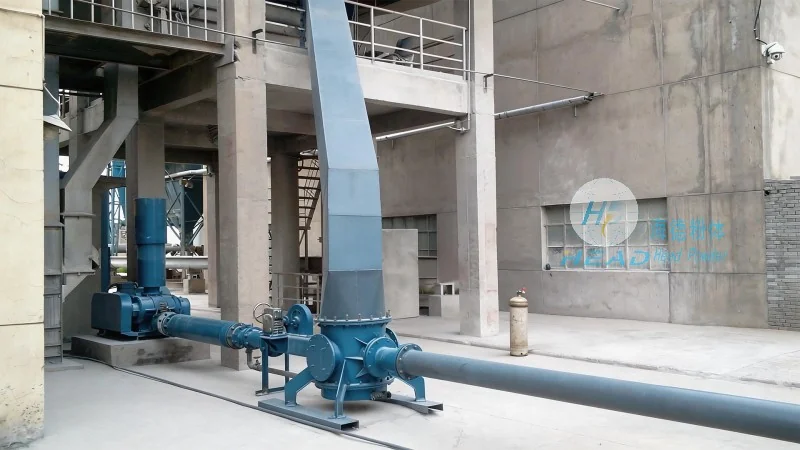
Synthetic fiber material handling systems typically consist of several key components, each playing a vital role in the overall operation. The primary components include: Conveyors, which transport fibers from one point to another; Feeders, which regulate the flow of material into processing equipment; Storage Hoppers, which hold large quantities of fibers for steady supply; and Dust Control Systems, which manage airborne particles. Advanced technologies, such as automated sorting systems and sensor-based monitoring, are increasingly integrated into these systems to enhance precision and reduce human error. For instance, optical sensors can detect fiber quality and sort different types of fibers automatically, improving product consistency.
Applications and Industries Utilizing Synthetic Fiber Handling Systems
Synthetic fiber material handling systems are widely used across multiple industries. In the textile industry, these systems are essential for processing raw fibers into yarns and fabrics. The systems ensure that fibers are fed uniformly into spinning machines, which is crucial for maintaining consistent thread quality. In the composite manufacturing industry, synthetic fibers are used to reinforce materials like plastics and metals. The handling systems ensure that fibers are aligned correctly and fed into molding processes without damage. Additionally, in the filtration industry, synthetic fibers are used to produce high-efficiency filters. The systems maintain the integrity of the fibers during the manufacturing process, which is vital for achieving the desired filtration performance.
Case Study: Shandong HeadPowder Engineering Co., Ltd.
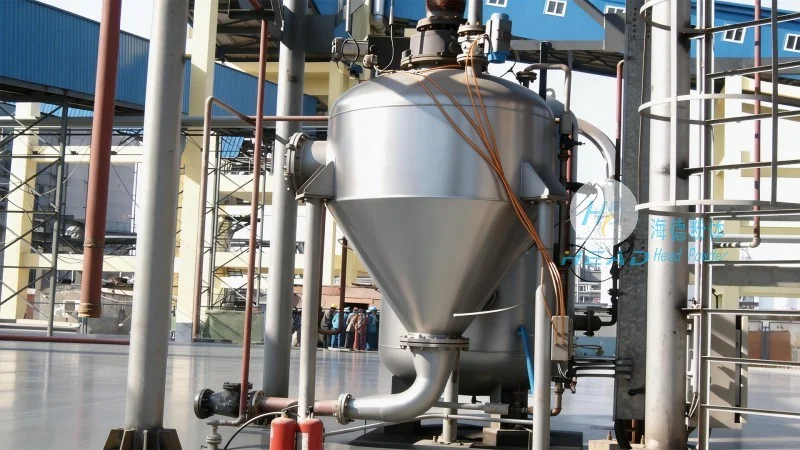
Shandong HeadPowder Engineering Co., Ltd., a leading provider of material handling solutions, specializes in designing and manufacturing synthetic fiber material handling systems tailored to the specific needs of their clients. With operations based in Shandong, China, the company leverages decades of experience in the industry to deliver customized solutions that enhance operational efficiency and product quality. Their systems are engineered to handle a wide range of synthetic fibers, from fine polyester to robust nylon, ensuring that each application is optimized for performance. The company's commitment to innovation and customer satisfaction has made them a trusted partner in the material handling sector.
Conclusion: The Importance of Well-Designed Synthetic Fiber Handling Systems
In conclusion, synthetic fiber material handling systems are indispensable in modern industrial applications. Their design principles, which prioritize gentle handling, dust control, and efficient material flow, are crucial for maintaining product quality and operational efficiency. As industries continue to rely on synthetic fibers for their unique properties, the importance of well-designed handling systems will only grow. Companies like Shandong HeadPowder Engineering Co., Ltd. play a vital role in providing advanced solutions that meet the evolving needs of the market, ensuring that synthetic fibers are handled effectively and safely throughout the manufacturing process.