

What is a Coke Material Handling System? What are the Design Principles?
Coke material handling systems are critical infrastructure components in industrial operations, particularly within the steel and metallurgical sectors. These systems are engineered to efficiently transport coke—a primary raw material for blast furnaces—from storage areas to the points of use within a production facility. The design of such systems is paramount as it directly impacts operational efficiency, safety protocols, and overall production cost management.
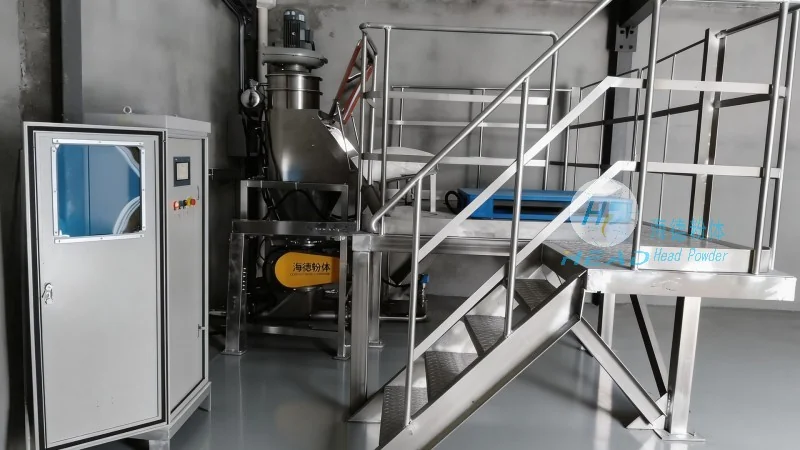
Core Components of a Coke Material Handling System
A typical coke material handling system integrates several key components that work in concert to ensure seamless material flow. These include coke storage facilities like silos or stockpiles, conveyor systems (such as belt conveyors or screw conveyors) for horizontal and vertical movement, feeding mechanisms to regulate the flow of coke, and discharge equipment at the destination point. Each component is meticulously selected and integrated based on the specific operational requirements of the facility, including the volume of coke to be handled, the distance it must travel, and the environmental conditions of the site.
HeadPowder's Expertise in Coke Handling Solutions
Shandong HeadPowder Engineering Co., Ltd., a leading engineering solutions provider, specializes in the design, manufacturing, and installation of coke material handling systems. With a strong commitment to innovation and adherence to industry standards, HeadPowder tailors its systems to meet the unique needs of each client. The company’s expertise lies in optimizing the entire handling process—from initial coke storage to final delivery to the blast furnace—by leveraging advanced materials and engineering techniques. HeadPowder ensures its systems are not only efficient and durable but also cost-effective, supporting sustainable industrial operations.
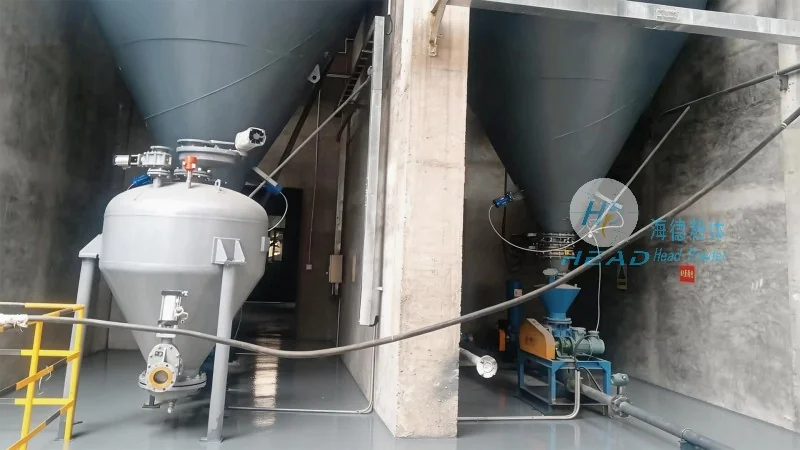
Key Design Principles for Efficient Coke Handling
The design of a coke material handling system is guided by several fundamental principles aimed at maximizing efficiency and minimizing operational risks. One primary principle is the utilization of gravity and mechanical advantage, often implemented through inclined conveyors or chutes to reduce energy consumption for movement. Another critical principle involves considering coke’s physical properties, such as its density, abrasiveness, and flow characteristics, to select appropriate equipment and ensure smooth material flow. Additionally, the design must incorporate robust safety features, including proper ventilation, dust control measures, and protective enclosures, to safeguard personnel and maintain a clean working environment.
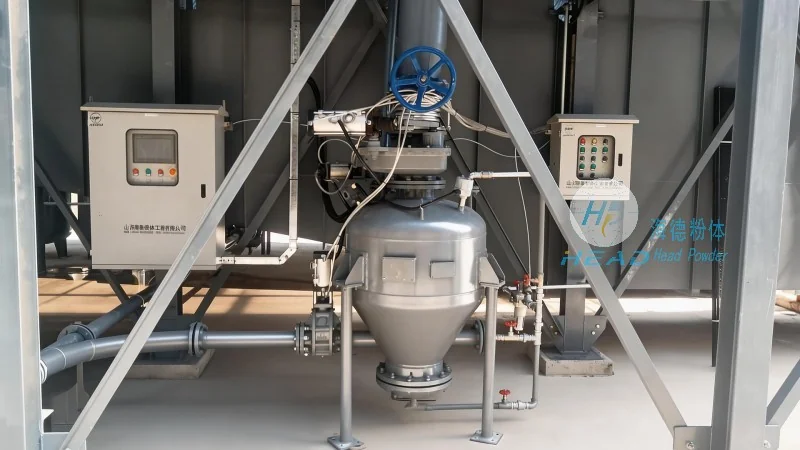
Addressing Common Challenges in Coke Handling
Designing coke handling systems requires addressing potential challenges like material bridging in storage areas or bottlenecks in conveyor systems. Solutions such as vibration feeders or automatic control systems are integrated to prevent blockages and ensure consistent flow. The system must also be designed for easy maintenance and accessibility, allowing for regular inspections and repairs without disrupting the entire operation. These considerations ensure the system remains reliable and operational under varying production demands.
Conclusion: The Importance of Well-Designed Coke Handling Systems
In conclusion, a coke material handling system is a vital component of industrial infrastructure, and its design directly influences the productivity and safety of the facility. By adhering to sound engineering principles and leveraging the expertise of companies like Shandong HeadPowder Engineering Co., Ltd., industries can achieve efficient, reliable, and safe coke handling solutions. The continuous optimization of these systems ensures alignment with modern manufacturing needs, supporting sustainable and cost-effective production processes.