

What is Oat Flour Pneumatic Conveying? And What Are Its Design Principles?
Understanding the fundamentals of oat flour pneumatic conveying is crucial for industries dealing with bulk powder handling. This technology involves transporting dry materials like oat flour through a pipeline using air or gas as the conveying medium. The process is efficient, often offering advantages over traditional mechanical conveying methods, such as reduced equipment wear and the ability to handle materials in a closed system, minimizing dust exposure and contamination risks.
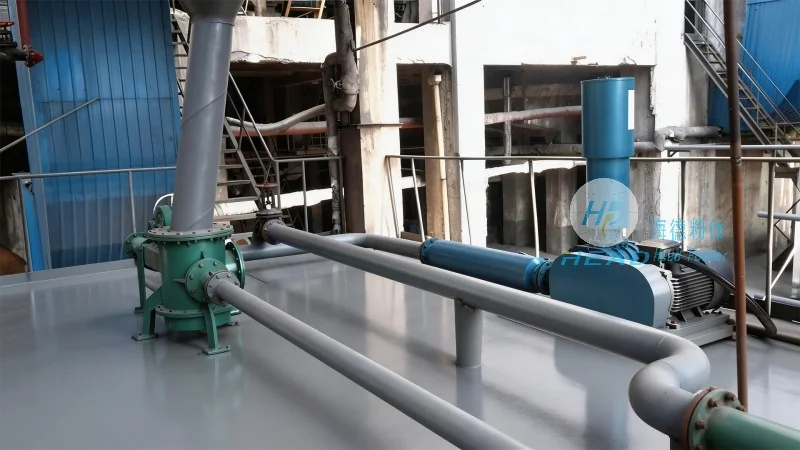
Introduction to Oat Flour Pneumatic Conveying
Oat flour, a popular ingredient in food production, requires reliable and efficient handling from processing to packaging. Pneumatic conveying systems provide a solution that ensures the safe and effective transport of this fine powder. Unlike mechanical systems that rely on screws or belts, pneumatic conveying uses air pressure to move the material, making it ideal for materials that are prone to clumping or are sensitive to moisture and contamination.
Design Principles of Pneumatic Conveying Systems
The design of a pneumatic conveying system for oat flour involves several key components and principles. The system typically consists of a material feed hopper, a conveying line, a separator or filter to remove excess air, and a discharge point. The choice between positive pressure and negative pressure systems depends on the specific application and material characteristics. For oat flour, which is relatively light and fine, a positive pressure system is often preferred as it can handle longer distances and multiple transfer points with less pressure drop.
Key design considerations include the air velocity, which must be sufficient to keep the material suspended but not so high as to cause excessive wear on the system components. The pipeline diameter and length are also critical factors, as they directly impact the system's efficiency and energy consumption. Proper sizing of the air compressor and filter system ensures consistent performance and maintains the quality of the oat flour by preventing contamination from the conveying air.
Components and Functionality in Oat Flour Pneumatic Conveying
At the core of any pneumatic conveying system are the components that work together to transport the oat flour. The feed hopper is designed to hold the bulk material and control the flow rate into the system. It often includes a rotary valve or feeder to regulate the material discharge, preventing clogging and ensuring a steady stream. The conveying line, usually made of stainless steel to resist corrosion and maintain hygiene, carries the oat flour and air mixture. The air is introduced at the inlet of the line, creating a flow that lifts and moves the powder through the pipeline.
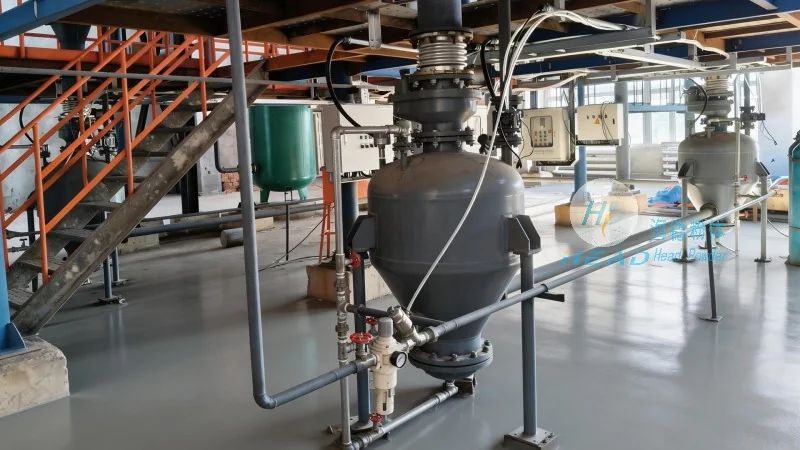
The separator or filter is a critical component that removes the air from the material stream before the oat flour is discharged. This step is essential for maintaining the purity of the product and preventing dust from being released into the environment. The separator may use cyclonic action or bag filters, depending on the system design and the required level of filtration. The discharge point is where the oat flour is collected, often into a storage bin or packaging machine, ensuring a smooth transition to the next stage of the production process.
Advantages of Pneumatic Conveying for Oat Flour Handling
Implementing a pneumatic conveying system for oat flour offers several advantages over traditional methods. One of the primary benefits is the ability to handle the material in a closed system, which significantly reduces dust generation and contamination risks. This is particularly important for food-grade products like oat flour, where hygiene and product safety are paramount. Additionally, pneumatic conveying systems can handle materials with varying particle sizes and moisture content, making them versatile for different applications.
Another advantage is the reduced maintenance and equipment wear compared to mechanical systems. Since there are no moving parts in direct contact with the oat flour, the risk of material buildup and wear is minimized. This leads to lower operational costs and longer system lifespans. Furthermore, pneumatic conveying allows for flexible system layouts, enabling the integration of multiple transfer points and storage locations without the need for extensive reconfiguration.
Application Examples in Oat Flour Processing
Pneumatic conveying systems are widely used in the processing of oat flour, from raw material handling to final product packaging. In a typical oat flour production facility, the system may start with the raw oats being received and stored in a silo. The oats are then ground into flour using a mill, and the resulting oat flour is transferred to a storage silo via a pneumatic conveying system. This allows for efficient movement of the bulk material from the mill to the storage area, minimizing downtime and ensuring a continuous supply of raw material for the production line.
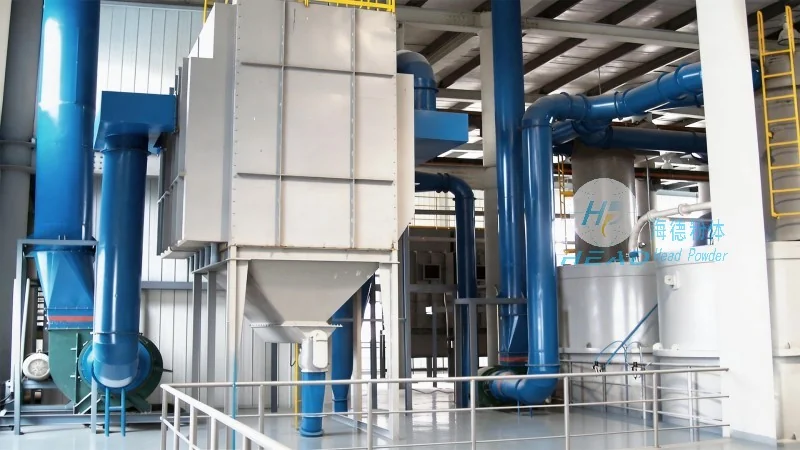
During the packaging stage, the oat flour is conveyed from the storage silo to the packaging machine. The pneumatic system ensures that the flour is delivered in a controlled manner, preventing overfilling or underfilling of the packaging containers. This precision is crucial for maintaining product consistency and meeting quality standards. The closed system also helps in maintaining the product's freshness and preventing exposure to external contaminants, which is essential for maintaining the nutritional value and quality of the oat flour.
Considerations for System Design and Installation
When designing a pneumatic conveying system for oat flour, several factors must be considered to ensure optimal performance and efficiency. The first step is to assess the material characteristics, including particle size, density, and moisture content. These properties will determine the appropriate air velocity and system pressure required for effective conveying. The system layout must also be carefully planned, taking into account the distance between the feed and discharge points, as well as any intermediate transfer points or storage locations.
Material handling and system integration are also critical considerations. The system must be compatible with existing equipment in the production facility, such as mills, storage silos, and packaging machines. This requires careful coordination with the facility's layout and operational requirements. Additionally, the system must be designed to meet regulatory standards for food processing, including hygiene, safety, and environmental compliance. This may involve using stainless steel components, proper sealing, and filtration systems to ensure that the oat flour remains free from contaminants throughout the conveying process.
Conclusion
Pneumatic conveying is a highly effective and efficient method for handling oat flour, offering numerous advantages over traditional mechanical systems. By understanding the design principles and components of such a system, manufacturers can ensure the safe, clean, and reliable transport of this valuable ingredient. The technology not only improves operational efficiency but also enhances product quality and safety, making it an essential component in modern oat flour processing facilities.