

What is Casting Gray Powder Pneumatic Conveying? What Are the Design Principles?
For industrial applications involving the handling of casting gray powder, pneumatic conveying systems offer an efficient and effective solution. This technology enables the transport of bulk materials through a pressurized or vacuum environment, eliminating the need for traditional mechanical conveying methods like belts or buckets. Understanding the fundamentals of casting gray powder pneumatic conveying, along with its design principles, is crucial for optimizing material handling processes in manufacturing settings.
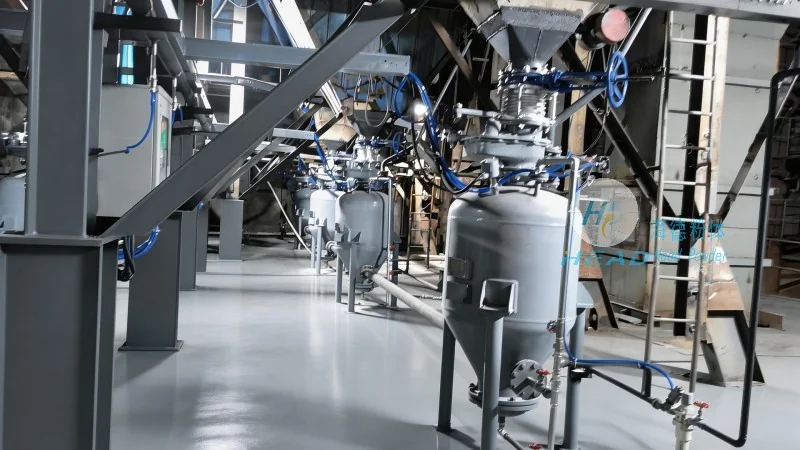
Introduction to Casting Gray Powder Pneumatic Conveying
Casting gray powder, typically a byproduct of metal casting processes, consists of fine particulate materials that require specialized handling due to their size, density, and potential for dust generation. Pneumatic conveying systems are widely used in industries such as foundries, where the efficient transport of these powders is essential for downstream processes like mixing, blending, or reclamation. The core concept of pneumatic conveying involves using air or gas to move the powder through a pipeline, leveraging pressure differentials or vacuum to achieve material transport. This method not only reduces the risk of dust exposure and contamination but also improves operational safety and environmental compliance.
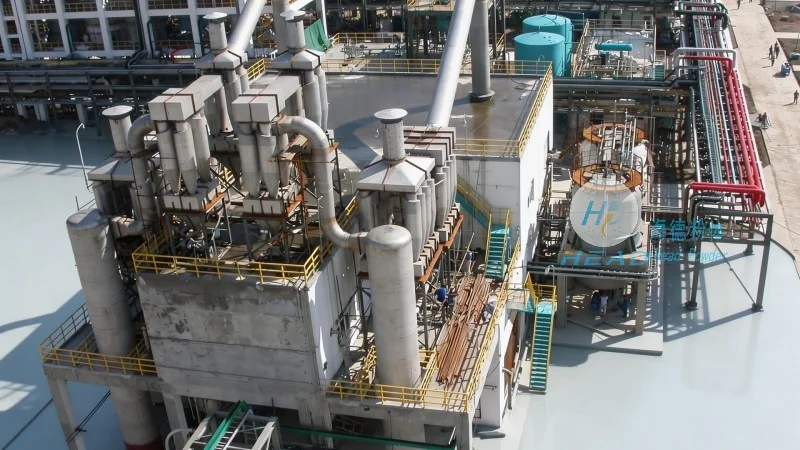
Key Components of a Pneumatic Conveying System
A typical pneumatic conveying system for casting gray powder includes several critical components that work in tandem to ensure reliable operation. The primary components are the material feed hopper, which stores and feeds the powder into the system; the conveying line, which transports the material from the feed point to the discharge point; the air supply unit, which provides the necessary pressure or vacuum; and the control system, which regulates the flow of air and material. Additionally, auxiliary components such as filters, cyclones, and dust collectors are often integrated to manage dust and ensure clean operation. Each component plays a vital role in maintaining the efficiency and effectiveness of the overall system.
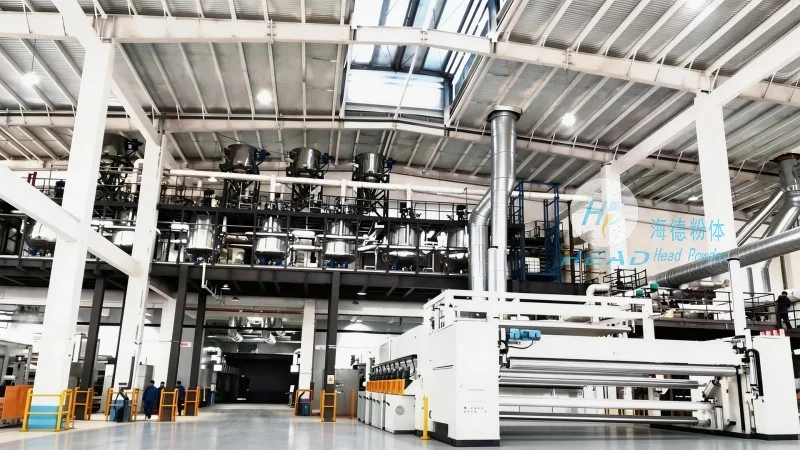
Design Principles for Casting Gray Powder Pneumatic Conveying
The design of a pneumatic conveying system for casting gray powder must consider several key principles to ensure optimal performance and longevity. First, the system must be designed to handle the specific characteristics of the powder, including its particle size distribution, density, and moisture content. These factors influence the air velocity required for effective transport and the pressure drop across the system. Second, the system layout must be optimized to minimize pressure losses and energy consumption. This involves selecting appropriate pipe diameters, bends, and fittings that reduce friction and turbulence. Third, the system must incorporate safety features to prevent dust explosions and ensure operator safety. This includes explosion-proof designs, pressure relief valves, and proper grounding. Finally, the design must account for maintenance and operational flexibility, allowing for easy cleaning, inspection, and adjustment of system parameters.
Working Principle of Pneumatic Conveying
The operation of a pneumatic conveying system for casting gray powder typically involves either pressure or vacuum conveying. In pressure conveying, compressed air is introduced at the feed point, creating a positive pressure that pushes the powder through the pipeline. The air velocity must be sufficient to keep the powder suspended and prevent settling. In vacuum conveying, a vacuum is created at the discharge end, drawing the powder from the feed point through the pipeline. Both methods rely on the principle of fluidization, where the powder particles are suspended in the air stream, allowing for smooth transport. The choice between pressure and vacuum conveying depends on factors such as the distance to be covered, the material's properties, and the system's overall layout.
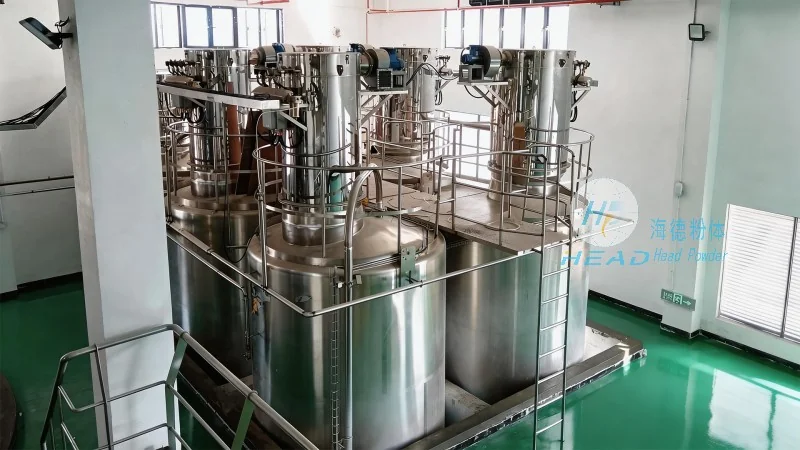
Applications and Benefits of Casting Gray Powder Pneumatic Conveying
Casting gray powder pneumatic conveying is widely used in various industrial applications, including foundry operations, where the material is transported for reclamation, recycling, or further processing. The benefits of this technology include improved material handling efficiency, reduced labor costs, and enhanced safety by minimizing manual handling of powders. Additionally, pneumatic conveying systems can handle materials with high moisture content or abrasive properties, which may be difficult to transport using traditional methods. The ability to transport materials over long distances without the need for intermediate storage or transfer points also contributes to operational efficiency. Furthermore, the system's compact design and low maintenance requirements make it a cost-effective solution for many industrial settings.