

What is the Oxide Copper Material Pneumatic Conveying Equipment? What is its Design Principle?
When it comes to handling oxide copper materials in industrial settings, the choice of equipment plays a crucial role in efficiency and safety. Pneumatic conveying systems have emerged as a preferred solution for transporting these materials due to their ability to handle fine powders and granules with minimal dust and contamination. This article delves into the specifics of oxide copper material pneumatic conveying equipment, exploring its design principles and operational benefits.
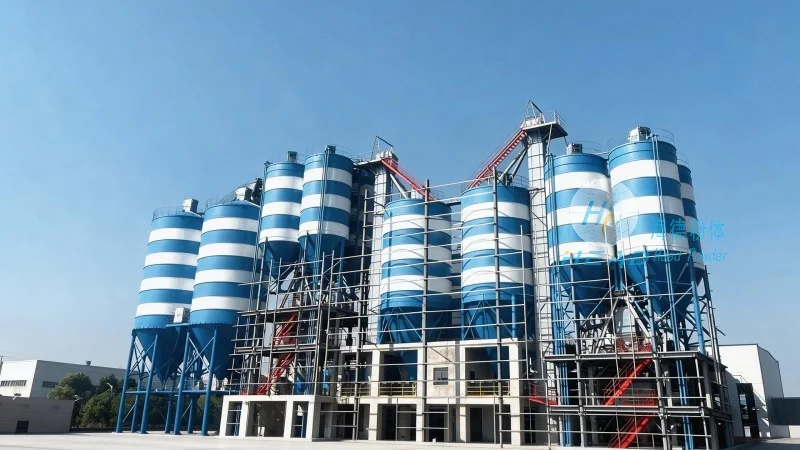
Understanding Oxide Copper Materials and Their Handling Challenges
Oxide copper, often derived from copper ore processing, is a critical raw material in various industries such as metallurgy, electronics, and chemical manufacturing. These materials typically exist as fine powders or granules, which pose unique challenges during transportation. Traditional methods like belt conveyors or bucket elevators may lead to material degradation, increased dust emissions, and operational inefficiencies. Pneumatic conveying offers a more controlled and hygienic approach, making it ideal for oxide copper handling.
Design Principles of Pneumatic Conveying Systems for Oxide Copper
The design of pneumatic conveying equipment for oxide copper materials is centered on several key principles to ensure optimal performance. First, the system must be capable of generating sufficient air pressure to move the material through the pipeline. This often involves using positive pressure systems, where air is forced through the material, or negative pressure systems, where air is drawn away from the material. For oxide copper, positive pressure systems are commonly preferred as they provide better control over material flow and reduce the risk of clogging.
Second, the material's physical properties, such as particle size, density, and moisture content, are critical factors in system design. Oxide copper particles are often fine and can agglomerate, which may affect the conveying velocity and pressure drop. Engineers must consider these factors when selecting the appropriate air velocity and pipeline diameter to prevent particle deposition and ensure smooth material transport.

Third, the system's components, including the feeder, pipeline, and receiver, are designed to minimize material degradation and contamination. The feeder, typically a rotary valve or a pressure feeder, ensures a consistent material flow into the pipeline. The pipeline itself is usually made of materials resistant to corrosion and abrasion, such as stainless steel or special alloys, to withstand the chemical and mechanical stresses of oxide copper. The receiver, where the material is deposited, is equipped with dust collection systems to maintain a clean and safe environment.
Key Components of Oxide Copper Pneumatic Conveying Equipment
At the core of any pneumatic conveying system are several essential components that work in tandem to achieve efficient material transport. The first component is the air compressor or blower, which generates the necessary air pressure to move the material. For oxide copper applications, high-efficiency, low-noise compressors are often used to minimize energy consumption and noise pollution.
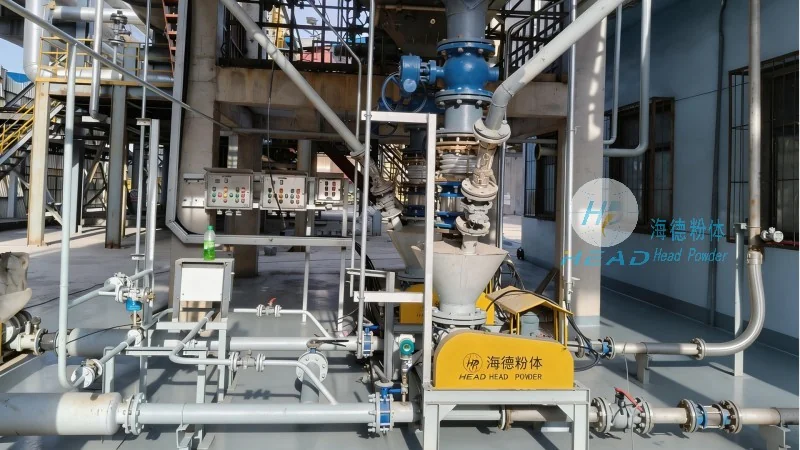
The second component is the feeder, which introduces the oxide copper material into the pipeline. Rotary valves are commonly used as feeders due to their ability to provide a controlled, continuous flow of material. These valves are designed to handle fine powders without clogging, ensuring a stable material feed rate. In some cases, pressure feeders may be used for more viscous or agglomerated materials, but for oxide copper, rotary valves are typically sufficient.
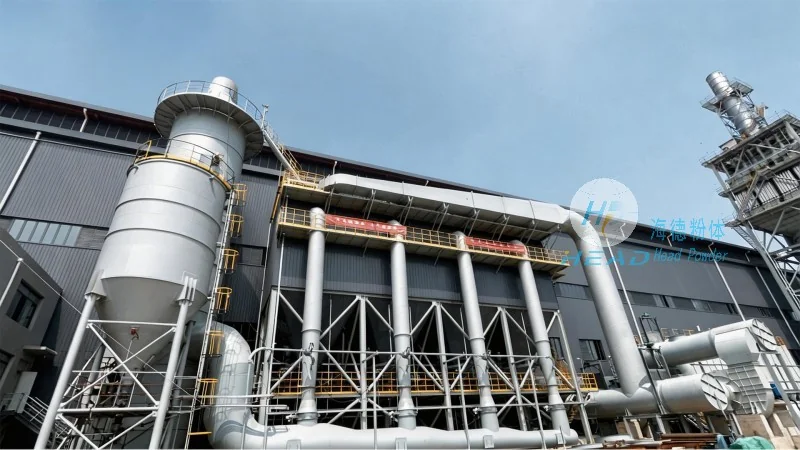
The third component is the pipeline network, which consists of straight sections, bends, and fittings. The diameter and length of the pipeline are carefully calculated based on the material's properties and the required conveying velocity. The pipeline is usually equipped with pressure sensors and flow meters to monitor the system's performance and detect any issues such as blockages or pressure drops.
The fourth component is the receiver, where the oxide copper material is collected. The receiver is designed to prevent dust emissions and ensure safe material discharge. It often includes a dust collection system, such as a cyclone or a baghouse, to capture any fine particles that may escape during the conveying process. The receiver may also be equipped with a discharge valve to control the material flow out of the system.
Operational Benefits and Considerations for Oxide Copper Handling
Implementing a pneumatic conveying system for oxide copper materials offers several operational benefits. First, it reduces material loss and contamination compared to traditional methods, as the material is contained within the pipeline throughout the conveying process. This is particularly important for oxide copper, which is often used in high-purity applications such as electronics manufacturing.
Second, the system provides better control over material flow, allowing for precise dosing and feeding rates. This is crucial in processes where the exact amount of oxide copper is required, such as in chemical reactions or metallurgical processes.
Third, pneumatic conveying systems are more energy-efficient than other methods, as they use less power to transport the material over long distances. This leads to lower operational costs and reduced environmental impact.
However, there are also considerations to keep in mind when using pneumatic conveying for oxide copper. The system must be designed to handle the material's specific properties, such as its tendency to agglomerate or its high abrasiveness. Regular maintenance is also essential to prevent clogging and ensure the system's longevity. Additionally, the system should be equipped with safety features, such as pressure relief valves and dust collection systems, to protect operators and the environment.
Conclusion and Company Overview
Oxide copper material pneumatic conveying equipment is a sophisticated solution for handling fine copper materials in industrial applications. By understanding the design principles and key components of these systems, industries can achieve efficient, safe, and cost-effective material transport. Shandong HeadPowder Engineering Co., Ltd., a leading manufacturer in the field, specializes in designing and manufacturing high-quality pneumatic conveying systems tailored to the specific needs of oxide copper handling. With years of experience and a commitment to innovation, HeadPowder provides reliable solutions that enhance operational efficiency and product quality. Based in Shandong, China, the company leverages advanced engineering and manufacturing capabilities to deliver systems that meet the highest standards of performance and durability.