

What is a Borax Material Pneumatic Conveyor? And What Are Its Design Principles?
When it comes to transporting borax materials efficiently and safely, the borax material pneumatic conveyor has emerged as a critical solution in industrial applications. This equipment is specifically designed to handle the unique characteristics of borax, such as its fine particle size and hygroscopic nature, ensuring reliable and low-maintenance operation. In this article, we will explore what a borax material pneumatic conveyor is and delve into its core design principles that make it an effective choice for various industrial processes.
Understanding the Borax Material Pneumatic Conveyor
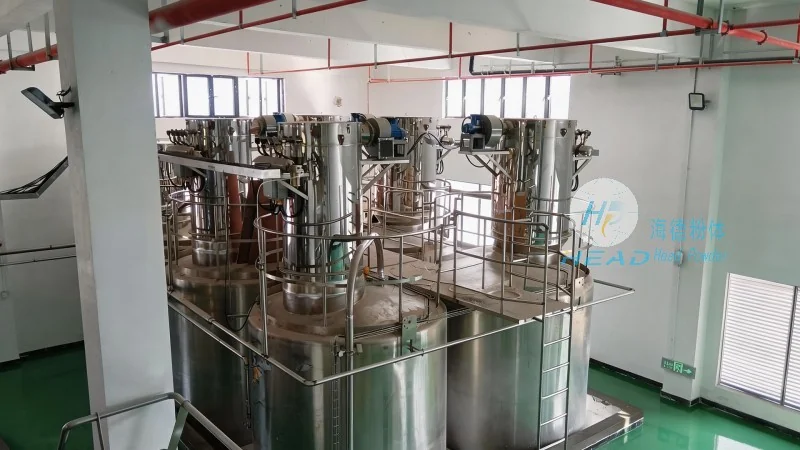
A borax material pneumatic conveyor is a type of pneumatic conveying system that utilizes air or gas to transport solid materials, in this case, borax, from one location to another. Unlike traditional mechanical conveyors, which rely on belts or buckets, pneumatic conveyors use a pressurized or vacuum system to move materials through a network of pipes. This method is particularly advantageous for handling light, dusty, or abrasive materials like borax, as it minimizes product degradation and reduces the risk of contamination.
The system typically consists of several key components, including a hopper for material storage, a feeder to control the flow of borax into the system, a conveying line (often made of stainless steel or other corrosion-resistant materials to withstand the chemical properties of borax), and a separator or filter to separate the material from the air at the discharge end. The choice of components is crucial for ensuring the system operates efficiently and maintains product quality throughout the conveying process.
Design Principles of Borax Material Pneumatic Conveyors
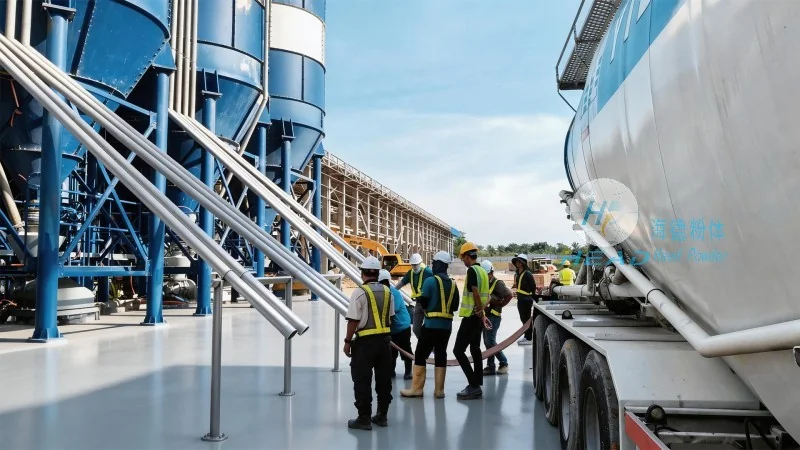
The design of a borax material pneumatic conveyor is centered around several fundamental principles that address the specific challenges of handling borax. First, the system must be capable of maintaining a consistent air flow rate to ensure reliable material transport. This involves selecting the appropriate blower or vacuum pump that can generate sufficient pressure or suction to move the material through the pipeline without causing excessive pressure drops or particle degradation.
Second, the conveying line and associated components must be constructed from materials that are resistant to the chemical and physical properties of borax. Borax is a hygroscopic substance, meaning it can absorb moisture from the air, which can affect its flow characteristics and cause caking or blockages. Therefore, the use of stainless steel or other corrosion-resistant materials for the pipeline and hopper is essential to prevent corrosion and maintain the integrity of the system over time.
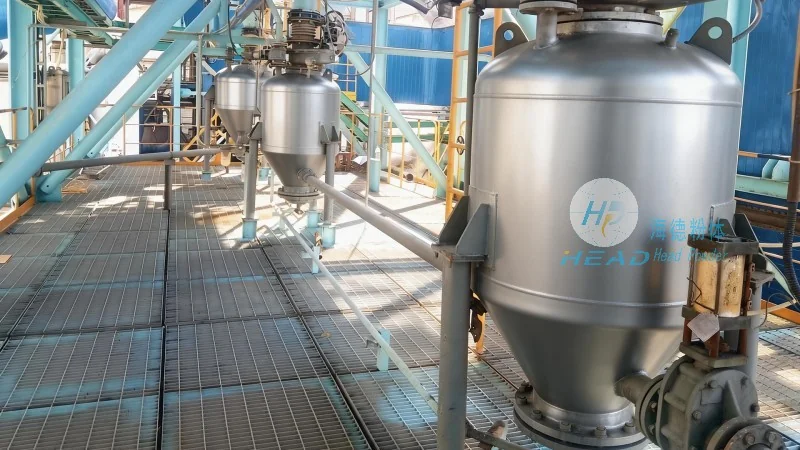
Third, the system must incorporate effective separation and filtration mechanisms to prevent the escape of dust and particles into the environment. This is critical for maintaining air quality and complying with environmental regulations. The separator typically uses a combination of cyclonic separation and filtration to capture the material particles from the air stream, ensuring that only clean air is released from the system.
Fourth, the design must consider the particle size and density of the borax material. Borax particles are often fine and lightweight, which can lead to issues such as high pressure drop and poor flow characteristics if not properly addressed. The system's design, including the feeder and pipeline diameter, is optimized to handle these characteristics, ensuring smooth and efficient transport without excessive energy consumption.
Applications and Benefits of Borax Material Pneumatic Conveyors
Borax material pneumatic conveyors are widely used in various industrial applications where borax is processed or transported. These include chemical manufacturing plants, food processing facilities, and mining operations. The primary benefits of using this type of conveyor include improved material handling efficiency, reduced labor costs, and enhanced safety compared to traditional methods. By eliminating the need for manual handling and mechanical components, the system minimizes the risk of product contamination and operator exposure to dust and particles.
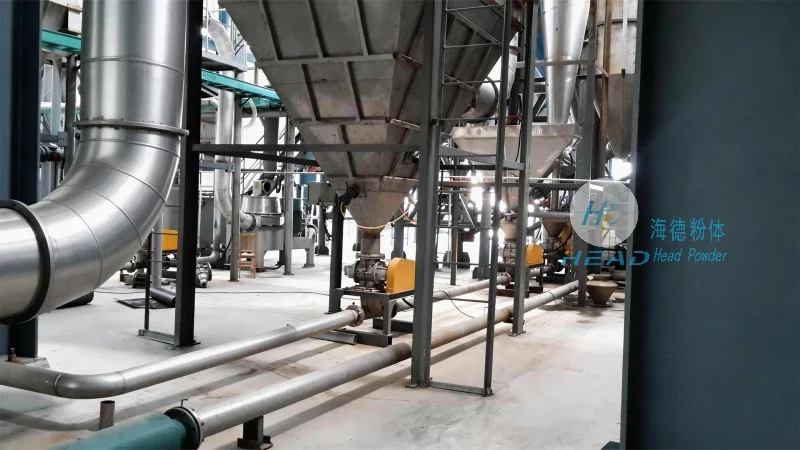
Additionally, the pneumatic conveyor system offers flexibility in terms of layout and installation. It can be easily integrated into existing production lines or reconfigured to accommodate changes in production requirements. The compact design of the system also allows for space-saving installations, making it suitable for facilities with limited floor space.
Conclusion and Company Overview
In conclusion, a borax material pneumatic conveyor is a sophisticated and efficient solution for transporting borax materials in industrial settings. Its design principles, which focus on maintaining consistent air flow, using corrosion-resistant materials, and incorporating effective separation mechanisms, ensure reliable operation and product quality. As a leading manufacturer in this field, Shandong HeadPowder Engineering Co., Ltd., based in China, specializes in designing and manufacturing high-quality pneumatic conveying systems tailored to the specific needs of borax processing industries. With a commitment to innovation and quality, HeadPowder provides reliable solutions that enhance operational efficiency and safety for its clients.