For industrial applications involving the handling of ash and other fine powders, efficient and reliable conveying systems are essential. Ash powder conveyors, specifically designed for such materials, play a crucial role in ensuring smooth material transport from one location to another. This article delves into the working principle and key features of ash powder conveyors, highlighting how they contribute to operational efficiency and safety in various industrial settings.
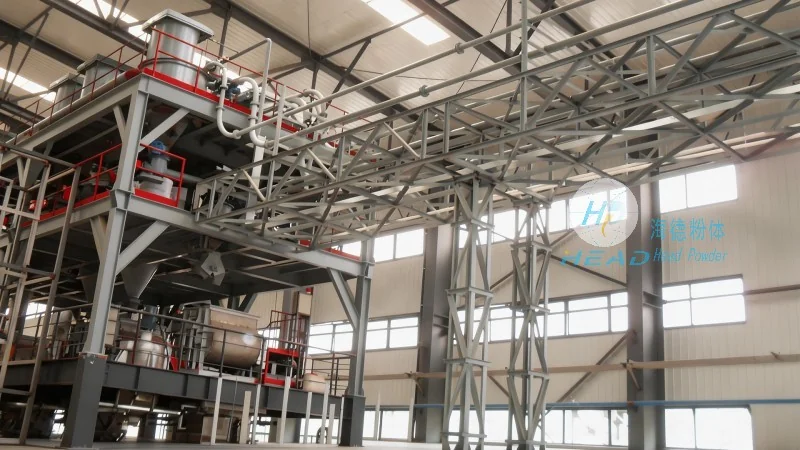
Ash powder conveyors operate on the principle of transporting bulk materials through a combination of mechanical components. The core mechanism typically involves a conveyor system that uses either a screw, belt, or pneumatic method to move ash particles. The screw conveyor, for instance, consists of a rotating screw within a tube, which pushes the material forward as it rotates. This design allows for consistent and controlled movement of fine powders like ash, preventing clogging and ensuring a steady flow rate. The belt conveyor variant utilizes a continuous belt that carries the material, often with the help of idlers and pulleys to maintain tension and direction. Pneumatic conveyors, on the other hand, rely on air pressure to transport the material through a pipeline, making them ideal for dusty or hazardous environments where direct contact with the material is minimized.
Each of these mechanisms is tailored to the specific characteristics of ash powder, such as its density, moisture content, and potential for dust generation. The screw conveyor, for example, is particularly effective for handling dry ash with low moisture content, as it can maintain a consistent speed and pressure. The belt conveyor is suitable for larger volumes and can accommodate a wider range of particle sizes, while the pneumatic system excels in environments where dust control is paramount. The choice of mechanism depends on factors like the application requirements, material properties, and the need for dust suppression or containment.
Several key features distinguish ash powder conveyors from other types of material handling equipment, making them ideal for industrial use. One of the most important features is their ability to handle fine, abrasive materials without causing wear and tear on the conveyor components. The construction materials, such as stainless steel or corrosion-resistant alloys, are chosen to withstand the abrasive nature of ash and prevent degradation over time. This durability ensures long-term operational reliability and reduces maintenance costs.
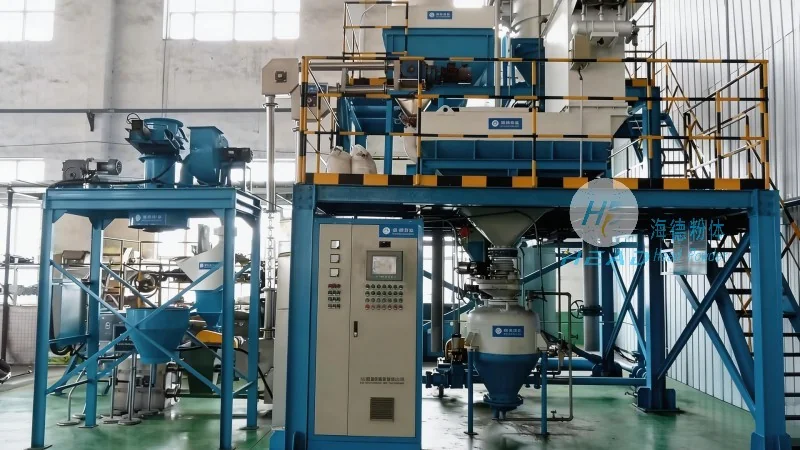
Another critical feature is the integration of dust control systems. Ash powder conveyors are often equipped with sealed enclosures and dust extraction ports to minimize the release of fine particles into the environment. This not only improves workplace safety by reducing respiratory hazards but also complies with environmental regulations. The design may include features like air filtration systems or cyclone separators to capture and recycle the dust, further enhancing efficiency and sustainability.
Efficiency and energy consumption are also key considerations in the design of ash powder conveyors. Modern systems incorporate variable speed drives and optimized conveyor geometry to minimize energy usage while maintaining optimal material flow rates. This not only reduces operational costs but also contributes to a more sustainable industrial operation. Additionally, the conveyors are designed for easy maintenance, with accessible components and quick-release mechanisms that allow for routine checks and repairs without extensive downtime.
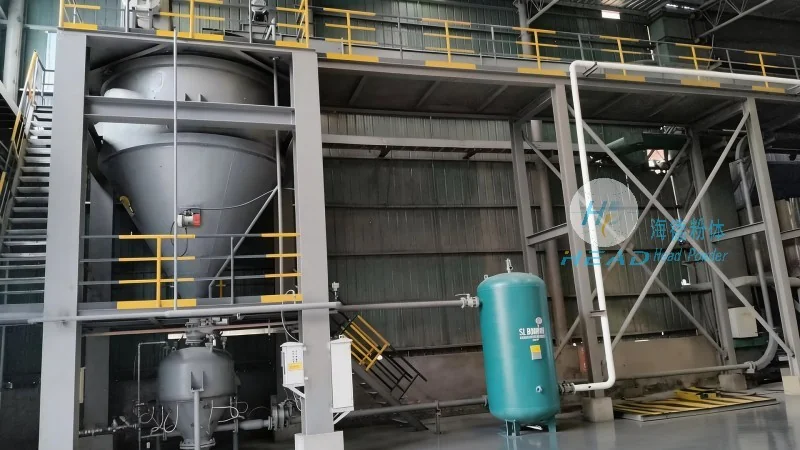
Ash powder conveyors find applications in various industries, including power generation, waste management, and chemical processing. In power plants, they are used to transport fly ash from boilers to storage silos or for further processing. In waste management facilities, they help in the handling of ash from incineration processes, ensuring proper disposal and recycling. The consistent and reliable operation of these conveyors contributes to improved productivity and reduced downtime in these critical operations.
The operational benefits of using ash powder conveyors extend beyond just material transport. By ensuring a steady flow of ash, they help maintain the efficiency of downstream processes, such as ash utilization in cement production or other industrial applications. The ability to handle fine powders without segregation or loss also enhances the quality of the final product. Furthermore, the reduced risk of dust exposure and the minimized need for manual handling improve workplace safety and compliance with health and safety standards.
Ash powder conveyors are essential equipment for industries dealing with fine, abrasive materials like ash. Their working principle, which may involve screw, belt, or pneumatic mechanisms, is designed to handle the unique properties of ash while ensuring efficient and safe material transport. Key features such as durability, dust control, and energy efficiency make these conveyors a reliable choice for various industrial applications. As part of Shandong HeadPowder Engineering Co., Ltd.'s product offerings, these conveyors are engineered to meet the specific needs of industrial clients, providing solutions that enhance operational efficiency and safety. With a focus on quality and performance, HeadPowder continues to deliver innovative material handling solutions tailored to the demands of modern industry.

 Shandong Headpowder Engineering Co., Ltd.
 156-6277-7102(Manager Zhang)
  0531-83386006
  Jinan City, Shandong Province, China
telephone
WeChatconsult
top