Cellulose powder, a fundamental raw material in industries ranging from pharmaceuticals and food processing to chemical manufacturing, demands efficient and reliable handling solutions to support seamless production workflows. The cellulose powder conveyor is a specialized piece of equipment engineered to transport these fine, often hygroscopic powders with precision, minimizing loss and ensuring product integrity. Understanding the working principle and distinctive features of such conveyors is vital for selecting the appropriate system for specific industrial applications, as it directly impacts operational efficiency and cost-effectiveness.
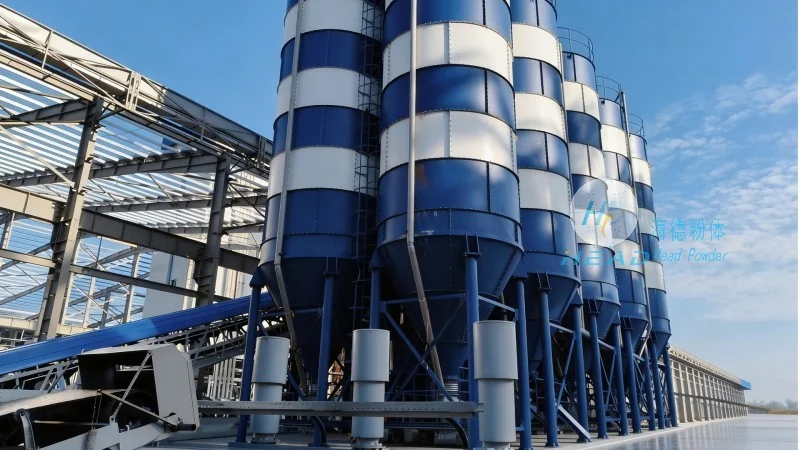
The operation of a cellulose powder conveyor involves a coordinated sequence of mechanical and pneumatic components designed to move the material from its source to the destination. The process typically begins with a feeding mechanism, such as a hopper or a screw feeder, which introduces the cellulose powder into the conveyor system. This initial step ensures a consistent and controlled flow of material, preventing overloading or uneven distribution that could disrupt the transport process. Following the feeding stage, the conveyor utilizes either a pneumatic or mechanical method to transfer the powder. Pneumatic systems, for instance, employ compressed air to create a flow of air and powder through a pipeline, while mechanical systems like screw or belt conveyors rely on rotating components to move the material.
In pneumatic conveying systems, the key working principle revolves around maintaining optimal air velocity and pressure to prevent particle segregation or blockages. The design of the pipeline, including its diameter, bends, and expansion joints, is carefully engineered to minimize friction and maintain the free-flowing state of the cellulose powder. The system also incorporates filtration and separation units to remove any moisture or contaminants, ensuring the powder remains dry and free-flowing throughout the transport. This combination of mechanical and pneumatic elements enables a seamless transfer of cellulose powder, reducing operational downtime and enhancing overall productivity. The working principle is further enhanced by advanced control systems that monitor air pressure, flow rate, and material level in real-time, allowing for immediate adjustments to maintain optimal performance.
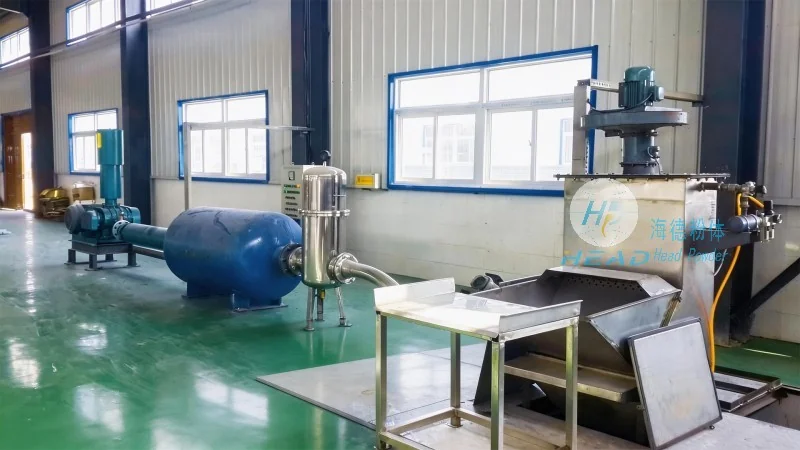
When assessing cellulose powder conveyors, several key features distinguish high-performance systems from standard alternatives. One critical feature is the ability to handle fine, cohesive powders without causing agglomeration or clogging. The internal surfaces of the conveyor, often constructed from stainless steel or food-grade materials, provide a smooth, non-stick finish that prevents powder buildup, which is particularly important for cellulose powder due to its hygroscopic properties. This design ensures consistent flow and reduces the need for frequent cleaning.

Another significant feature is the system’s adaptability to varying production rates. Many modern conveyors are equipped with adjustable speed controls and variable feed mechanisms, allowing operators to match the transport capacity to current production demands. This flexibility is essential in dynamic industrial environments where demand for cellulose powder can fluctuate, ensuring that the system operates efficiently without overloading or underutilizing resources. Furthermore, the conveyor’s ability to maintain a consistent air-to-powder ratio in pneumatic systems is crucial for preventing overloading or underloading of the pipeline, which can lead to inefficiencies or equipment damage.
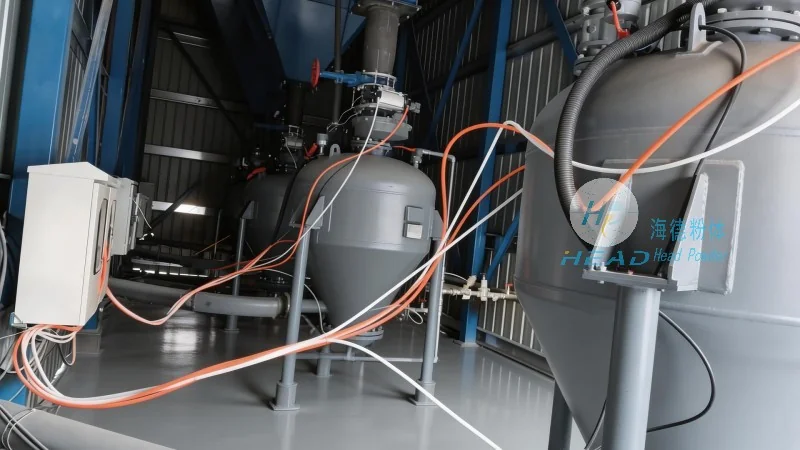
Energy efficiency is a notable feature of contemporary cellulose powder conveyors. Advanced designs incorporate energy-saving technologies, such as variable frequency drives (VFDs) that adjust motor speed based on the actual load. This not only reduces operational costs by minimizing energy consumption but also contributes to a more sustainable operation. Additionally, the use of high-efficiency air compressors and filters in pneumatic systems ensures that the system operates with minimal waste, further enhancing energy efficiency and reducing environmental impact.
Reliability and ease of maintenance are also paramount features. The conveyor’s robust construction, with durable bearings and sealed components, ensures long-term operation with minimal downtime. Regular maintenance procedures, such as cleaning internal components and replacing worn parts, are straightforward and can be performed by trained personnel, extending the equipment’s lifespan and maintaining consistent performance over time. This focus on reliability and maintenance makes the conveyor a cost-effective solution for long-term industrial use.

 Shandong Headpowder Engineering Co., Ltd.
 156-6277-7102(Manager Zhang)
  0531-83386006
  Jinan City, Shandong Province, China
telephone
WeChatconsult
top