For professionals in the cement industry, understanding the technology behind cement auxiliary powder conveying equipment is crucial for optimizing production efficiency and ensuring reliable material handling. This article delves into the working principle and key features of such equipment, providing a comprehensive overview that is essential for those seeking to enhance their operational capabilities.
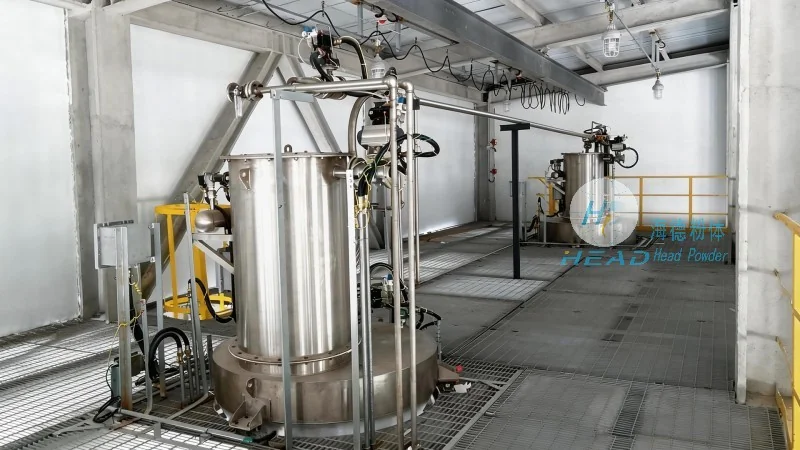
Cement auxiliary powder conveying equipment, commonly known as cement auxiliary powder conveyors, is a specialized system designed to transport various auxiliary materials used in cement production. These materials include limestone, gypsum, clay, and other additives that are essential for adjusting the chemical composition and physical properties of cement. The efficient handling of these powders directly impacts the quality and consistency of the final cement product, making the conveying equipment a critical component in modern cement manufacturing processes.
The working principle of cement auxiliary powder conveying equipment typically involves a combination of mechanical and pneumatic systems, depending on the specific design and application requirements. The most common types include screw conveyors, pneumatic conveyors, and bucket elevators, each with its own unique mechanism for moving bulk powders. For instance, screw conveyors utilize a rotating screw to push materials forward through a closed tube, while pneumatic conveyors use air pressure to transport powders in a pipeline. The selection of the appropriate system depends on factors such as the material's characteristics, the required conveying distance, and the desired flow rate.
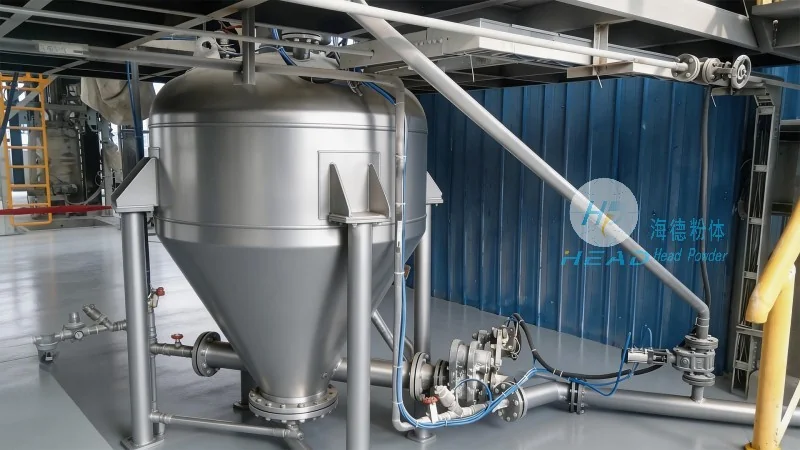
In a typical operation, the auxiliary powders are first fed into the inlet of the conveyor system. The system then uses either mechanical force or air pressure to move the material along the designated path. For screw conveyors, the rotation of the screw imparts motion to the material, causing it to move forward. In pneumatic conveyors, the material is suspended in a stream of air and propelled through the pipeline. The control system ensures that the conveying process is smooth and consistent, with adjustable parameters to match the production needs.
The features of cement auxiliary powder conveying equipment are tailored to meet the demanding requirements of the cement industry, emphasizing durability, efficiency, and adaptability. One of the primary features is the ability to handle a wide range of material types, from fine powders to bulk materials, without causing segregation or degradation. This is achieved through specialized designs such as variable-speed drives, which allow for precise control over the material flow rate. Additionally, the equipment is constructed with corrosion-resistant materials to withstand the harsh chemical environment of cement production, ensuring long-term reliability.

Another important feature is the integration of advanced monitoring and control systems. These systems provide real-time data on the conveying process, including flow rate, pressure, and material level, allowing operators to make informed decisions and prevent potential issues before they escalate. The equipment also incorporates safety features, such as overload protection and emergency stop mechanisms, to ensure the well-being of personnel and the integrity of the system.
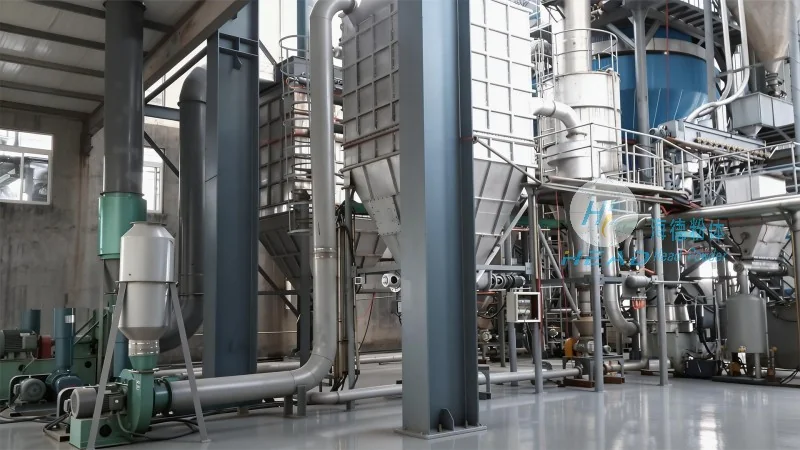
Furthermore, the design of cement auxiliary powder conveyors prioritizes energy efficiency and minimal maintenance. By optimizing the mechanical components and using efficient motor drives, the system reduces energy consumption while maintaining high performance. The modular construction of the equipment allows for easy maintenance and replacement of parts, minimizing downtime and operational costs. This combination of features makes the equipment a cost-effective solution for cement manufacturers seeking to improve their material handling capabilities.
Understanding the working principle and features of cement auxiliary powder conveying equipment is essential for optimizing cement production processes and ensuring high-quality output. The technology behind these systems has evolved to meet the increasing demands of the industry, offering reliable and efficient solutions for handling auxiliary materials. As a leading provider in the field, Shandong HeadPowder Engineering Co., Ltd. specializes in designing and manufacturing high-quality cement auxiliary powder conveyors that meet the specific needs of cement manufacturers. With a focus on durability, efficiency, and innovation, HeadPowder delivers equipment that enhances operational performance and contributes to the success of cement production facilities. Based in Shandong, China, HeadPowder Engineering Co., Ltd. is committed to providing reliable solutions for the cement industry, supporting the production of high-quality cement products.

 Shandong Headpowder Engineering Co., Ltd.
 156-6277-7102(Manager Zhang)
  0531-83386006
  Jinan City, Shandong Province, China
telephone
WeChatconsult
top