

Principles and Working Scene Characteristics of PVC Powder Conveying Systems
For industrial applications that require the efficient and reliable transport of PVC powders, understanding the underlying principles and operational characteristics of specialized conveying systems is crucial. This article explores the core mechanisms of PVC powder conveying systems, highlighting their design features, operational dynamics, and typical application scenarios. By examining these elements, readers can gain insights into how such systems enhance productivity and safety in material handling processes.
Core Principles of PVC Powder Conveying Systems
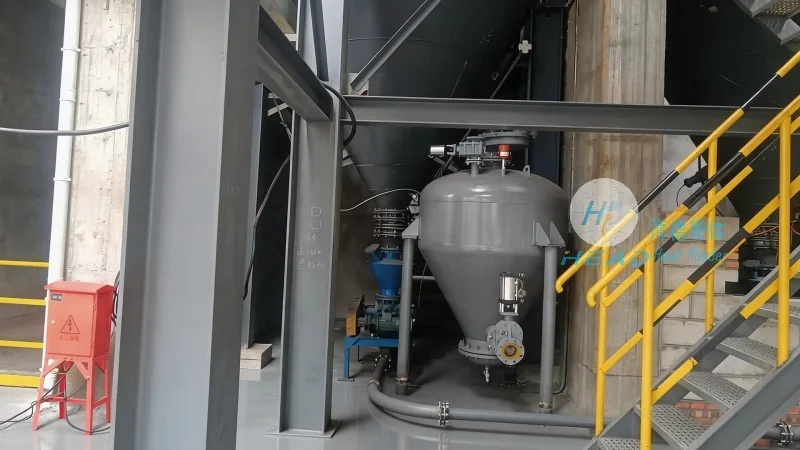
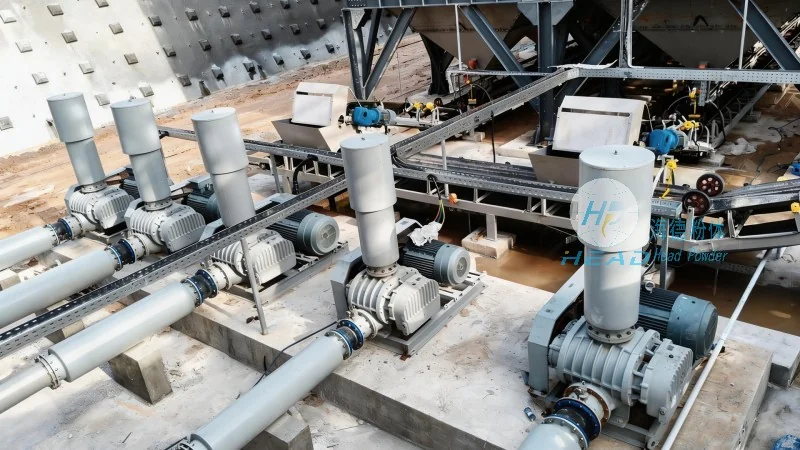
PVC powder conveying systems rely on the principles of pneumatic transport, which utilize air as the medium to move powders. These systems can be categorized into two main types: suction (or vacuum) conveying and pressure conveying. Suction systems draw powder from a source using a vacuum pump, while pressure systems push powder through a pipeline using compressed air. Both methods are designed to handle the unique properties of PVC powders, including their fine particle size (typically ranging from 10 to 200 microns) and tendency to generate static electricity. To mitigate static buildup, systems often incorporate anti-static materials or grounding mechanisms in the conveying tubes and components. Additionally, the design of hoppers and feeders is critical to prevent material bridging or clogging, which can occur due to the cohesive nature of PVC powders. By controlling the flow rate and pressure, these systems ensure consistent and reliable transport of the material.
Working Scene Characteristics and Application Scenarios
The operational characteristics of PVC powder conveying systems are tailored to meet the diverse needs of industrial applications. These systems are widely used in the PVC manufacturing sector, where they play a vital role in the production of various products. Key application scenarios include:
- Raw material transfer from bulk storage silos to production lines, ensuring a continuous supply of PVC powder for extrusion or compounding processes.
- Transport of PVC powder between different processing stages, such as from a drying unit to a mixing machine, maintaining the material's quality and preventing moisture contamination.
- Delivery of PVC powder to quality control labs for sample testing, where precise and repeatable dosing is essential for product consistency.
- Integration with automated production lines, where the conveying system works in tandem with other equipment to achieve seamless material flow and minimize downtime.
Each application requires careful consideration of factors such as the distance between the source and destination, the required flow rate, and the environmental conditions (e.g., temperature, humidity). For example, in outdoor or high-temperature environments, systems may include weather-resistant components and temperature control measures to protect the PVC powder from degradation. In contrast, indoor applications may prioritize space efficiency and noise reduction, with compact designs that fit within confined factory spaces.
Company Overview: Shandong HeadPowder Engineering Co., Ltd.
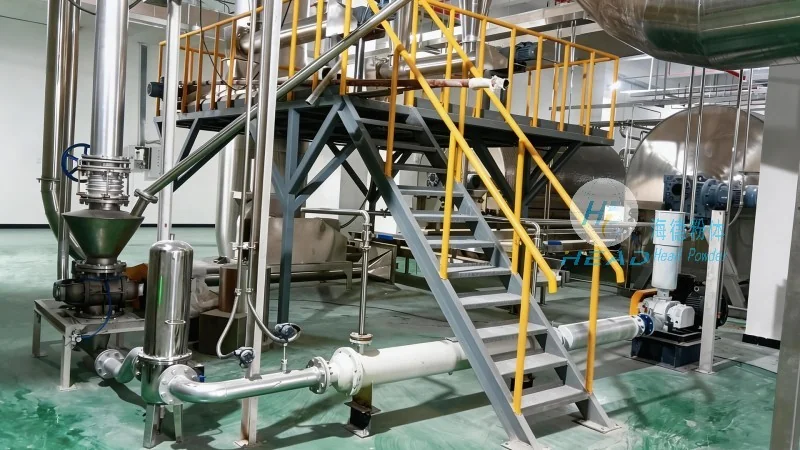
HeadPowder, headquartered in Shandong, China, is a leading engineering company specializing in the design, manufacturing, and installation of industrial powder handling systems. With years of experience in the plastics industry, HeadPowder has developed a comprehensive portfolio of solutions tailored to the needs of PVC powder processing. The company's team of engineers and technicians leverages advanced technology and industry best practices to create systems that are both efficient and reliable. HeadPowder's commitment to quality is evident in its adherence to international standards and rigorous testing protocols, ensuring that each system meets the highest performance and safety requirements. By partnering with HeadPowder, businesses can enhance their operational efficiency, reduce material waste, and improve overall productivity in PVC powder handling operations.