

Principle and Working Scene Characteristics of Colored Sand Powder Conveying Systems
Colored sand powder conveying systems are critical components in various industrial applications, particularly in the construction and manufacturing sectors. These systems are designed to efficiently transport colored sand powders, which are widely used for decorative and functional purposes in building materials, coatings, and other products. The effectiveness of such systems directly impacts production efficiency, material quality, and overall operational costs. Understanding the underlying principles and working characteristics of these systems is essential for optimizing their performance in real-world applications.
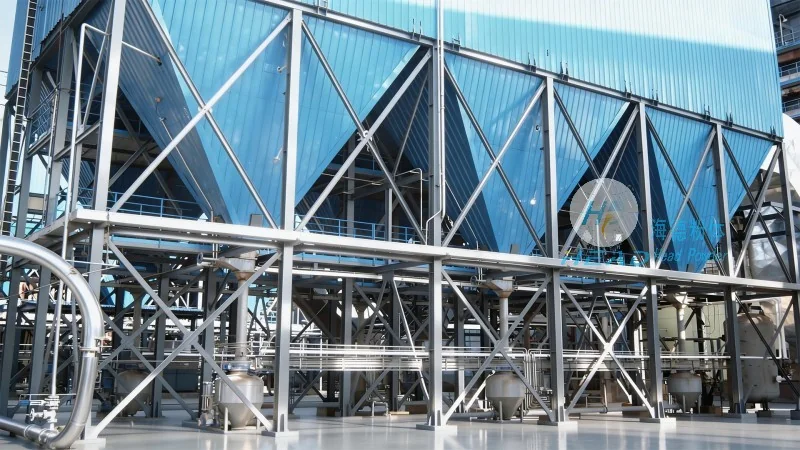
Company Overview: Shandong HeadPowder Engineering Co., Ltd.
HeadPowder, a leading manufacturer based in Shandong, China, specializes in the design, development, and implementation of advanced powder conveying solutions. With a strong commitment to innovation and quality, the company has established itself as a trusted partner for businesses seeking reliable and efficient systems for handling colored sand powders. The company's expertise spans from system design to installation and maintenance, ensuring that clients receive tailored solutions that meet their specific operational needs.
The Principle of Operation
The core principle of colored sand powder conveying systems involves the use of pneumatic or mechanical methods to transport dry powders through a network of pipes or ducts. In pneumatic systems, compressed air is used to create a flow that carries the powder particles, while mechanical systems rely on positive displacement or screw conveyors to move the material. The choice between these methods depends on factors such as the particle size, moisture content, and the required conveying distance. For colored sand powders, which typically have a relatively fine particle size and low moisture content, pneumatic systems are often preferred due to their ability to handle high volumes and maintain material integrity.
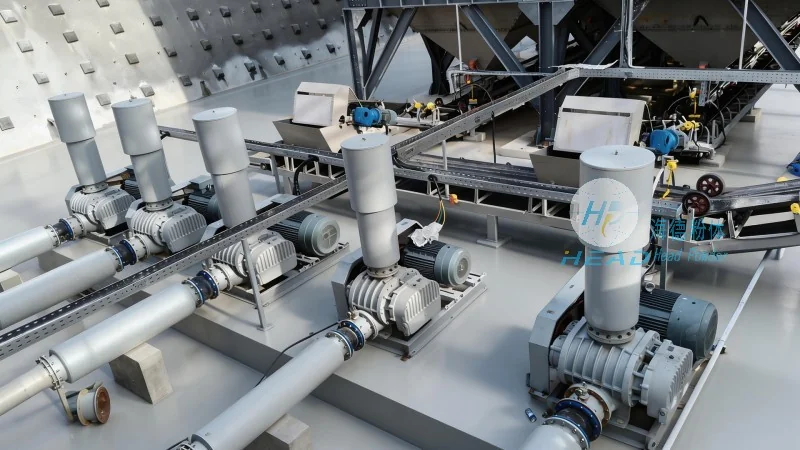
Working Scene Characteristics
The working scene characteristics of colored sand powder conveying systems vary based on the specific application and environment. In construction sites, these systems are commonly used to transport colored sand for decorative concrete, terrazzo flooring, and other architectural elements. The systems must be capable of handling large quantities of material while maintaining a consistent flow rate to ensure uniform color distribution in the final product. In manufacturing facilities, the systems may be integrated into production lines for the production of colored coatings, paints, or other powder-based products. Here, the focus is on precision and reliability to meet strict quality standards. Additionally, the systems must be designed to minimize dust generation and ensure compliance with environmental regulations, which is crucial in modern industrial operations.
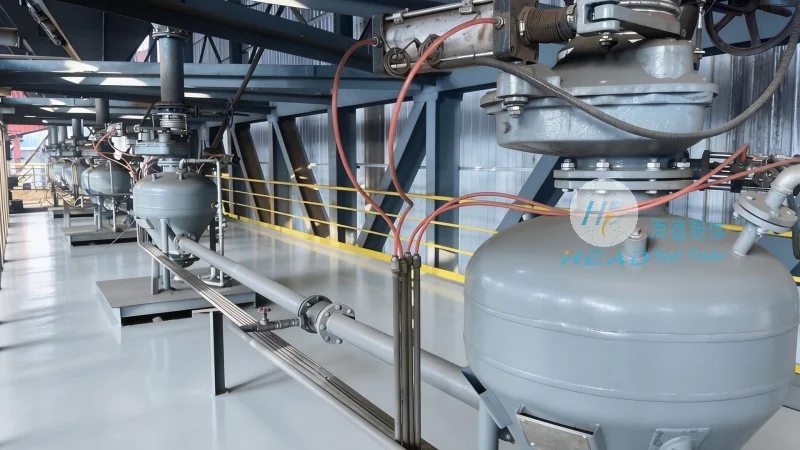
Application in Construction and Manufacturing
Colored sand powder conveying systems find extensive applications in both construction and manufacturing industries. In construction, they are used to deliver colored sand to mixing plants, where it is combined with other materials to create decorative concrete or mortar. The systems enable efficient material handling, reducing labor costs and improving productivity on construction sites. In manufacturing, these systems are integrated into production lines for the production of colored pigments, coatings, and other powder products. The ability to convey colored sand with minimal degradation ensures that the final products retain their color and quality. Furthermore, the systems can be customized to handle different types of colored sand, such as natural or synthetic varieties, catering to diverse customer requirements.
Advantages and Benefits
Implementing a colored sand powder conveying system offers several advantages that contribute to improved operational efficiency and product quality. One of the key benefits is the reduction in labor costs associated with manual handling of powders, as the systems automate the material transport process. This not only increases productivity but also enhances workplace safety by minimizing the risk of dust exposure and material spills. Additionally, the systems ensure consistent material flow and quality control, which is critical for maintaining product uniformity. The use of advanced control systems allows for real-time monitoring and adjustment of the conveying process, further optimizing performance. Moreover, the systems are designed to be durable and low-maintenance, reducing downtime and operational costs over the long term.