

Principle and Working Scene Characteristics of Tonne Bag Powder Conveying Systems
HeadPowder, a leading provider in the field, specializes in the design and implementation of tonne bag powder conveying systems. These systems are engineered to efficiently handle bulk powders from large tonne bags, ensuring seamless material transfer in industrial settings. The core principle revolves around the integration of advanced pneumatic or mechanical technologies to transport powders over various distances and heights, while maintaining product integrity and operational safety.
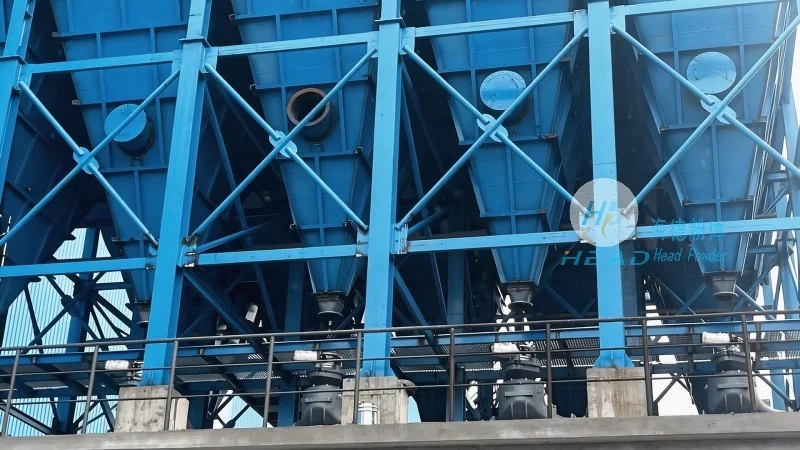
Core Principle of Tonne Bag Powder Conveying
The fundamental principle of tonne bag powder conveying systems is the utilization of pressure differentials or mechanical forces to move powders from the source (such as a storage silo or a tonne bag) to the destination point (like a processing unit or a storage container). In pneumatic conveying systems, for instance, compressed air is used to create a flow that pulls or pushes the powder through a pipeline network. This method allows for the handling of dry, free-flowing powders without the need for excessive mechanical agitation, which can help preserve the material's quality and prevent degradation. Mechanical conveying systems, on the other hand, rely on positive displacement pumps or screw conveyors to transport powders, offering higher pressure capabilities and suitability for more challenging materials.
Key Working Scene Characteristics
The working scene characteristics of tonne bag powder conveying systems are tailored to meet diverse industrial requirements. One of the primary characteristics is the ability to handle large volumes of powder efficiently, making them ideal for applications in sectors such as food processing, pharmaceuticals, chemicals, and mining. These systems are designed to accommodate the handling of bulk materials from tonne bags, which are commonly used for storing and transporting large quantities of powders. The flexibility in system design allows for customization based on the specific needs of the operation, including the distance between the source and destination, the height of the transfer, and the required flow rate.
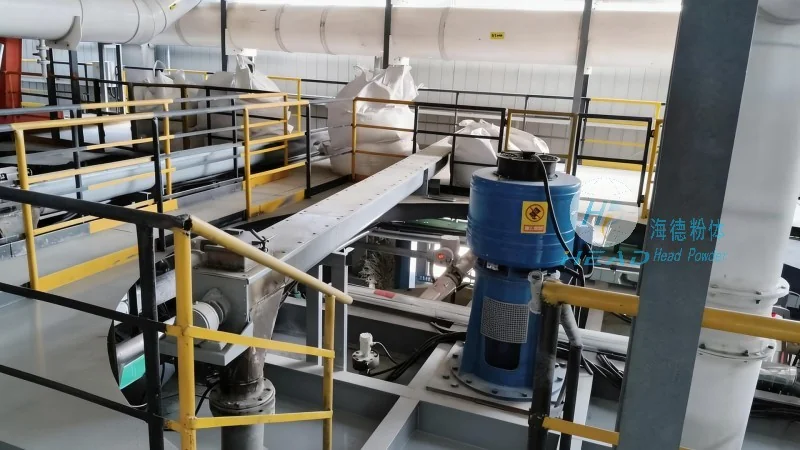
Operational Efficiency and Material Integrity
Operational efficiency is a critical aspect of tonne bag powder conveying systems. By streamlining the material transfer process, these systems reduce the time and labor required for manual handling, thereby improving overall productivity. Moreover, the systems are engineered to maintain the integrity of the powder, preventing contamination, segregation, or degradation during transport. This is particularly important in industries where product quality is paramount, such as in pharmaceutical manufacturing or food processing. The use of sealed pipelines and controlled airflow ensures that the powder remains in a stable state, minimizing the risk of caking or agglomeration.
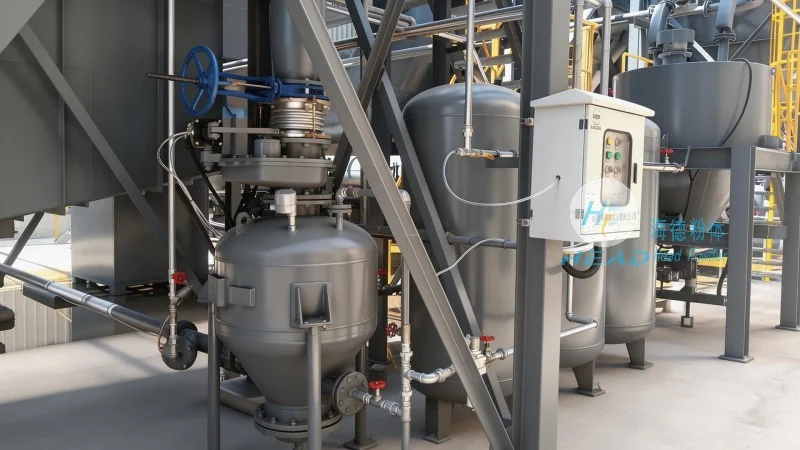
Customization and Scalability
HeadPowder offers customized solutions to suit the unique operational needs of each client. The systems can be scaled to handle varying capacities, from small-scale operations to large industrial plants. This scalability ensures that the equipment can grow with the business, providing a long-term investment that meets evolving demands. Customization options include the selection of appropriate conveying technologies, pipeline materials, and control systems, all tailored to the specific characteristics of the powder being handled. Additionally, the systems are designed for easy integration with existing infrastructure, minimizing disruption during installation and operation.
Conclusion
Tonne bag powder conveying systems, as exemplified by the solutions from Shandong HeadPowder Engineering Co., Ltd., represent a sophisticated approach to bulk material handling. By combining advanced engineering principles with practical application, these systems offer reliable, efficient, and safe methods for transporting powders. The working scene characteristics and operational efficiency make them indispensable in modern industrial settings, supporting productivity and maintaining product quality across various sectors.