

How to Transport Wheat Bran
Wheat bran, a byproduct of wheat milling, is a versatile material used in various industries, including animal feed production, food processing, and biofuel manufacturing. Its efficient transportation is critical for maintaining production efficiency and minimizing material loss. The unique physical properties of wheat bran—such as its lightweight nature, high surface area, and tendency to absorb moisture—require specialized conveying systems to ensure smooth and reliable operation. This article explores the different methods of wheat bran transportation, providing insights into the key factors to consider when selecting the right equipment for your operation.
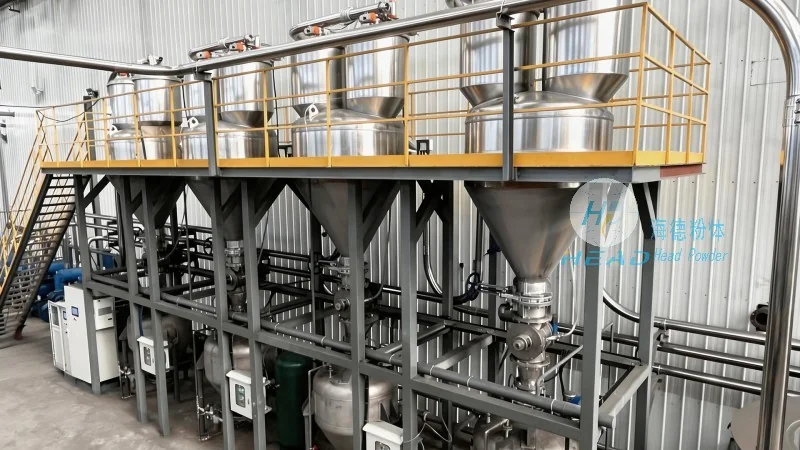
Understanding Wheat Bran and Its Conveying Challenges
Wheat bran is characterized by its fine, fibrous structure and high moisture absorption capacity, which can lead to caking or bridging in storage and handling. Additionally, its abrasive properties may cause wear on conveyor components over time. These characteristics make it essential to choose a conveying system that can handle the material's unique traits without compromising efficiency or product quality. The volume of bran to be transported, the distance of the transfer, the required speed, and the available space and budget are all critical factors that influence the selection of the most suitable conveying method. By carefully evaluating these aspects, you can ensure that the chosen system meets the operational needs of your facility while minimizing operational costs.
Popular Wheat Bran Conveying Methods
Several methods are commonly used for transporting wheat bran, each with distinct advantages and limitations. The most prevalent method is the belt conveyor, which is ideal for long-distance horizontal or slight incline transport. Belt conveyors consist of a continuous loop of rubber or fabric belt that moves over rollers or pulleys, carrying the bran from the source to the destination. This system is highly effective for handling large volumes of bran due to its high capacity and low maintenance requirements. The smooth surface of the belt prevents the bran from sticking, reducing the risk of blockages and ensuring consistent flow. However, belt conveyors may require more space for installation and are less suitable for vertical transport compared to other methods.
Screw conveyors, also known as augers, are another widely used option, particularly for applications requiring vertical or steep incline transport. These systems use a rotating helical screw to push the bran along a tube, making them compact and suitable for facilities with limited floor space. Screw conveyors are versatile and can handle both horizontal and vertical movement, but they may experience higher wear due to the abrasive nature of wheat bran. This can lead to increased maintenance costs and potential downtime if not properly maintained.
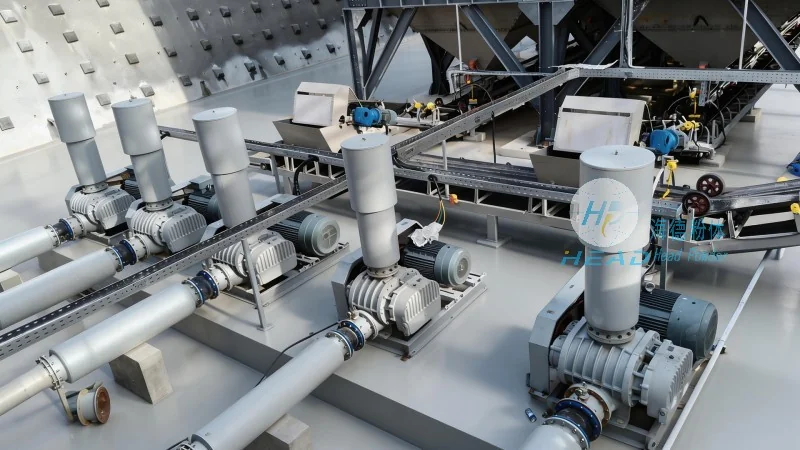
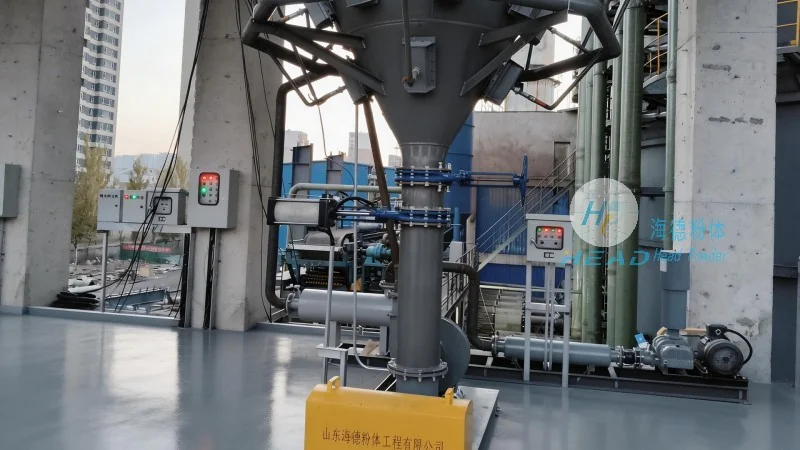
Pneumatic conveying systems represent a third option, utilizing air pressure to transport wheat bran through a pipeline. This method is advantageous for long-distance or multi-point transport, as it can move bran over significant distances without the need for intermediate transfer points. Pneumatic conveyors can handle both dry and slightly moist bran and are capable of transporting material at high speeds, reducing transfer time. However, they require a higher initial investment and may need more maintenance due to the wear on the pipeline and air compressor components. The choice between positive displacement and negative pressure pneumatic systems depends on the specific requirements of the operation, such as the distance and the amount of bran to be moved.
Evaluating the Pros and Cons of Each Method
When selecting a wheat bran conveying system, it is essential to weigh the advantages and challenges of each method. Belt conveyors offer high capacity, low maintenance, and minimal product degradation, making them suitable for large-scale operations. However, their space requirements and limited vertical transport capability may be drawbacks for some facilities. Screw conveyors are compact and versatile but may face higher wear and lower efficiency for long vertical lifts. Pneumatic conveying systems are ideal for long-distance and multi-point transport but come with higher initial costs and maintenance needs. The optimal choice depends on the specific operational parameters, including the volume of bran, the distance of transport, and the available resources and budget.
HeadPowder Engineering: Customized Solutions for Wheat Bran Conveying
Shandong HeadPowder Engineering Co., Ltd. is a leading provider of customized conveying solutions for wheat bran and other bulk materials. With a deep understanding of the industry and years of experience, our team has developed innovative equipment designed to address the unique challenges of handling wheat bran. Our products are engineered to ensure efficient, reliable, and cost-effective transportation, minimizing downtime and maximizing productivity. We offer a range of conveying systems, including belt conveyors, screw conveyors, and pneumatic conveyors, tailored to meet the specific needs of our clients. Our commitment to quality and customer satisfaction has established us as a trusted partner for businesses in the agricultural and food processing sectors. Whether you require a new system or an upgrade to your existing equipment, HeadPowder Engineering is dedicated to helping you achieve your conveying goals with tailored solutions that enhance operational efficiency and reduce costs.