

Principles and Working Scene Characteristics of Tailings and Slag Material Conveying
Tailings and slag material conveying is a critical process in mining and industrial operations, ensuring the efficient transport of fine-grained materials from processing sites to disposal or reclamation areas. The technology behind these systems is designed to handle the unique challenges posed by tailings, which often consist of fine particles mixed with water, and slag, which can be abrasive and high in density. Understanding the principles and working characteristics of such conveying systems is essential for optimizing operational efficiency, reducing environmental impact, and ensuring compliance with safety and regulatory standards.
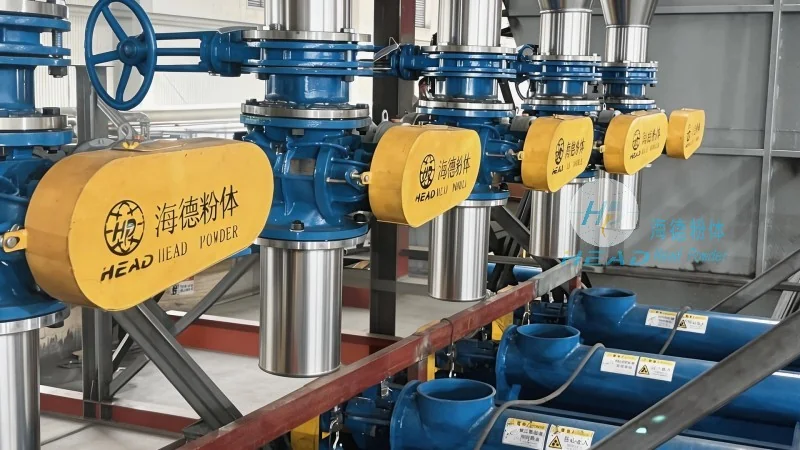
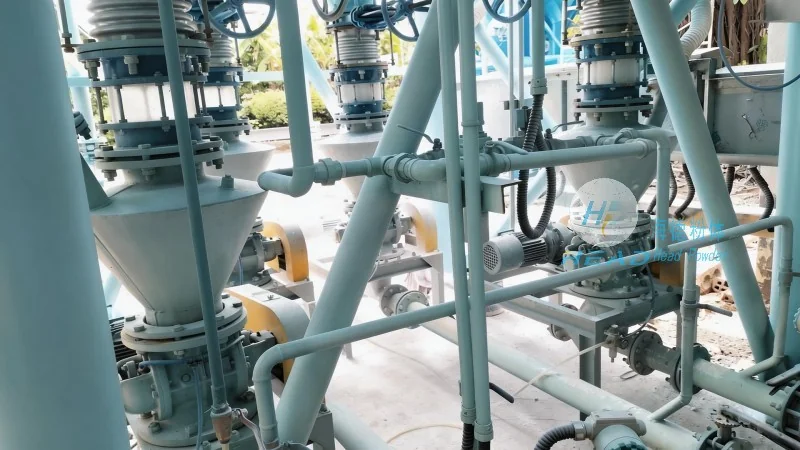
The Core Principles of Material Conveying for Tailings and Slag
The fundamental principle of tailings and slag material conveying involves the use of specialized equipment capable of handling high volumes of fine, often wet, materials. Key components typically include feed hoppers, conveyor belts or pipes, and control systems that manage the flow and pressure of the material. The design of these systems must account for the physical properties of tailings and slag, such as particle size distribution, moisture content, and density, to prevent blockages, wear, and system failure. For instance, the selection of conveyor belt material and tensioning mechanisms is critical to withstand the abrasive nature of slag particles, which can cause premature wear if not properly managed. Additionally, the control of water content in tailings is crucial, as excessive moisture can lead to slurry buildup and reduced conveying efficiency. Advanced systems may incorporate sensors and automation to monitor and adjust parameters in real-time, ensuring optimal performance under varying operational conditions.
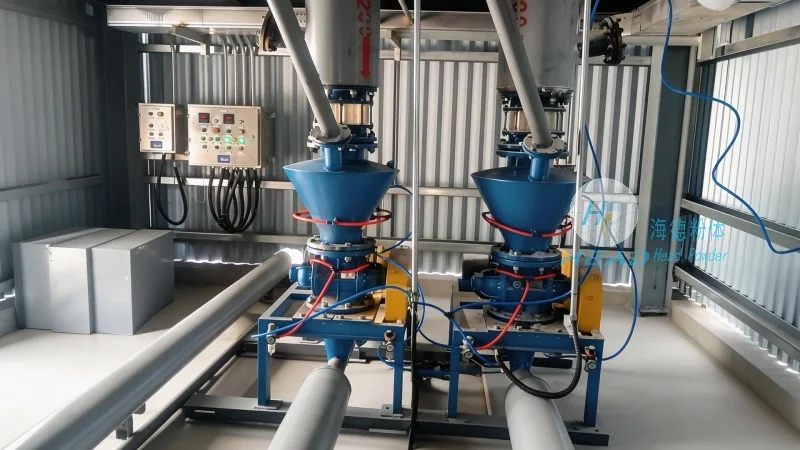
Working Scene Characteristics and Application Scenarios
The working scene characteristics of tailings and slag material conveying systems vary significantly based on the specific industrial application and site conditions. In mining operations, for example, these systems are often deployed in large-scale processing plants where massive volumes of tailings are generated daily. The systems must be capable of handling continuous, high-capacity flow rates, often exceeding 1000 cubic meters per hour, and may operate 24/7 to support continuous production. The working environment is typically rugged and industrial, with exposure to dust, noise, and extreme temperatures, requiring robust construction and maintenance protocols. In contrast, industrial applications such as steel mills or power plants may involve the transport of slag from furnaces to disposal sites, where the material is often hot and abrasive. The conveying systems in these scenarios must be designed to withstand high temperatures and thermal shock, with materials like heat-resistant steel or specialized coatings used for components in contact with the slag. Another key characteristic is the need for flexibility in system layout, as tailings and slag facilities are often situated in remote or constrained areas, necessitating modular and adaptable conveyor designs that can be installed and adjusted on-site. The working scene also includes considerations for environmental impact, as the discharge of tailings must be managed to minimize ecological disruption. Therefore, modern conveying systems often incorporate features like dust suppression and water recycling to reduce environmental footprint while maintaining operational efficiency.
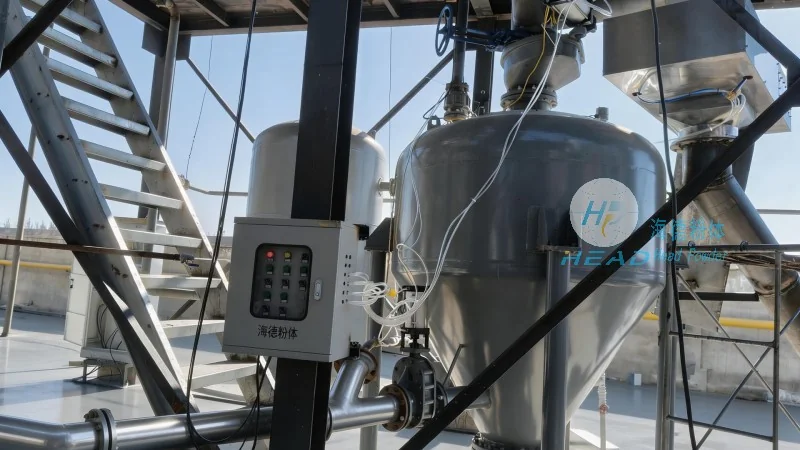
Company Overview: Shandong HeadPowder Engineering Co., Ltd.
Shandong HeadPowder Engineering Co., Ltd., commonly known as headpowder, is a leading provider of specialized engineering solutions for tailings and slag material handling. With operations based in Shandong, China, the company has established itself as a trusted partner in the mining and industrial sectors, offering comprehensive services from system design and installation to maintenance and support. HeadPowder's expertise lies in developing customized conveying solutions tailored to the unique requirements of each client, ensuring that systems are optimized for efficiency, durability, and environmental compliance. The company's team of engineers and technicians brings extensive experience in handling the challenges of tailings and slag transport, leveraging advanced technology and industry best practices to deliver reliable and cost-effective solutions. By focusing on the specific needs of each project, headpowder ensures that its clients achieve improved operational performance, reduced downtime, and enhanced safety in their material handling processes.