

Principles and Operational Characteristics of Grain Material Handling Systems
Grain material handling systems are critical components in the agricultural and food processing industries, designed to efficiently transport, store, and manage bulk grain materials. These systems are engineered to ensure optimal performance, safety, and reliability in various operational environments. Understanding the underlying principles and operational characteristics of such systems is essential for selecting the right equipment and optimizing workflow in grain handling operations.
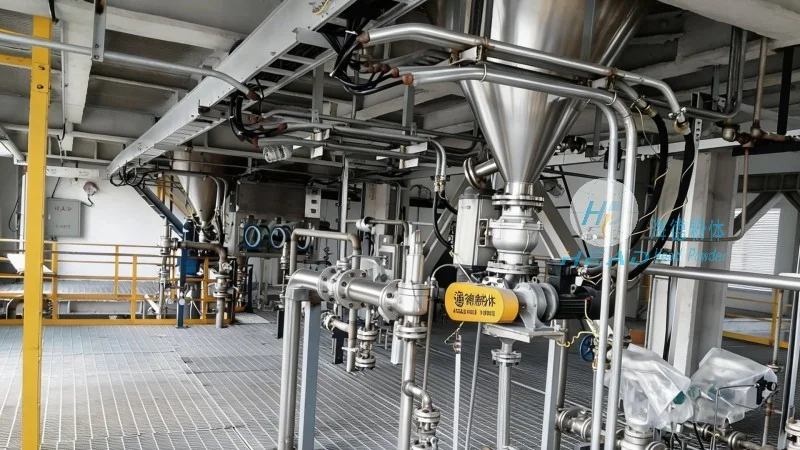
Core Principles of Grain Material Handling Systems
The fundamental principles of grain material handling systems revolve around mechanical efficiency, material flow optimization, and system integration. Mechanical efficiency refers to the ability of the system to move grain with minimal energy consumption and mechanical wear. Material flow optimization focuses on designing pathways that minimize friction, reduce material degradation, and ensure consistent flow rates. System integration involves coordinating different components, such as conveyors, elevators, and storage silos, to create a seamless workflow that aligns with production schedules and storage requirements.
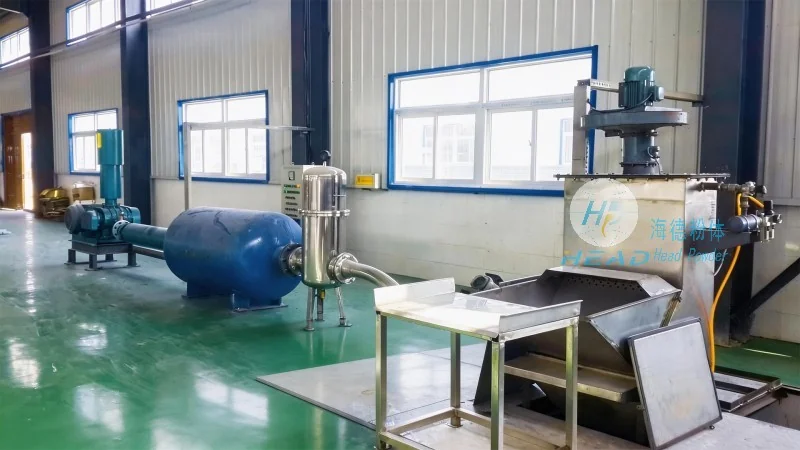
Key Components and Their Functions
Grain material handling systems typically consist of several key components, each with a specific function. Conveyors, such as belt conveyors and screw conveyors, are used to transport grain horizontally or at an incline. Elevators, including bucket elevators and chain conveyors, lift grain vertically to higher levels for storage or processing. Storage silos and bins are designed to hold large quantities of grain, ensuring proper aeration and protection from environmental factors. Additionally, material handling systems may include feeding mechanisms, such as gravity feeders or rotary valves, to regulate the flow of grain into processing equipment.
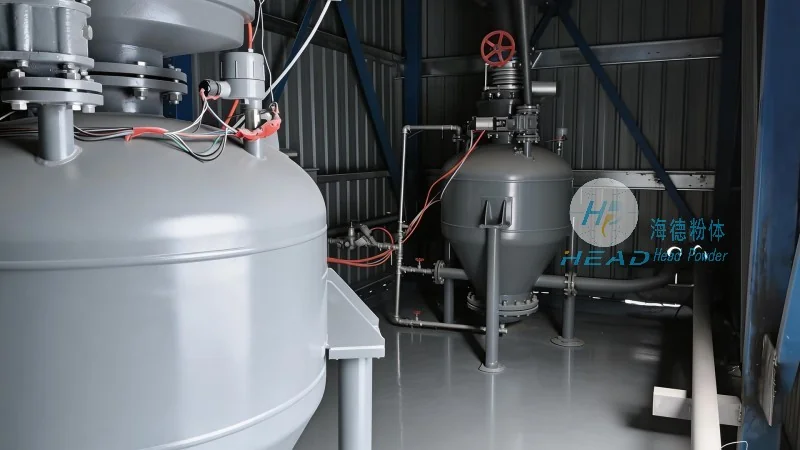
Operational Characteristics in Different Work Scenarios
The operational characteristics of grain material handling systems vary significantly based on the specific work scenario. In bulk handling facilities, such as grain elevators and processing plants, systems are designed to handle high volumes of grain at high speeds, often with automated controls to maintain consistent flow rates. In storage facilities, the focus is on long-term storage and preservation, with systems that include temperature and moisture monitoring to prevent spoilage. In agricultural settings, such as farms and rural storage facilities, systems may be more compact and portable, designed to handle smaller quantities of grain with manual or semi-automated controls.
Case Study: Application in Shandong, China
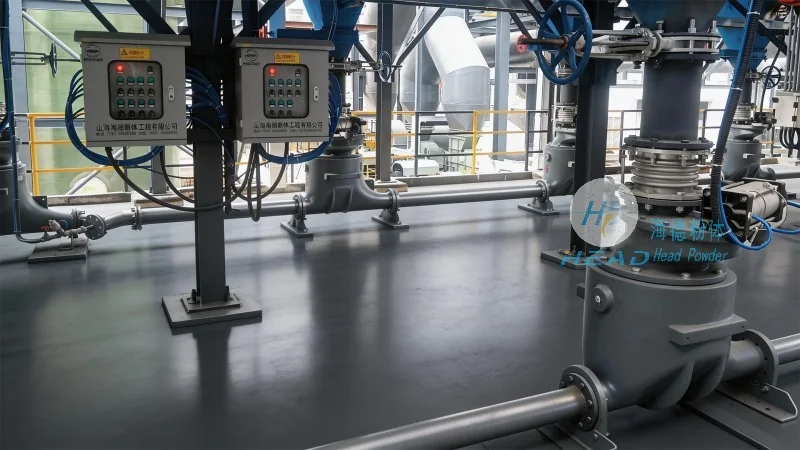
Shandong HeadPowder Engineering Co., Ltd., a leading provider of grain material handling solutions, has extensive experience in designing and implementing systems tailored to local operational needs. Based in Shandong, China, the company specializes in customizing equipment to meet the unique requirements of agricultural and food processing operations. Their systems are engineered to handle various types of grain, including wheat, corn, and rice, with features that enhance efficiency, reduce downtime, and improve overall productivity. The company's commitment to quality and innovation has made them a trusted partner for businesses seeking reliable grain handling solutions.
Conclusion and Future Trends
Grain material handling systems play a vital role in modern agricultural and food processing industries, enabling efficient and safe management of bulk grain materials. By understanding the core principles and operational characteristics of these systems, businesses can optimize their operations, reduce costs, and enhance productivity. As technology advances, future trends may include the integration of automation, artificial intelligence, and IoT sensors to further improve system performance and reliability. However, the fundamental principles of mechanical efficiency and material flow optimization will remain central to the design and operation of grain material handling systems.