

Principle and Operational Scenarios of Polyolefin Material Handling Equipment
HeadPowder, a leading manufacturer in the field of material handling solutions, specializes in providing efficient and reliable equipment for polyolefin material transportation. This article delves into the fundamental principles behind polyolefin material handling equipment and explores the key operational scenarios where these systems are commonly applied.
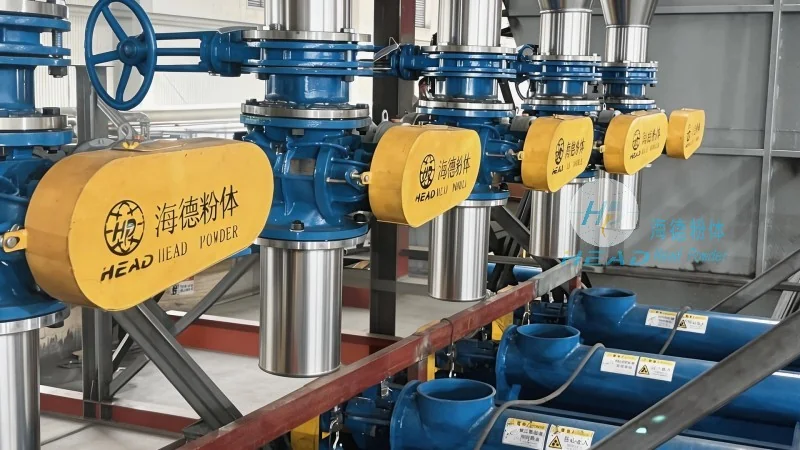
Company Profile and Background
Shandong HeadPowder Engineering Co., Ltd., commonly known as HeadPowder, is headquartered in Shandong, China. The company has established itself as a trusted provider of customized material handling solutions tailored to the unique needs of the polyolefin industry. With a strong focus on innovation and quality, HeadPowder offers a range of equipment designed to optimize material flow, enhance safety, and improve overall operational efficiency in polyolefin processing facilities.
The Working Principle of Polyolefin Material Handling Equipment
Polyolefin material handling equipment operates on principles that address the specific characteristics of polyolefin materials, such as polyethylene (PE) and polypropylene (PP). These materials are typically lightweight, have a low melting point, and can be prone to dust generation or static buildup. The core components of polyolefin handling systems include conveyors, feeders, and storage units, each designed to manage the material's physical properties effectively.
For instance, screw conveyors are widely used in polyolefin processing due to their ability to handle bulk materials with minimal segregation. The screw mechanism, rotating within a trough, moves the material forward through friction, ensuring a continuous and controlled flow. This design is particularly advantageous for polyolefins as it minimizes material degradation and prevents the accumulation of static charge, which could otherwise lead to safety hazards or material loss.
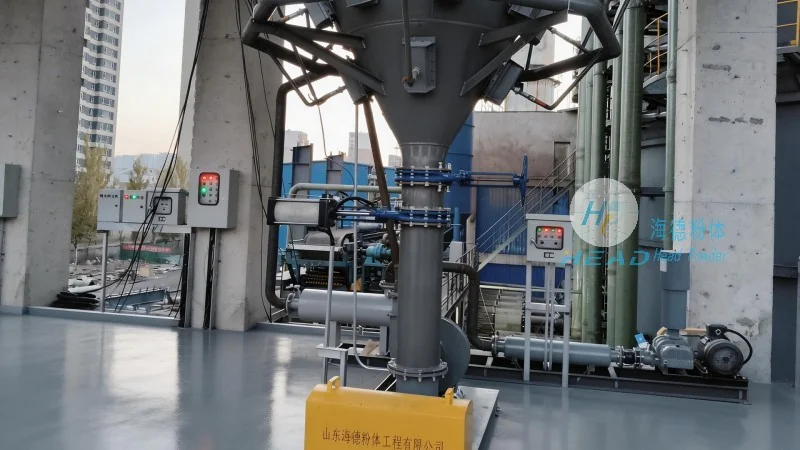
Another critical component is the feeder system, which regulates the flow rate of polyolefin materials into downstream processing equipment. Feeder mechanisms, such as vibratory or rotary feeders, are engineered to handle the low bulk density and irregular particle shapes of polyolefins. These systems ensure consistent material feed, preventing overloading or underfeeding that could disrupt production processes.
Key Operational Scenarios and Application Characteristics
Polyolefin material handling equipment is deployed in various operational scenarios across the polyolefin industry, each with distinct requirements and challenges. Understanding these scenarios is essential for selecting the most appropriate equipment for a given application.
One common operational scenario is the transportation of raw polyolefin pellets from storage silos to processing lines. In this context, the equipment must ensure a smooth, dust-free transfer while maintaining material integrity. The use of enclosed conveyor systems, equipped with dust collection and filtration, is standard practice to mitigate environmental and health risks associated with polyolefin dust.
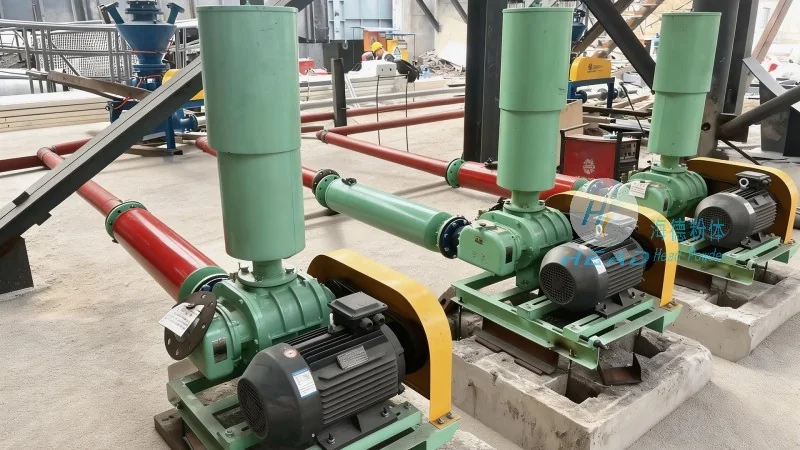
Another scenario involves the handling of polyolefin waste or regrind materials. These materials often require specialized equipment to prevent cross-contamination and ensure efficient recycling. For example, magnetic or air-separation systems may be integrated into the handling process to remove impurities before the material is reprocessed. This operational approach not only enhances product quality but also supports sustainable manufacturing practices.
Furthermore, polyolefin handling systems are utilized in blending operations, where different polyolefin grades are combined to achieve specific material properties. The equipment must maintain precise control over the blending ratios, ensuring uniform distribution of additives and polymers. This is typically achieved through multi-stage conveyor systems and automated feeding mechanisms that can adjust flow rates in real-time based on process parameters.
Advantages and Considerations in Polyolefin Material Handling
The adoption of specialized polyolefin material handling equipment offers several advantages, including improved process efficiency, reduced material loss, and enhanced workplace safety. However, operators must consider specific factors when implementing these systems, such as the material's tendency to generate static electricity and its susceptibility to temperature changes.

Static control is a critical consideration in polyolefin handling, as static buildup can cause material sticking, equipment damage, or even fire hazards. Equipment manufacturers often incorporate anti-static features, such as grounding mechanisms or conductive coatings, to mitigate these risks. Additionally, temperature control is essential, as polyolefins can soften or melt at elevated temperatures, potentially leading to equipment blockages or material degradation.
Another key consideration is the need for regular maintenance and cleaning of polyolefin handling systems. Polyolefin materials can adhere to conveyor surfaces, leading to clogging or reduced efficiency over time. Therefore, equipment is designed with easy-to-clean components and access points to facilitate routine maintenance, ensuring consistent performance and longevity.
Conclusion
Polyolefin material handling equipment plays a vital role in the efficient and safe processing of polyolefin materials. By understanding the underlying principles and operational scenarios, industries can select and implement the most suitable equipment to meet their specific needs. HeadPowder, with its expertise in material handling solutions, continues to provide innovative and reliable equipment that supports the growth and sustainability of the polyolefin industry.