

What are the methods for transporting coal ash particles?
Efficient and reliable transportation of coal ash particles is crucial in various industrial applications, particularly in power generation and waste management sectors. The choice of transportation method depends on factors such as particle size, moisture content, bulk density, and the distance to be covered. This article explores several common methods used for coal ash particle transportation, highlighting their advantages and applications.
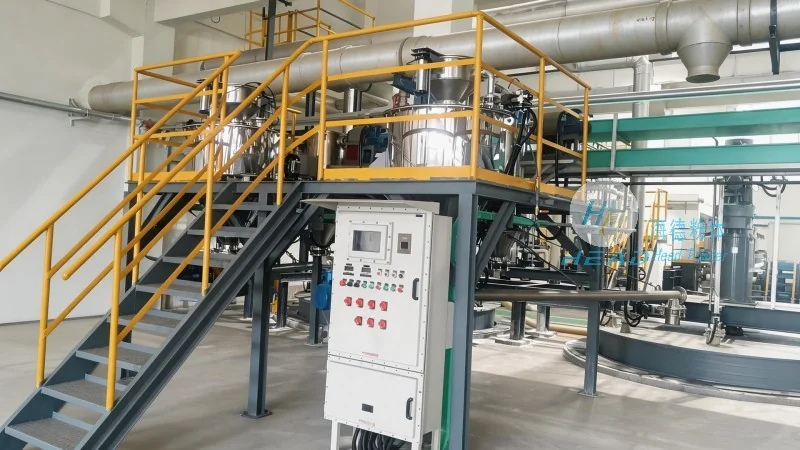
1. Belt Conveyor Systems for Coal Ash Particle Transport
Belt conveyors are widely used for transporting coal ash particles due to their high capacity, durability, and ability to handle large volumes of material. These systems consist of a continuous loop of belt that moves over rollers or pulleys, carrying the ash from the source to the destination. The design of the belt conveyor can be customized to suit different particle sizes and loads, with options including troughed belts, flat belts, and special belts for abrasive materials like coal ash. The use of headpowder's advanced belt conveyor solutions ensures efficient and low-maintenance operation, minimizing downtime and operational costs. These systems are particularly effective for short to medium distances and can be integrated with other processing equipment, such as crushers or classifiers, to form a complete material handling line.
2. Pneumatic Conveying Systems for Coal Ash Particle Transport
Pneumatic conveying, also known as air conveying, is another effective method for transporting coal ash particles. This technique involves using air pressure or vacuum to move the particles through a pipeline. There are two main types of pneumatic conveying systems: positive displacement and pressure systems. Positive displacement systems use a pump to push the material through the pipe, while pressure systems rely on compressed air to propel the particles. The choice between these systems depends on the distance, particle characteristics, and required flow rate. Headpowder's pneumatic conveying solutions are designed to handle a wide range of particle sizes and moisture levels, ensuring consistent and reliable transport. These systems are ideal for applications where space is limited or where the ash needs to be transported over longer distances without the need for multiple transfer points.
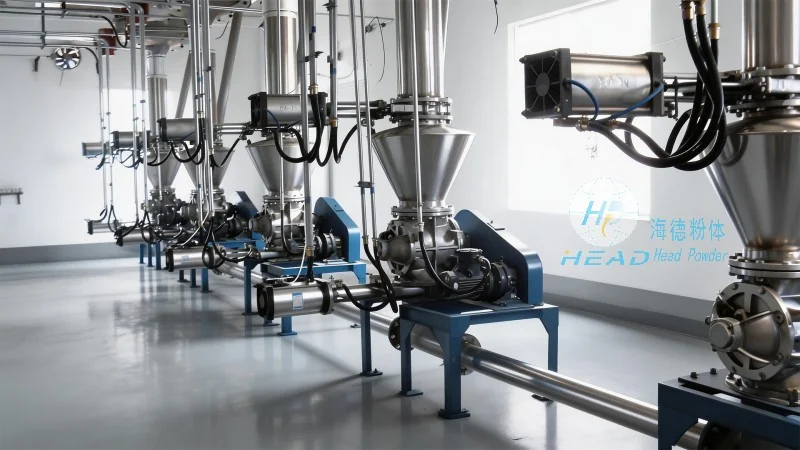
3. Screw Conveyors for Coal Ash Particle Transport
Screw conveyors, also known as auger conveyors, are another common method for transporting coal ash particles. These systems use a rotating screw or auger to move the material along a trough or pipe. Screw conveyors are particularly suitable for handling fine or powdery materials, as they can maintain a consistent flow and prevent material segregation. The design of the screw conveyor, including the pitch and diameter of the screw, can be adjusted to optimize performance for different particle sizes and bulk densities. Headpowder's screw conveyor solutions are built with high-quality materials to withstand the abrasive nature of coal ash, ensuring long service life and minimal maintenance. These conveyors are often used in combination with other equipment, such as hoppers or feeders, to form a complete material handling system.
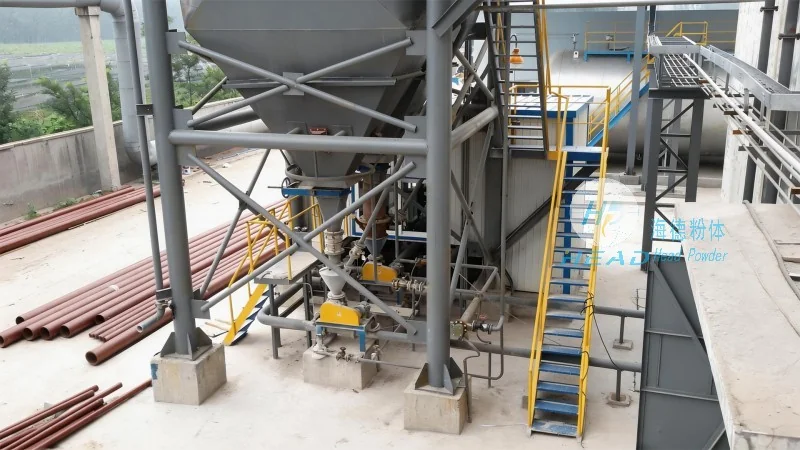
4. Hydraulic Conveying Systems for Coal Ash Particle Transport
Hydraulic conveying systems use water or other liquids to transport coal ash particles. This method is particularly effective for handling wet or slurry-like ash, where other systems may struggle. The ash is mixed with water to form a slurry, which is then pumped through pipelines to the destination. Hydraulic conveying systems are capable of transporting large volumes of material over long distances with minimal energy consumption. However, they require proper maintenance to prevent clogging and ensure efficient operation. Headpowder's hydraulic conveying solutions are designed to handle various ash compositions and moisture levels, providing a reliable method for transporting wet coal ash. These systems are commonly used in applications where the ash needs to be dewatered or processed further before disposal.
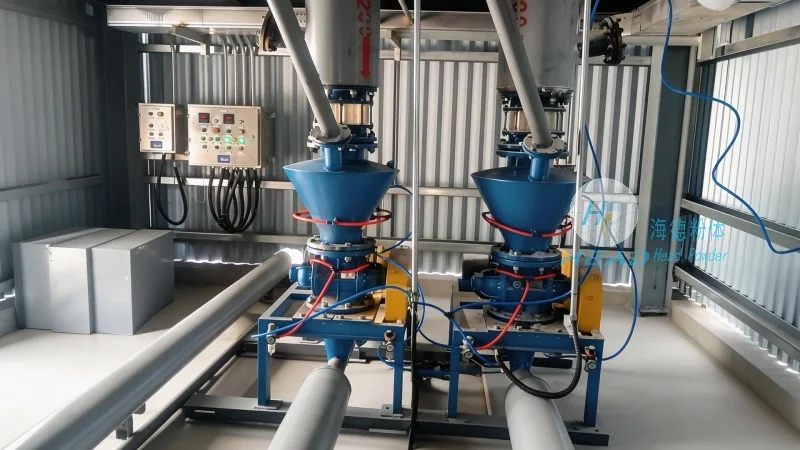
5. Combination Systems for Coal Ash Particle Transport
In many industrial settings, a single transportation method may not be sufficient to meet all the requirements. Therefore, combination systems are often used, integrating multiple methods to achieve optimal performance. For example, a belt conveyor may be used to transport the ash from the source to a pneumatic conveying system, which then transports it to the final storage or processing facility. Headpowder offers customized combination systems that can be tailored to specific project needs, ensuring efficient and cost-effective transportation of coal ash particles. These systems are designed to minimize material loss, reduce energy consumption, and improve overall operational efficiency.
When selecting a transportation method for coal ash particles, it is essential to consider factors such as the specific characteristics of the ash, the distance to be covered, and the available budget. Headpowder, as a leading provider of material handling solutions, offers a range of options to meet these diverse needs. By leveraging their expertise and advanced technology, Headpowder ensures that clients receive the most suitable transportation system for their coal ash handling requirements. Whether it's a belt conveyor, pneumatic system, screw conveyor, or a combination of these, Headpowder's solutions are designed to deliver reliable, efficient, and cost-effective coal ash particle transportation.