

Principle and Working Scene Characteristics of PP Material Conveying System Equipment
HeadPowder, a leading manufacturer based in Shandong, China, specializes in the design and production of advanced material handling solutions. The company's PP material conveying system equipment is engineered to meet the diverse needs of industrial applications, offering efficient and reliable transportation of polypropylene (PP) materials across various production environments.
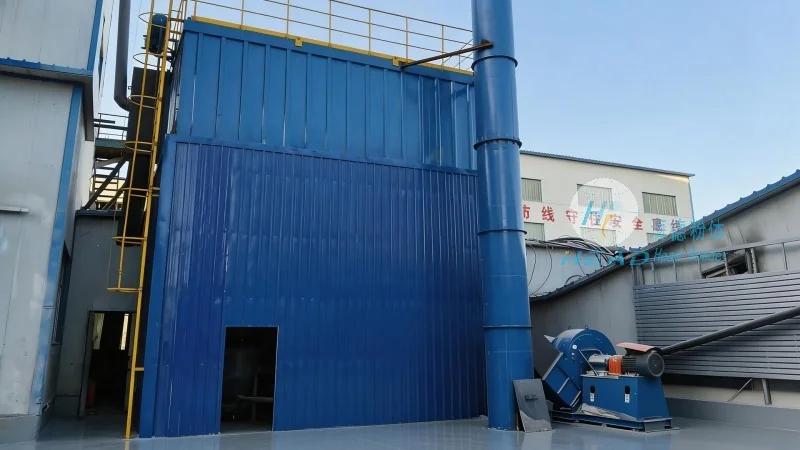
Understanding the Core Principles of PP Material Conveying Systems
The PP material conveying system operates on a systematic approach to ensure seamless material transport. At its core, the equipment integrates several key components that work in tandem to achieve optimal performance. These components typically include feed hoppers, conveyor belts or rollers, control mechanisms, and discharge units. The feed hopper is responsible for receiving and storing the PP material, while the conveyor mechanism (such as a belt or screw conveyor) transports the material from the hopper to the desired location. Control systems, often equipped with sensors and automation features, monitor the flow rate and adjust the operation as needed to maintain consistency. The discharge unit then delivers the material to the next processing stage or storage area.
One of the fundamental principles is the use of specialized materials and designs to handle PP, which is known for its lightweight, flexible, and sometimes abrasive properties. The conveying system is constructed with durable components that resist wear and tear, ensuring long-term reliability. For instance, the conveyor belts may be made from reinforced materials to prevent tearing or stretching under the weight of the PP pellets or granules. Additionally, the system incorporates features like temperature control or moisture protection, as PP can be sensitive to environmental factors that affect its processing characteristics.
Key Working Scene Characteristics of PP Material Conveying Systems
The working scene characteristics of PP material conveying systems are tailored to the specific demands of industrial settings where PP is processed or used. These systems are commonly found in sectors such as plastics manufacturing, chemical processing, and packaging industries. In plastics manufacturing, the system is integral to the production line, where PP pellets are transported from storage to extrusion or molding machines. The efficiency of the conveying system directly impacts the overall production throughput, as delays in material transport can lead to bottlenecks in the manufacturing process.
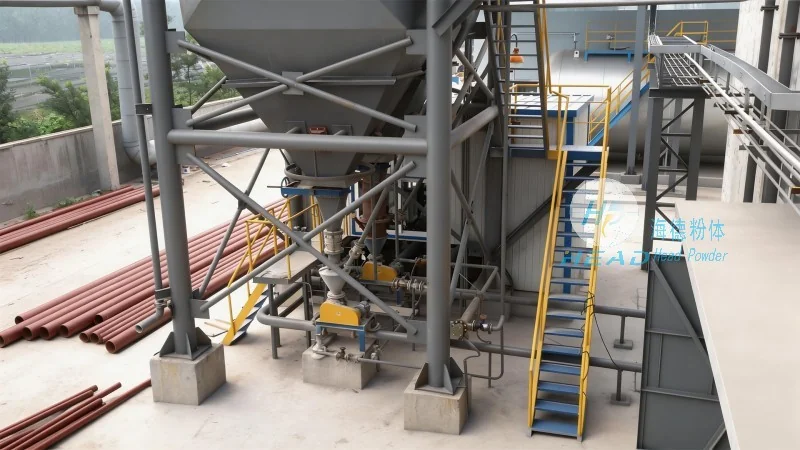
In chemical processing facilities, the system may handle PP powders or granules that are used as raw materials in the production of various chemical products. The ability of the system to maintain consistent flow rates and prevent material degradation is crucial in these applications. The working scene also includes considerations for safety and environmental compliance, as PP materials may require containment measures to prevent dust or emissions. The system's design often incorporates dust collection or filtration systems to ensure a clean and safe working environment.
Another key characteristic is the adaptability of the PP material conveying system to different operational conditions. For example, in packaging plants, the system may be used to transport PP films or sheets to packaging machines. The system can be customized with different conveyor speeds, widths, and lengths to accommodate various product sizes and production volumes. This adaptability makes the system versatile and suitable for a wide range of applications within the packaging industry.
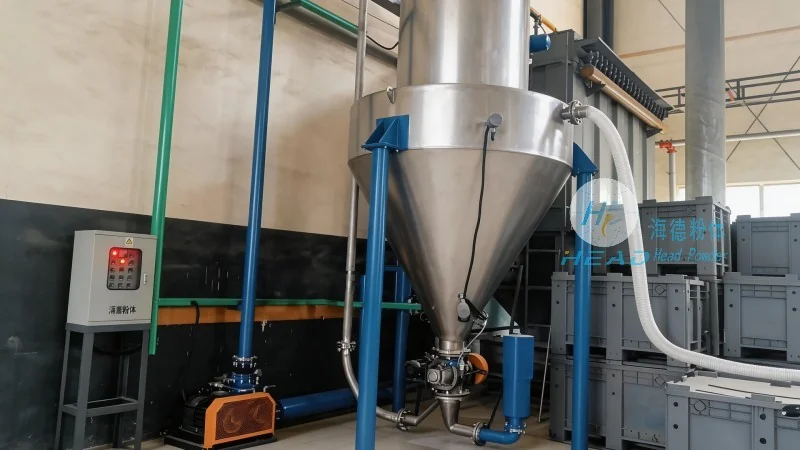
Advantages and Practical Applications in Diverse Industrial Environments
The PP material conveying system offered by HeadPowder is designed to provide significant advantages in terms of efficiency, reliability, and cost-effectiveness. By automating the material transport process, the system reduces the need for manual handling, which not only improves safety but also enhances productivity. The automated control systems ensure consistent material flow, minimizing variations in processing times and improving product quality. Additionally, the durable construction of the equipment minimizes maintenance requirements, reducing downtime and operational costs over the long term.
Practical applications of the PP material conveying system extend across multiple industrial environments. In the plastics industry, the system is essential for the smooth operation of production lines, where it ensures a steady supply of PP materials to extrusion and molding equipment. This leads to higher output rates and reduced production delays. In the chemical industry, the system facilitates the handling of PP powders, enabling efficient processing and reducing the risk of material loss or contamination. The system's adaptability also makes it suitable for packaging applications, where it can handle different forms of PP materials, from pellets to films, ensuring seamless integration into packaging lines.
HeadPowder's commitment to quality and innovation is reflected in the design and performance of its PP material conveying systems. The company's expertise in material handling solutions, combined with its understanding of industrial requirements, results in equipment that meets the highest standards of reliability and efficiency. By leveraging advanced engineering and manufacturing techniques, HeadPowder ensures that its PP material conveying systems are tailored to the specific needs of each client, providing customized solutions that enhance operational performance and support business growth.