

Principle and Working Scene Characteristics of Tea Powder Pneumatic Conveying Equipment
Tea powder pneumatic conveying equipment is a specialized system designed to handle and transport fine tea powders efficiently. This technology plays a crucial role in the modern tea processing industry, ensuring that tea powders are moved from one stage of production to another with minimal loss and maximum control. The equipment is engineered to address the unique challenges posed by tea powders, such as their fine particle size, hygroscopic nature, and potential for dust generation.
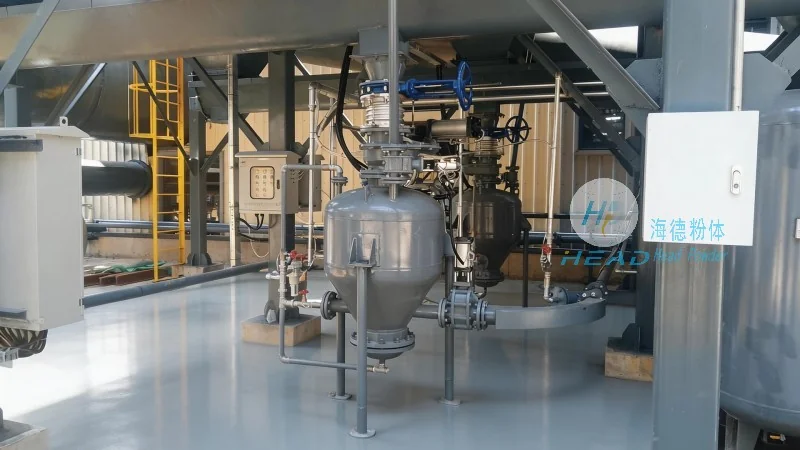
The Working Principle of Pneumatic Conveying Systems
At the core of tea powder pneumatic conveying equipment is the principle of using air to transport solid particles. The system typically operates by creating a pressure differential between the conveying line and the ambient environment. Air is drawn into the system through a fan or blower, and the tea powder is introduced into the line either by gravity or by a feeder mechanism. The air flow then lifts and propels the powder particles through the pipeline to the destination point. This process is often categorized into two main types: pressure and vacuum systems. Pressure systems use compressed air to push the material forward, while vacuum systems use suction to draw the material into the line. Both methods are effective for tea powders, but the choice depends on the specific application and the distance the powder needs to be conveyed.
Key Components and Their Functions
The tea powder pneumatic conveying system consists of several critical components that work in tandem to ensure smooth operation. These include the air supply unit (fan or blower), the feeder (which can be a rotary valve, screw feeder, or other type of metering device), the conveying line (usually made of stainless steel to prevent contamination and corrosion), the separation and collection equipment (such as cyclones or filters to remove the powder from the air stream), and the control system (which regulates the air flow and powder feed rate). Each component is designed to handle the specific characteristics of tea powders, ensuring that the material is not damaged during transport and that the system operates efficiently.
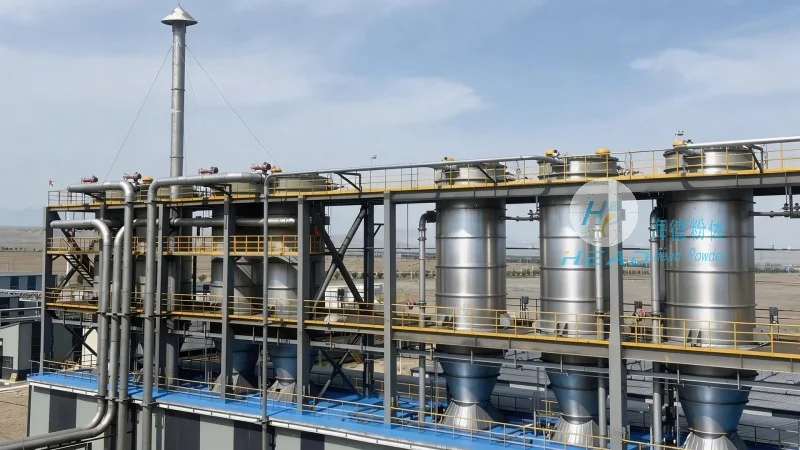
Working Scene Characteristics and Applications
The working scene characteristics of tea powder pneumatic conveying equipment are tailored to the diverse needs of tea processing facilities. These systems are commonly used in scenarios where tea powders need to be moved between different processing stages, such as from drying and grinding units to packaging areas. The equipment is particularly suitable for applications where traditional mechanical conveyors may cause contamination or damage to the fine powder particles. For example, in the production of instant tea powders, the pneumatic system can transport the powder from the grinding mill to the packaging line without the need for manual handling, reducing the risk of product contamination and improving overall production efficiency.
Advantages of Using Pneumatic Conveying for Tea Powders
There are several advantages to employing pneumatic conveying systems for tea powders. Firstly, the system provides a clean and hygienic method of transport, as the conveying line is enclosed and the air is filtered to remove any dust particles. This is essential in food processing environments where product purity is paramount. Secondly, pneumatic conveying offers high efficiency in terms of material handling, as it can transport large quantities of powder over long distances with minimal energy consumption compared to other methods. Thirdly, the system is flexible and can be easily integrated into existing production lines, allowing for modifications and expansions as the business grows. Additionally, the enclosed nature of the system helps to control dust emissions, improving workplace safety and reducing the risk of fire hazards associated with fine powders.
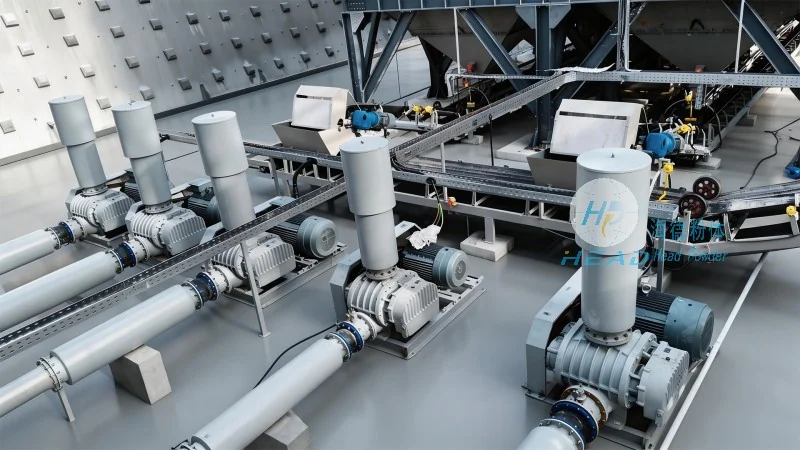
Case Study: Application in a Tea Processing Plant
Shandong HeadPowder Engineering Co., Ltd. has successfully implemented a tea powder pneumatic conveying system in a large-scale tea processing plant. The system was designed to transport freshly ground tea powder from the grinding department to the packaging line, covering a distance of approximately 50 meters. The equipment, which includes a high-efficiency fan, a rotary valve feeder, and a cyclone separator, has significantly improved the plant's production efficiency. Prior to the installation, the plant relied on manual handling of the powder, which was time-consuming and prone to contamination. With the pneumatic system in place, the plant has been able to increase its production capacity by 30% while maintaining product quality. The system has also reduced labor costs and improved workplace safety by eliminating the need for manual lifting and handling of heavy containers.
Conclusion and Future Trends
Tea powder pneumatic conveying equipment is a vital component in modern tea processing, offering efficient, hygienic, and flexible solutions for transporting fine tea powders. As the tea industry continues to evolve, the demand for advanced material handling systems will increase, and pneumatic conveying is well-positioned to meet these needs. Companies like Shandong HeadPowder Engineering Co., Ltd. are at the forefront of developing and implementing these systems, ensuring that tea producers can maintain high standards of quality and efficiency in their operations. The future of tea powder handling will likely involve further integration of automation and smart technologies, which will enhance the performance and reliability of pneumatic conveying systems.