

Principle and Working Scene Characteristics of Fully Automatic Weighing Powder Pneumatic Conveying M
Shandong HeadPowder Engineering Co., Ltd., based in Shandong, China, specializes in the design and manufacturing of advanced powder handling equipment. The fully automatic weighing powder pneumatic conveying machine is a key product in their portfolio, engineered to meet the demanding requirements of modern industrial processes. This equipment integrates precision weighing technology with efficient pneumatic conveying systems, offering a comprehensive solution for bulk powder transport and management.
Principle of Operation
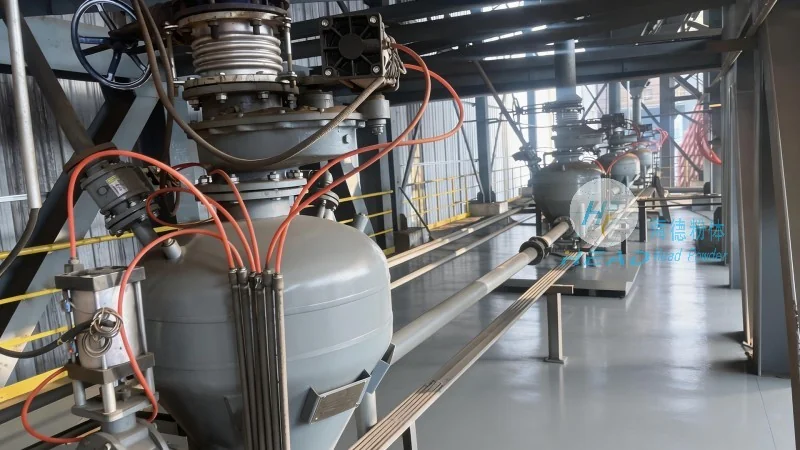
The core principle of the fully automatic weighing powder pneumatic conveying machine lies in its dual-functionality: pneumatic conveying and precise weight measurement. The system operates by using compressed air to transport bulk powders through a network of pipelines. As the powder moves, a high-precision load cell or sensor continuously monitors the weight, ensuring accurate dosage and control. The automation aspect is achieved through a programmable logic controller (PLC) that manages the entire process, from material intake to discharge, with minimal human intervention. This integration of pneumatic technology and weighing accuracy enables consistent and reliable performance across various industrial applications.
Key Components and Their Functions
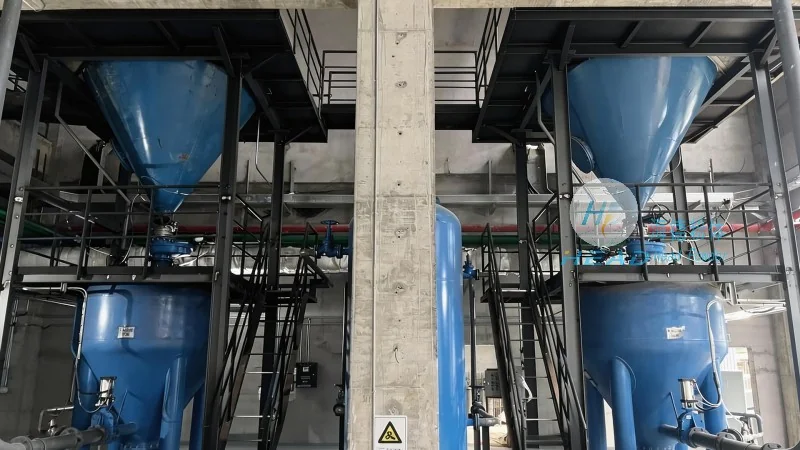
The machine comprises several critical components that work in harmony to deliver optimal performance. The hopper or feeder is the initial stage where bulk powders are stored and fed into the system. A rotary valve or feeder mechanism then controls the flow rate, ensuring a steady supply of material. The pneumatic conveying section uses a blower or compressor to generate the necessary air pressure, propelling the powder through the pipeline. The weighing module, typically integrated with a load cell, provides real-time weight data, which is crucial for process control and quality assurance. The control panel, equipped with a user-friendly interface, allows operators to set parameters, monitor the system, and receive alerts in case of deviations. Each component is designed for durability and efficiency, ensuring long-term operation with minimal maintenance.
Working Scene Characteristics and Applications
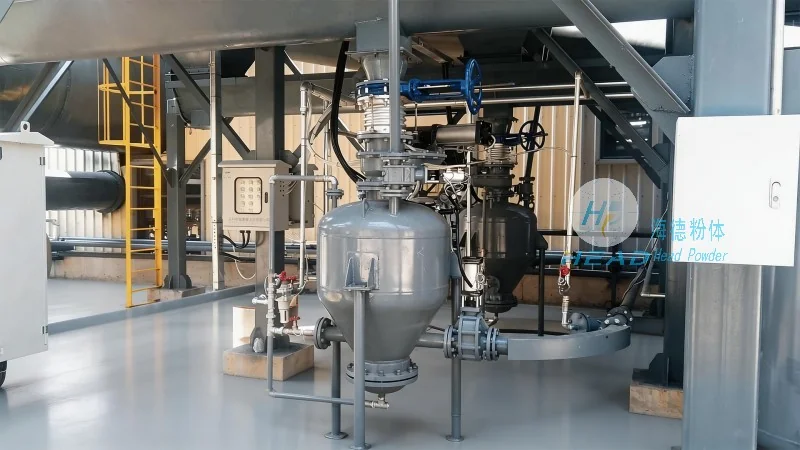
The fully automatic weighing powder pneumatic conveying machine is particularly suited for industries that require high precision and automation in powder handling. Common applications include pharmaceutical manufacturing, where accurate dosing of active ingredients is critical; food processing, such as the transport of flour, sugar, or spices; and chemical industries, where handling of various powders like pigments, catalysts, or reagents demands strict control. The machine's ability to handle different powder types, from fine to coarse, and its adaptability to various production scales make it a versatile solution. In pharmaceutical settings, for example, the system ensures that each batch of powder is weighed with extreme precision, reducing waste and improving product consistency. In food processing, it maintains hygiene standards while efficiently moving ingredients, enhancing overall production efficiency. The working scene characteristics also highlight the machine's flexibility in integrating with existing production lines, as it can be customized to fit specific space constraints and operational requirements.
Advantages and Benefits
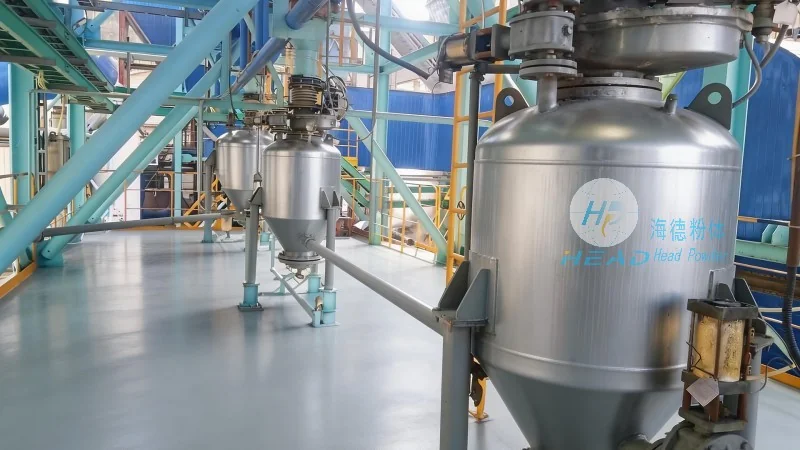
Implementing the fully automatic weighing powder pneumatic conveying machine offers numerous advantages for industrial operations. The primary benefit is the enhanced accuracy in powder weighing, which minimizes material waste and reduces the risk of product defects. The automation feature significantly reduces labor costs and human error, as the system operates consistently without fatigue. Additionally, the efficient pneumatic conveying reduces the need for manual handling, improving workplace safety and reducing the risk of dust exposure. The system's compact design allows for easy installation in various production environments, and its low maintenance requirements contribute to long-term cost savings. For companies in the pharmaceutical and food industries, where regulatory compliance is paramount, the machine's precise control and traceability features help meet stringent quality standards. Overall, the machine enhances productivity, improves product quality, and supports sustainable industrial practices by optimizing material usage and reducing environmental impact.