

Principle and Working Scene Characteristics of Bulk Bag Unloading Material Pneumatic Conveying
When it comes to efficiently handling bulk materials, especially those delivered in large ton bags, pneumatic conveying systems offer a reliable and effective solution. This article delves into the fundamental principles of bulk bag unloading material pneumatic conveying, along with the key characteristics of its working scenes, providing a comprehensive overview for industry professionals seeking to understand and implement such systems. The information is presented by Shandong HeadPowder Engineering Co., Ltd., a leading provider of material handling solutions, with a focus on practical applications and technical insights.
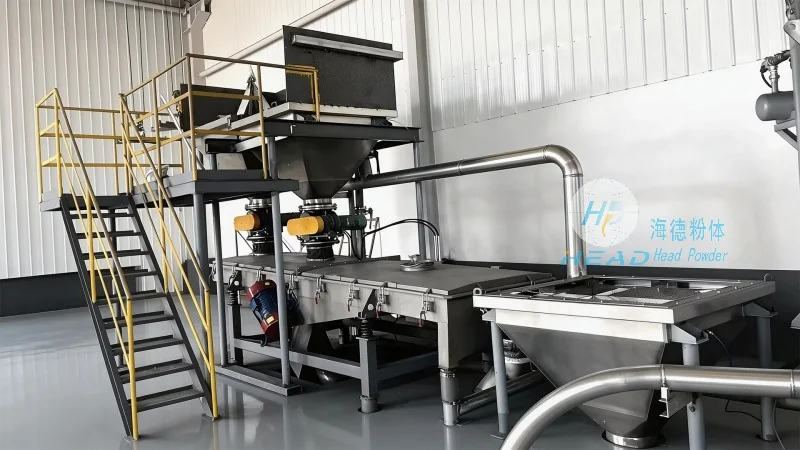
Understanding the Core Principle of Pneumatic Conveying for Bulk Bag Unloading
Pneumatic conveying systems operate by using air or gas to transport bulk materials from one location to another. In the context of bulk bag unloading, the process typically involves several key steps. First, the material is released from the ton bag into a hopper or feeder. Then, a fan or blower generates a flow of air, which draws the material particles into a pipeline. The air and material mixture travels through the pipeline to the destination point, where the material is separated from the air, often through a cyclone or filter, and deposited into a storage or processing unit. This method eliminates the need for manual handling, reduces dust exposure, and enhances safety and efficiency in material transfer. The system's design, including the type of fan, pipeline configuration, and separation equipment, is tailored to the specific characteristics of the material being conveyed, ensuring optimal performance and minimal operational issues.
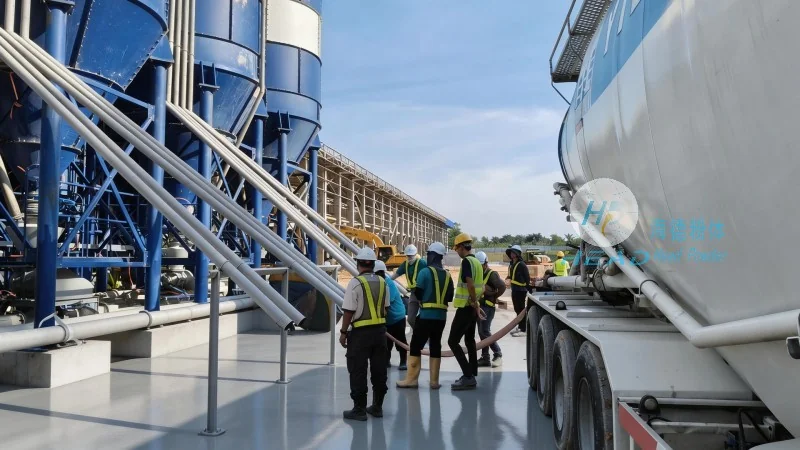
Key Working Scene Characteristics of Bulk Bag Unloading Pneumatic Conveying
The working scenes where bulk bag unloading pneumatic conveying is commonly applied exhibit distinct characteristics that make this technology particularly suitable. Firstly, the systems are often used in industrial settings where large volumes of dry or granular materials are processed, such as in chemical, food, and pharmaceutical industries. The ability to handle bulk quantities from ton bags, which can hold up to several tons of material, makes this method ideal for high-throughput operations. Secondly, the working environment often requires dust control and containment, as many bulk materials are fine powders or granules that can create airborne dust if not properly managed. Pneumatic conveying systems effectively capture and transport these materials, minimizing dust emissions and improving workplace safety. Thirdly, the systems are designed for flexibility and adaptability, allowing for easy integration with existing production lines and the ability to transport materials over varying distances and heights. This adaptability is crucial in manufacturing facilities where space constraints and layout changes are common. Additionally, the systems are generally low-maintenance and can operate continuously, ensuring consistent material flow and reducing downtime in production processes. The working scenes also highlight the importance of scalability, as these systems can be expanded or modified to accommodate increasing production demands without significant disruptions.
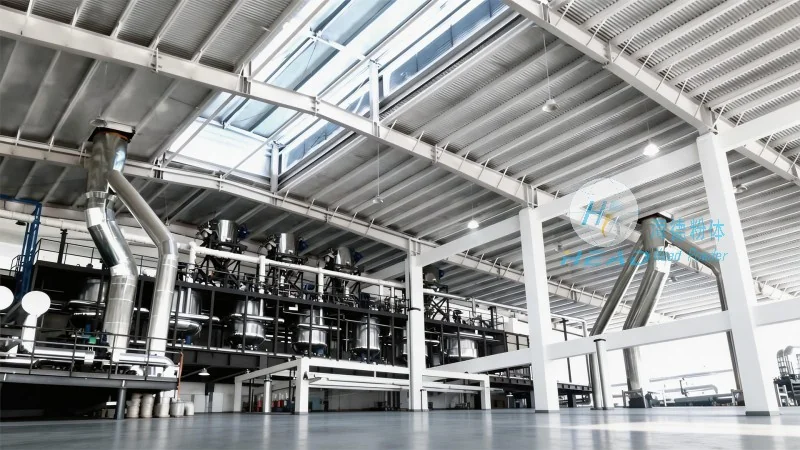
Applications and Benefits in Specific Industries
Bulk bag unloading pneumatic conveying systems find extensive applications across various industries, each benefiting from the unique advantages of this technology. In the chemical industry, for instance, these systems are used to handle raw materials like powders and granules, which are often delivered in bulk bags. The pneumatic conveying process ensures safe and efficient transfer of these materials, preventing contamination and maintaining product quality. Similarly, in the food and beverage industry, where hygiene and product purity are paramount, pneumatic conveying systems are employed to transport ingredients such as flour, sugar, and other dry food products. The enclosed nature of the system prevents cross-contamination and maintains the integrity of the food materials. In the pharmaceutical industry, the systems are used to handle active pharmaceutical ingredients (APIs) and other sensitive materials, where dust control and contamination prevention are critical. The ability to handle these materials in a clean and controlled environment ensures compliance with regulatory standards and product safety. Beyond these industries, the systems are also utilized in the mining and construction sectors for transporting bulk materials like sand, gravel, and cement, where the high volume and durability of the system are advantageous. The benefits of reduced labor costs, improved safety records, and enhanced operational efficiency make pneumatic conveying a preferred choice for companies dealing with bulk materials.