

Principle and Working Scene Characteristics of High-Pressure Bin Pump Material Pneumatic Conveying
High-pressure bin pumps represent a sophisticated technology in the field of material handling, designed to efficiently transport bulk materials through pneumatic systems. This method, often referred to as high-pressure pneumatic conveying, leverages compressed air to move powders, granules, and other particulate materials from a storage bin or hopper to a destination point, such as a processing unit or a storage silo. The core of this technology lies in the high-pressure bin pump, which is engineered to handle various material types with precision and reliability, making it a preferred solution in industries where material transport needs to be both efficient and controlled.
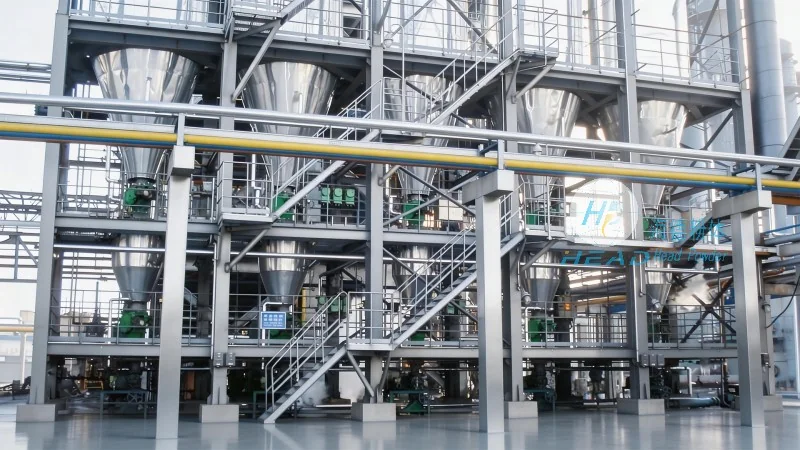
Core Principle of High-Pressure Bin Pump Operation
The fundamental principle behind high-pressure bin pump material conveying is the generation of high-pressure air within the pump chamber. When the pump is activated, compressed air is introduced into the chamber, creating a pressure differential that forces the material to move through the conveying line. The pump typically operates in a pulsating or continuous mode, depending on the system design and material characteristics. The high-pressure air not only propels the material but also helps to break up agglomerates and maintain a consistent flow, ensuring that the material reaches the destination without clogging or loss of performance. This principle allows for the transport of materials over considerable distances and at varying heights, making it suitable for complex industrial layouts.
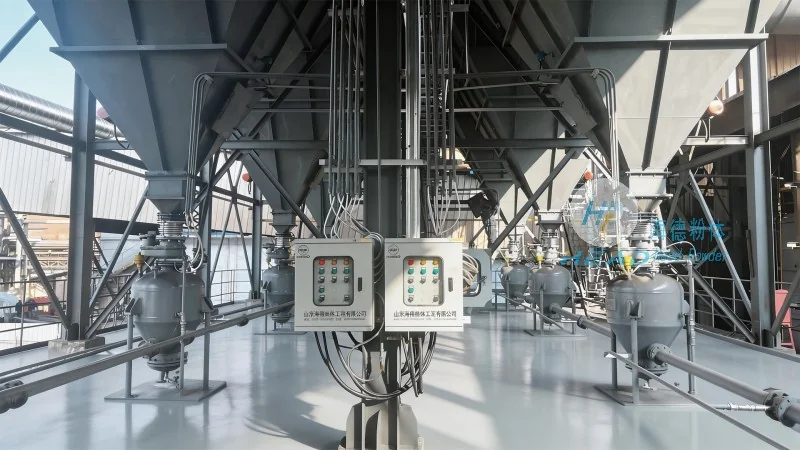
Key Working Scene Characteristics
High-pressure bin pumps are particularly suited for specific working environments and applications. One of the primary characteristics is their ability to handle a wide range of material properties, including fine powders, coarse granules, and even sticky or abrasive materials. This versatility makes them ideal for industries such as pharmaceuticals, food processing, chemicals, and mining, where material characteristics vary significantly. Another key characteristic is the system's compact design and relatively low space requirements, which is advantageous in facilities with limited floor space. Additionally, the high-pressure bin pump system can be integrated with existing infrastructure, allowing for seamless upgrades or additions to current material handling setups. The operational flexibility of these pumps also enables them to be used in both continuous and batch operations, adapting to the varying demands of production processes.
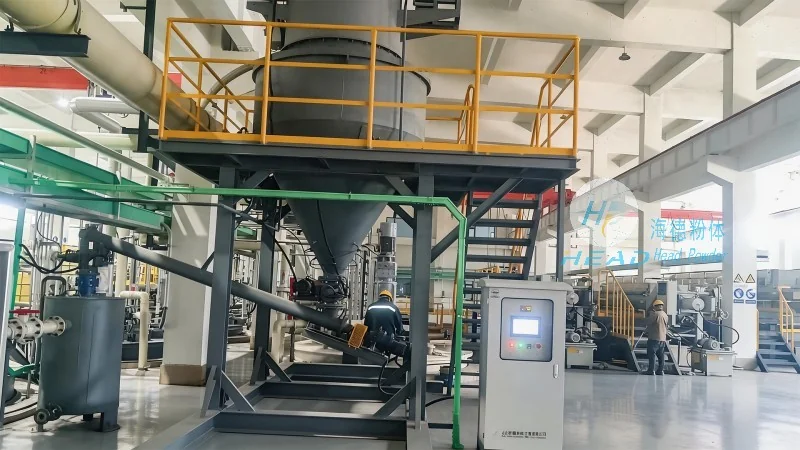
Application Scenarios and Industry Use Cases
High-pressure bin pumps find extensive application in various industrial settings. In the pharmaceutical industry, for instance, they are used to transport active pharmaceutical ingredients (APIs) and other fine powders with strict contamination control measures. The system's ability to maintain a sterile environment and prevent material degradation is crucial in such applications. In the food processing sector, high-pressure bin pumps are employed to handle dry ingredients like flour, sugar, and spices, ensuring that the materials are conveyed without moisture or temperature changes that could affect product quality. The chemical industry also benefits from high-pressure bin pumps when transporting chemicals, including powders and granules, where safety and material integrity are paramount. Furthermore, in mining and mineral processing, these pumps are used to move raw materials from storage bins to processing equipment, enhancing the efficiency of material handling in large-scale operations.
Advantages and Performance Metrics
High-pressure bin pump material conveying systems offer several advantages over traditional material handling methods. One of the most significant benefits is the reduction in labor costs and operational downtime, as the system can operate continuously with minimal maintenance. The high-pressure design also minimizes the risk of material clogging, which is a common issue in low-pressure pneumatic conveying systems. Additionally, the system's energy efficiency is enhanced by the optimized pressure control, leading to lower operational costs over time. Performance metrics such as conveying capacity, pressure drop, and material velocity are carefully engineered to meet the specific requirements of each application, ensuring optimal performance. The reliability of high-pressure bin pumps is further enhanced by their robust construction, which is designed to withstand the rigors of continuous operation in demanding industrial environments.
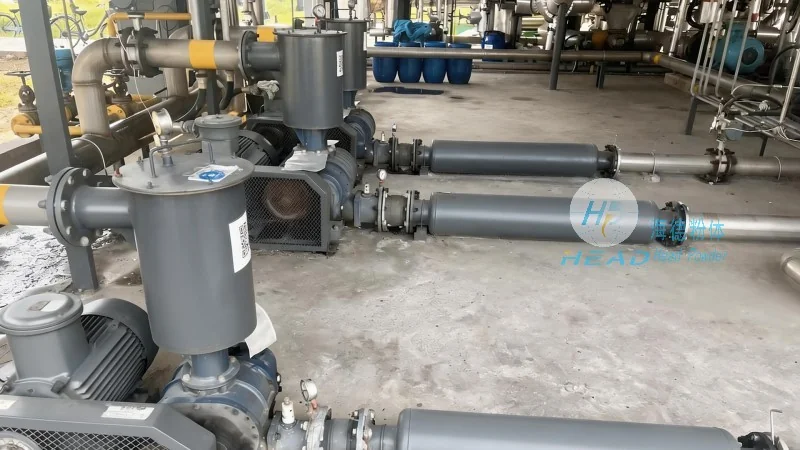
Conclusion and Company Overview
High-pressure bin pump material pneumatic conveying is a highly effective and versatile solution for modern material handling needs. Its ability to transport a wide range of materials efficiently and reliably makes it an indispensable technology in various industries. As a leading provider in this field, Shandong HeadPowder Engineering Co., Ltd. specializes in designing and manufacturing high-quality high-pressure bin pump systems tailored to meet the unique requirements of each client. With a focus on innovation and customer satisfaction, HeadPowder has established itself as a trusted partner in the material handling industry, delivering solutions that enhance operational efficiency and productivity. Based in Shandong, China, HeadPowder leverages its expertise and advanced technology to provide comprehensive material handling solutions that meet the highest standards of performance and reliability.