

Principle and Working Scene Characteristics of Gray Bin Material Pneumatic Conveying Systems
HeadPowder Engineering Co., Ltd., a leading provider of industrial material handling solutions, specializes in the design, manufacturing, and implementation of advanced pneumatic conveying systems. Based in Shandong, China, the company leverages over two decades of expertise to deliver efficient and reliable systems tailored to diverse industrial applications. This article explores the fundamental principles of pneumatic conveying systems, particularly those used for material handling from gray bins, and highlights key working scene characteristics that define their effectiveness in various operational environments.
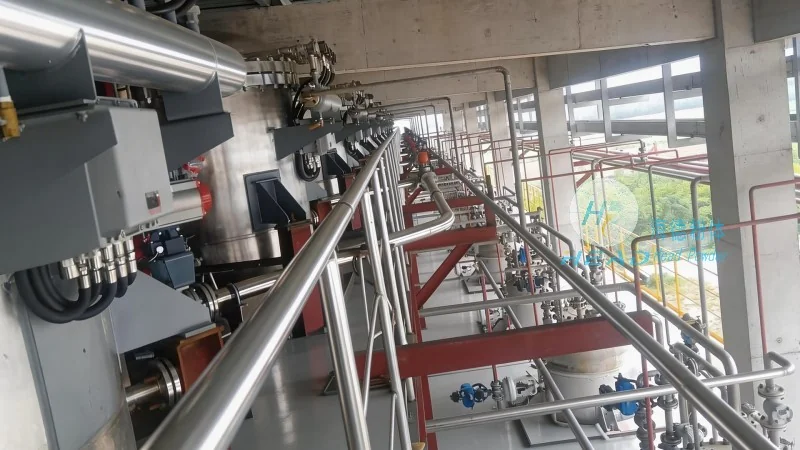
Introduction to Pneumatic Conveying Systems for Material Handling
Pneumatic conveying systems represent a critical technology in modern industrial material handling, enabling the efficient transport of bulk materials through a network of pipes using air or gas as the primary motive force. Unlike traditional mechanical conveyors, which rely on physical components like belts or screws, pneumatic systems utilize the principles of fluid dynamics to move materials, offering advantages such as flexibility, scalability, and the ability to handle a wide range of materials, including powders, granules, and fine particles. For applications involving gray bins—commonly used in industries like cement, chemicals, and food processing—these systems provide a seamless solution for transferring materials from storage to processing or packaging units. The integration of such systems into gray bin operations enhances workflow efficiency, reduces manual handling, and minimizes the risk of material contamination.
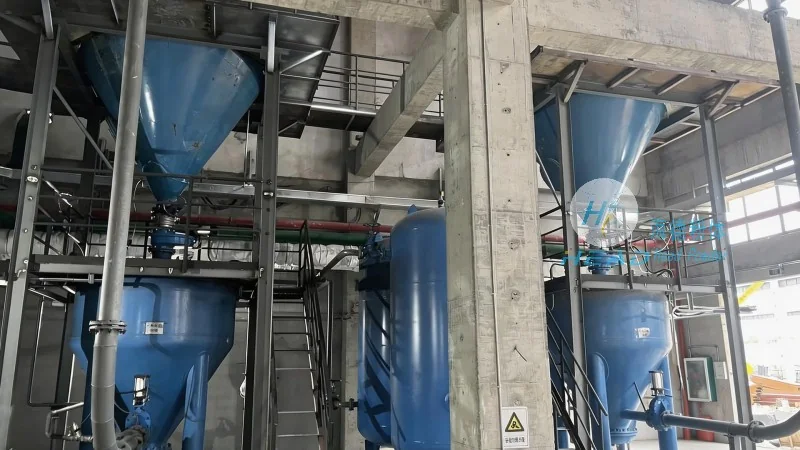
Principle of Pneumatic Conveying Systems
The core principle of pneumatic conveying systems revolves around the interaction between material particles and a moving air stream. In a typical setup, material is introduced into a hopper or bin, where it is then drawn or pushed into a pipeline by a fan or blower. The air, moving at high velocity, creates a pressure differential that propels the material forward. There are two primary modes of operation: positive pressure (or pressure) systems, where air is blown into the system to push material through, and negative pressure (or vacuum) systems, where air is drawn out to pull material. The choice between these modes depends on factors such as material properties, required distance, and system complexity. For gray bin applications, positive pressure systems are often preferred due to their ability to handle abrasive or sticky materials without causing excessive wear on components. The system's design incorporates features like airlocks and surge hoppers to ensure a consistent flow of material, preventing blockages and maintaining system stability.
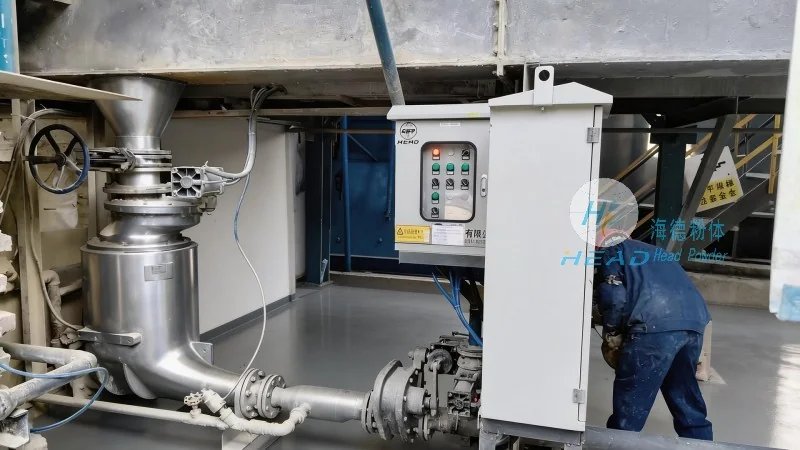
Key Working Scene Characteristics
The effectiveness of pneumatic conveying systems in gray bin scenarios is defined by several key characteristics that optimize performance and adaptability. First, the system's ability to handle diverse material types is crucial. Gray bins typically store materials like cement, fly ash, or industrial powders, which may vary in particle size, density, and flowability. Pneumatic systems are designed to accommodate these variations by adjusting air velocity, pressure, and pipeline diameter to ensure smooth transport. Second, the system's scalability is a significant advantage. Whether transporting materials over short distances within a facility or long distances between buildings, the modular design of pneumatic systems allows for easy expansion or reconfiguration without major infrastructure changes. This flexibility is particularly valuable in dynamic industrial environments where production needs may shift over time. Additionally, the system's ability to operate in various environmental conditions, including temperature and humidity variations, makes it suitable for outdoor or indoor applications.
Efficiency and Maintenance Considerations
Efficiency is a primary consideration when evaluating pneumatic conveying systems for gray bin applications. These systems are engineered to minimize energy consumption while maximizing material throughput. By optimizing air flow rates and pipeline design, companies can achieve high transfer rates with lower operational costs. For example, the use of high-efficiency fans and optimized pipeline layouts reduces energy waste, contributing to cost savings and environmental sustainability. Additionally, the design of components such as hoppers, cyclones, and filters plays a critical role in maintaining system efficiency. Well-designed hoppers ensure consistent material feed, while cyclones effectively separate material from air, preventing clogging and reducing maintenance needs. Regular maintenance, including cleaning of filters and checking for air leaks, is essential to sustain optimal performance and extend the lifespan of the system. HeadPowder Engineering Co., Ltd. provides comprehensive maintenance services to ensure clients maintain peak system performance.
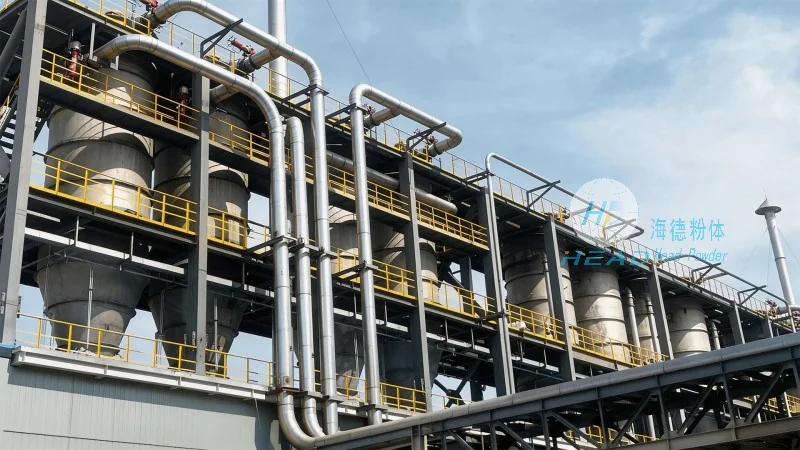
Application Examples in Industrial Settings
The practical application of pneumatic conveying systems in gray bin scenarios can be observed across various industries. In the cement industry, for instance, these systems are used to transfer raw materials from storage silos to grinding mills, ensuring a continuous and efficient supply chain. The system's ability to handle large volumes of cement powder and maintain consistent flow rates is critical for maintaining production output. In chemical plants, they facilitate the movement of powdered reagents from storage bins to reactors, maintaining process integrity and safety. Even in the food processing sector, where material handling must adhere to strict hygiene standards, pneumatic systems are employed to transport ingredients like flour or sugar from storage to production lines. The systems are designed with stainless steel components and advanced filtration to meet sanitary requirements, ensuring product quality and compliance with industry regulations. These applications demonstrate the versatility and reliability of pneumatic conveying systems in diverse industrial contexts.