

Principle and Working Scene Characteristics of Straw Ash Material Pneumatic Conveying Lines
Straw ash material pneumatic conveying lines represent a critical advancement in material handling technology, particularly for applications involving fine particulate materials like straw ash. These systems offer a highly efficient and low-maintenance solution for transporting materials over short to medium distances, often outperforming traditional mechanical conveyors in terms of cleanliness and operational simplicity. The core functionality of these lines is rooted in the principles of pneumatic transport, which leverage air flow to move material particles through a sealed pipeline network. This approach is especially advantageous for straw ash, a lightweight and often dusty byproduct of agricultural and industrial processes, as it minimizes material degradation and environmental contamination.

Principle of Pneumatic Conveying for Straw Ash
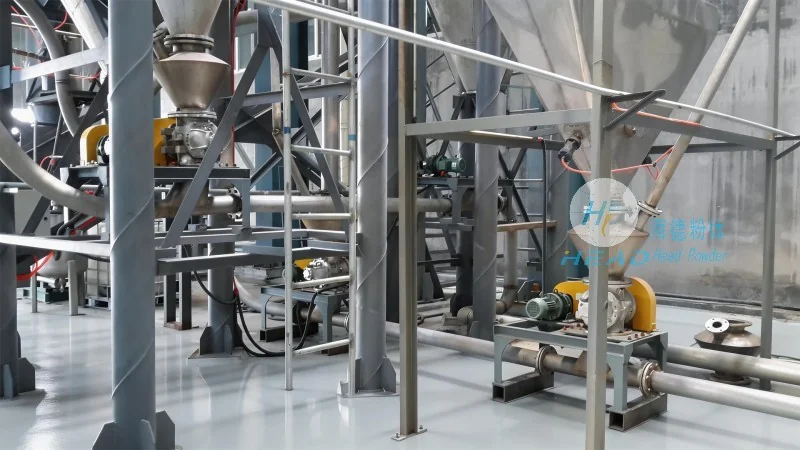
The fundamental principle behind straw ash pneumatic conveying is the creation of a controlled air flow that propels material particles through a pipeline. This process can be classified into dilute phase and dense phase conveying, with dilute phase systems being more common for straw ash due to their efficiency in handling fine powders. Dilute phase systems operate at higher air velocities, typically maintaining particles in a suspended state within the air stream. The system comprises several key components: a blower or compressor to generate the necessary air pressure, a feeder (such as a rotary valve or star feeder) to introduce the material into the air flow, a pipeline network to transport the material, and a receiver or separator to collect the material at the destination. The air flow is regulated by valves and pressure controls to ensure consistent material transport and prevent blockages or backflow. The material is introduced into the pipeline at a controlled rate, ensuring a steady mixture of air and particles. As the mixture travels through the pipeline, the air velocity is maintained above the minimum required to keep particles suspended, preventing settling or clogging. At the receiving end, a cyclone or separator unit separates the material from the air, allowing the material to be discharged into a storage bin or processing equipment. The air is then filtered and either recirculated or released, depending on the system design.
Working Scene Characteristics
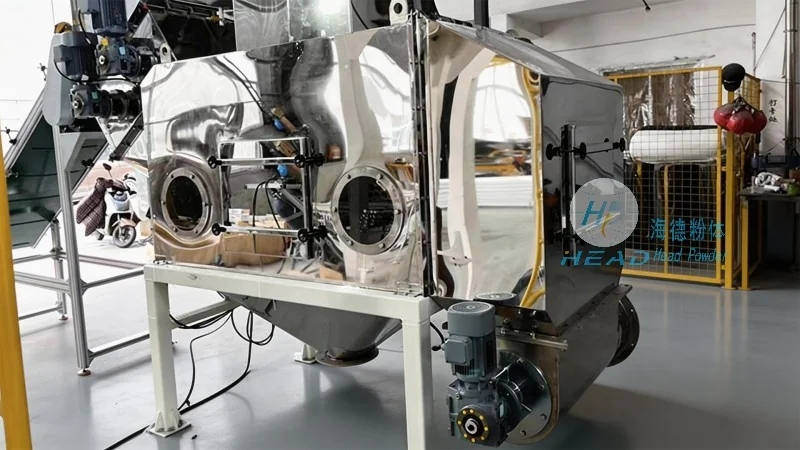
The working scene characteristics of straw ash pneumatic conveying lines are tailored to the specific demands of agricultural and industrial environments. These systems are commonly integrated into biomass processing facilities, where straw ash is a byproduct of combustion processes used for energy generation or soil amendment. A key advantage of pneumatic conveying in these settings is its ability to handle fine, dusty materials without mechanical contact, reducing wear on equipment and minimizing the risk of material contamination. In agricultural applications, straw ash may be used as a soil conditioner or fuel source, requiring the conveying system to accommodate varying moisture content and particle size. The system is often part of a larger processing line that includes grinders, classifiers, or storage silos, necessitating a layout that minimizes bends and directional changes to maintain material flow efficiency. The working environment may involve high temperatures or dust concentrations, demanding materials resistant to corrosion and wear, such as stainless steel or specialized alloys. The system is typically operated continuously or in batch mode, controlled by a programmable logic controller (PLC) to optimize performance and energy use. Additionally, the design must account for safety considerations, including dust explosion prevention measures and proper ventilation, to ensure compliance with industrial standards.
Company Information
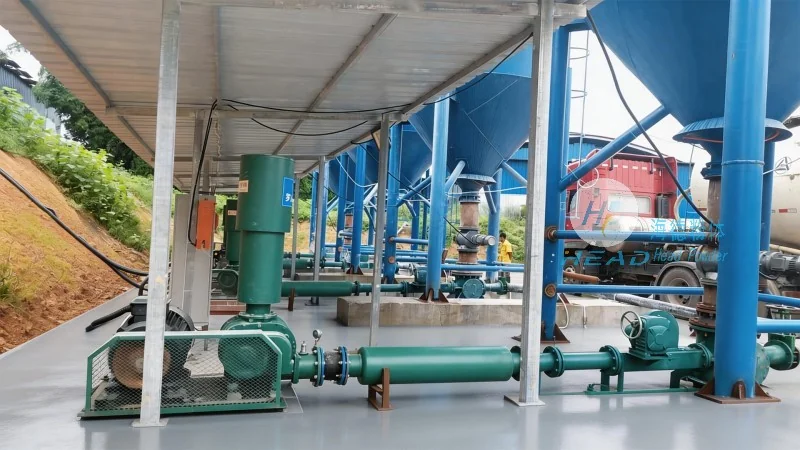
HeadPowder, a leading manufacturer of material handling solutions, specializes in designing and supplying pneumatic conveying systems for diverse applications, including straw ash transport. HeadPowder, formally known as Shandong HeadPowder Engineering Co., Ltd., is headquartered in Shandong, China, and serves clients globally with customized solutions that enhance operational efficiency and reduce costs. The company’s engineering team leverages advanced technology and industry expertise to develop tailored systems that meet the unique requirements of each project. HeadPowder’s commitment to quality is reflected in its adherence to international standards and rigorous testing protocols, ensuring durability and reliability. The company’s products are engineered for low maintenance, energy efficiency, and long-term performance, providing customers with a sustainable solution for material handling challenges. Whether for small-scale agricultural operations or large-scale industrial facilities, HeadPowder offers a comprehensive range of pneumatic conveying systems that are built to withstand the demands of straw ash processing, delivering consistent and reliable performance.