

Operation Process and Working Principle of Lithium-Ion Battery Positive Electrode Powder Conveying
Shandong HeadPowder Engineering Co., Ltd., commonly known as HeadPowder, specializes in advanced solutions for lithium-ion battery production, with a focus on efficient and reliable powder conveying systems for positive electrode materials. The company's expertise lies in optimizing the handling of fine powders, which are critical components in the manufacturing of lithium-ion batteries. This article explores the operation process and working principles of the positive electrode powder conveying system, highlighting the technical aspects and operational efficiency that define modern battery production.

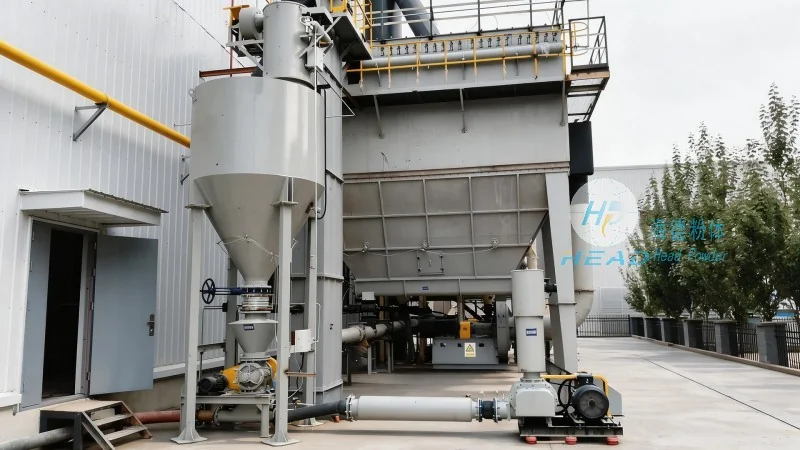
Operation Process of Positive Electrode Powder Conveying
The operation process of the positive electrode powder conveying system involves several key steps designed to ensure precise and consistent material handling. Initially, the raw positive electrode powder is stored in bulk containers or silos. From there, the powder is transferred to a feeding hopper equipped with a rotary valve or feeder that controls the flow rate. The feeder regulates the quantity of powder released into the conveying line, which may include pneumatic or mechanical conveying methods. Pneumatic conveying systems use compressed air to transport the fine powder through pipes, while mechanical systems employ screw conveyors or belt conveyors for bulk material movement. The conveying line is typically designed with multiple sections, including straight runs, bends, and expansion joints to accommodate the material's flow characteristics. At the receiving end, the powder is deposited into a storage tank or directly into the mixing and coating equipment used in the battery production line. Each step is monitored by sensors and control systems to maintain consistent flow rates and prevent blockages or material loss. The entire process is automated, allowing for real-time adjustments based on production demands and ensuring high throughput with minimal human intervention.
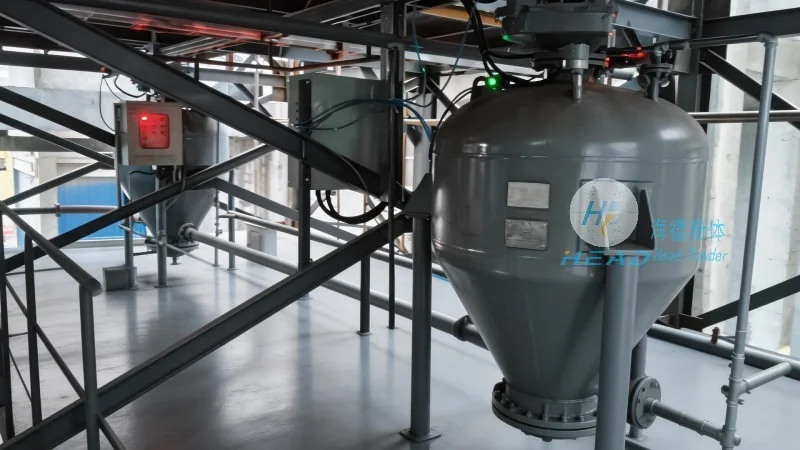
Working Principle of Positive Electrode Powder Conveying
The working principle of the positive electrode powder conveying system is based on the physics of material flow and the mechanics of conveying equipment. For pneumatic conveying, the system relies on the Bernoulli principle, where compressed air creates a pressure differential that propels the powder particles through the pipeline. The air velocity is carefully controlled to ensure that the powder remains suspended and moves efficiently without causing excessive wear on the system components. The design of the conveying line, including pipe diameter, length, and angle, is optimized to minimize pressure drop and energy consumption. Mechanical conveying systems, such as screw conveyors, utilize rotational motion to push the powder along the conveyor. The screw's pitch and speed determine the conveying capacity, while the material's bulk density and flowability influence the system's performance. In both pneumatic and mechanical systems, the control system plays a crucial role in maintaining stable operation. Sensors detect the flow rate, pressure, and temperature, and the control unit adjusts the air supply or motor speed accordingly. This closed-loop control ensures that the system operates within optimal parameters, preventing issues like clogging or overloading. The working principle also considers the material's properties, such as particle size, moisture content, and electrostatic charge, as these factors can affect the conveying efficiency and system reliability. Proper handling of these properties is essential to maintain the quality of the positive electrode powder and ensure consistent battery performance.
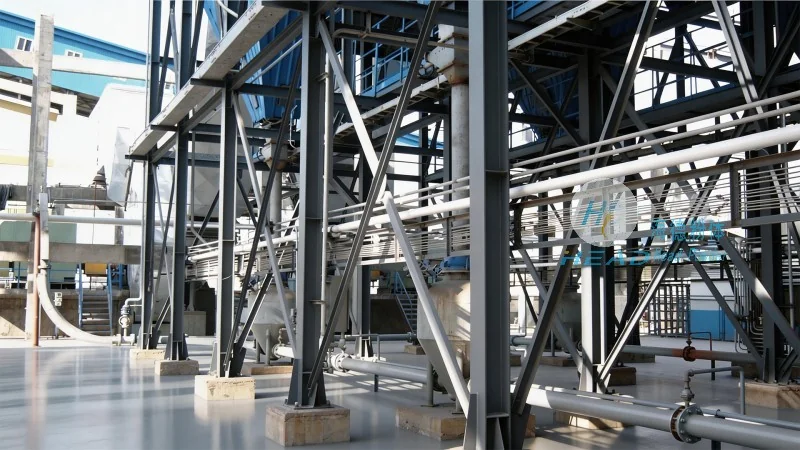
Company's Expertise and Application
Shandong HeadPowder Engineering Co., Ltd. leverages its engineering expertise to design and implement customized positive electrode powder conveying solutions tailored to the specific needs of lithium-ion battery manufacturers. The company's team of engineers conducts thorough analysis of production requirements, including material types, production capacity, and operational environment, to develop optimal conveying systems. By integrating advanced control technologies and robust equipment, HeadPowder ensures that its systems deliver high reliability and low maintenance costs. The company's solutions are designed to meet industry standards for safety and efficiency, with features such as dust suppression, explosion-proofing, and energy-efficient operation. These systems are installed in battery production facilities across China, where they contribute to improved production throughput and product quality. The company's commitment to innovation and customer satisfaction has established it as a leading provider of powder handling solutions in the lithium-ion battery sector.