

Operation Process and Working Principle of Graphite Electrode Powder Conveying Line
Graphite electrode powder conveying lines are critical components in the production and processing of graphite electrodes, ensuring efficient and safe material handling from raw powder to finished electrode products. The system integrates advanced engineering solutions to manage the unique properties of graphite powder, such as its high conductivity, thermal stability, and abrasive nature. This article provides a detailed overview of the operation process and working principle of such lines, highlighting the expertise of Shandong HeadPowder Engineering Co., Ltd., a leading manufacturer in the field.
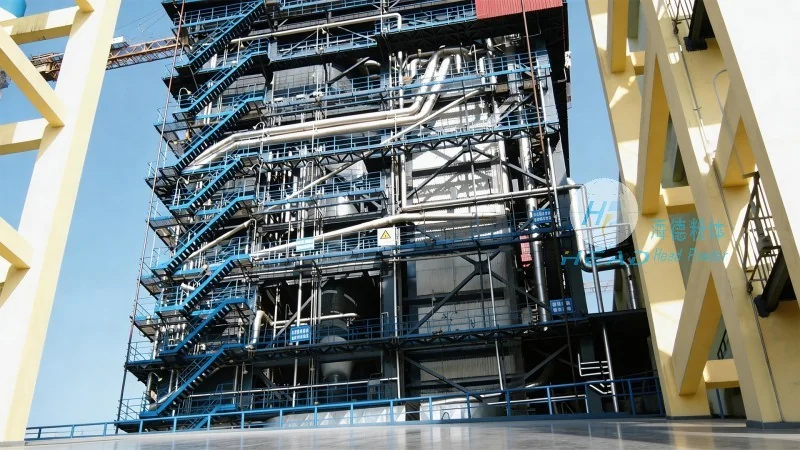
Company Introduction
Shandong HeadPowder Engineering Co., Ltd., commonly known as HeadPowder, is a professional enterprise specializing in the research, development, and manufacturing of high-quality powder conveying systems. With a strong focus on innovation and customer-centric solutions, HeadPowder has established itself as a trusted partner for industries requiring reliable and efficient powder handling solutions. The company is headquartered in Shandong, China, and leverages decades of experience to deliver tailored solutions that meet the specific needs of clients in the graphite, battery, and other powder processing sectors.
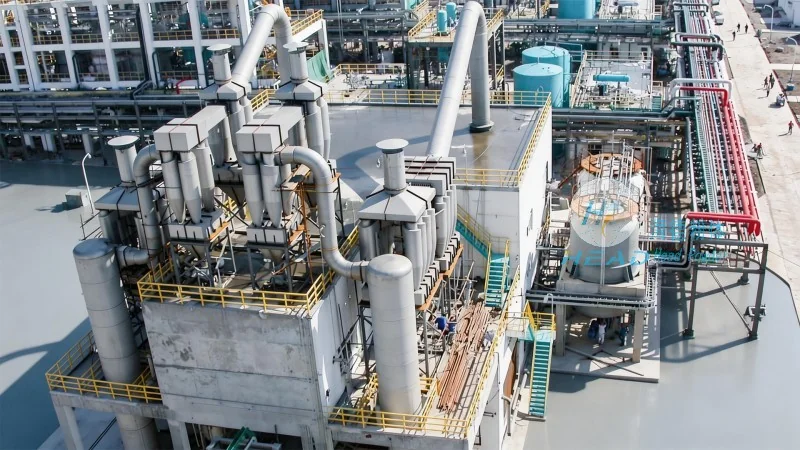
The Operation Process of the Graphite Electrode Powder Conveying Line
The operation process of a graphite electrode powder conveying line typically involves several key stages, each designed to ensure optimal material flow and minimal loss. The process begins with the raw graphite powder being fed into the system, often from bulk storage silos or hopper bins. The powder is then transported through a series of components, including feeders, conveyors, and control systems, to the processing or manufacturing stage. The conveying line may incorporate pneumatic or mechanical systems, depending on the specific requirements of the application. For example, pneumatic conveying systems use air pressure to move the powder, while mechanical systems rely on screw conveyors or belt conveyors for material transport. The process is carefully controlled to maintain consistent flow rates, prevent clogging, and ensure the powder remains in a dry and stable state throughout the conveying process. At each stage, sensors and monitoring equipment are used to track the powder level, flow rate, and system performance, allowing for real-time adjustments to maintain optimal operation.
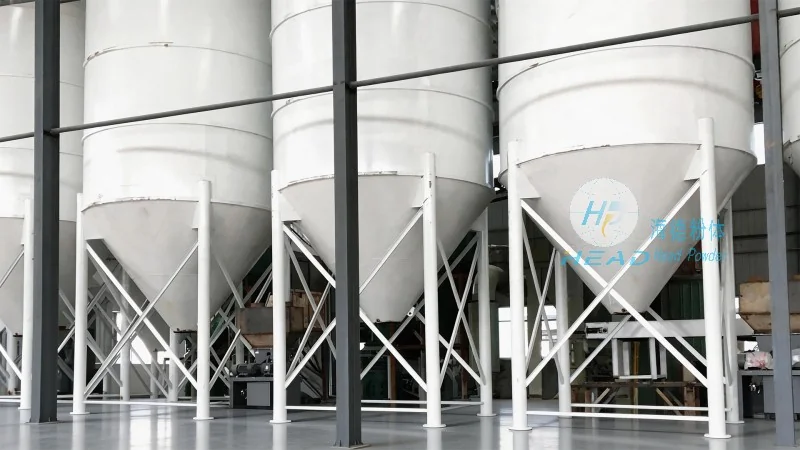
Working Principle of the Graphite Electrode Powder Conveying Line
The working principle of a graphite electrode powder conveying line is based on the efficient transfer of bulk material from one location to another while preserving the material's quality and integrity. The system operates by utilizing a combination of mechanical and pneumatic components to move the powder. In mechanical conveying systems, such as screw or belt conveyors, the powder is moved by rotating screws or moving belts that push the material forward. The design of these components is critical to prevent material degradation, such as caking or agglomeration, which can occur due to the high moisture content or cohesive properties of graphite powder. Pneumatic conveying systems, on the other hand, use compressed air to create a flow of air and powder through a pipeline. The air pressure is carefully controlled to ensure the powder is transported without excessive pressure drop or particle breakage. The system may also include features like cyclones or filters to separate the powder from the air stream, ensuring that the powder is collected in a clean and dry state. The control system plays a vital role in coordinating the operation of all components, maintaining consistent flow rates, and responding to any changes in the system's performance or material characteristics.
Key Features and Technical Specifications
Graphite electrode powder conveying lines from HeadPowder are equipped with several key features that enhance their performance and reliability. These include advanced control systems with real-time monitoring capabilities, which allow operators to track the system's performance and make adjustments as needed. The conveying lines are designed to handle high volumes of graphite powder while maintaining low energy consumption and minimal maintenance requirements. The materials used in the construction of the system components, such as stainless steel or special alloys, are chosen to resist corrosion and wear from the abrasive nature of graphite powder. The system also incorporates safety features, such as pressure relief valves and emergency stop buttons, to ensure safe operation in industrial environments. Technical specifications of the conveying lines may vary based on the specific application, but typically include parameters like maximum conveying capacity, pressure drop, and power consumption. For example, a typical system may have a conveying capacity of up to 50 tons per hour, with a pressure drop of less than 0.5 bar, and a power consumption of around 10 kW for a 100-meter conveying distance.
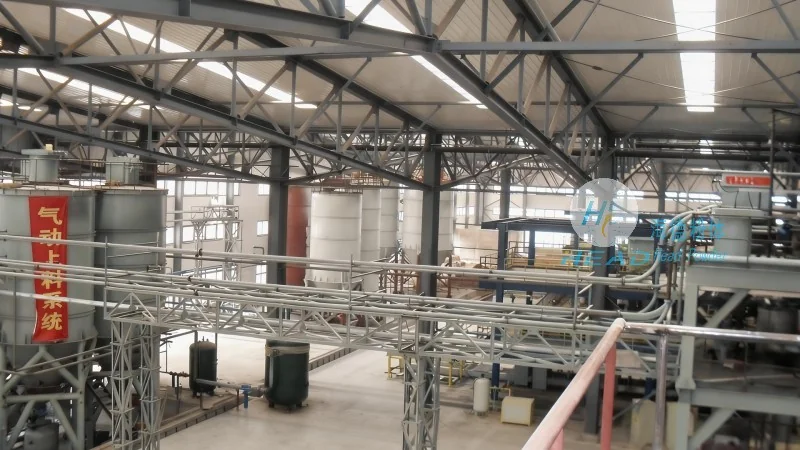
Application Scenarios and Benefits
The graphite electrode powder conveying lines are widely used in various industrial applications, particularly in the production of graphite electrodes for the steel and aluminum industries. The system is also applicable in the battery manufacturing sector, where high-purity graphite powder is used as an anode material. The benefits of using a specialized conveying line include improved efficiency in material handling, reduced labor costs, and enhanced product quality. By ensuring consistent and controlled flow of graphite powder, the system minimizes material loss and contamination, leading to higher yields and better product consistency. Additionally, the automated control systems reduce the risk of human error and improve safety in the workplace. The use of advanced materials and design in the conveying line also extends the system's lifespan and reduces maintenance costs over time. Overall, the graphite electrode powder conveying line is a critical investment for industries that require reliable and efficient powder handling solutions, enabling them to meet production demands while maintaining high standards of quality and safety.