

Operation Process and Working Principle of Rare Earth Material Handling System Equipment
Shandong HeadPowder Engineering Co., Ltd., a professional manufacturer based in China, specializes in the design, development, and production of advanced rare earth material handling systems. The company's headquarters is located in Shandong, China, where it leverages local industrial resources and expertise to deliver high-quality solutions for the rare earth industry. This article provides a detailed overview of the operation process and working principle of the rare earth material handling system equipment, highlighting key components, operational procedures, and technical aspects that ensure efficient and reliable material transport.
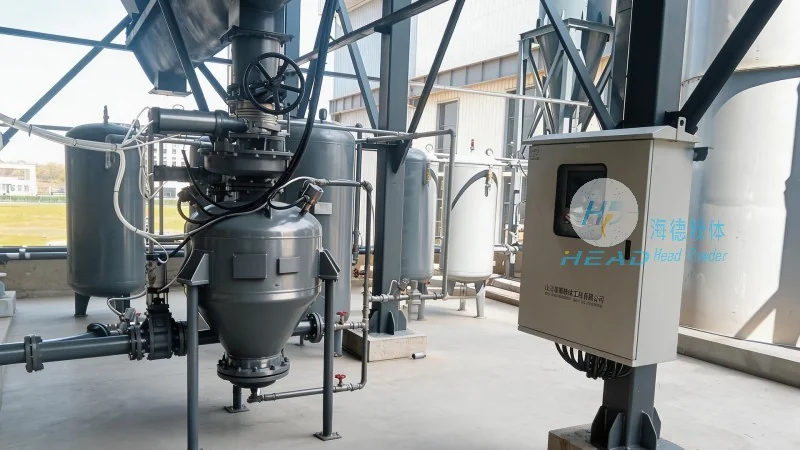
Key Components of the Rare Earth Material Handling System
The rare earth material handling system typically consists of several core components that work in tandem to facilitate the movement of rare earth materials. These components include conveyor belts, feeding mechanisms, control systems, and safety devices. Each component is engineered to meet the specific requirements of handling rare earth materials, which often involve high precision, low contamination, and efficient throughput. The conveyor belts are designed with durable materials that can withstand the abrasive nature of rare earth powders and particles. Feeding mechanisms, such as screw feeders or vibratory feeders, ensure uniform material flow into the system. The control system, equipped with advanced sensors and automation technology, monitors and regulates the entire process, ensuring optimal performance and minimizing downtime. Safety devices, including emergency stop buttons and overload protection, are integrated to safeguard operators and equipment from potential hazards.
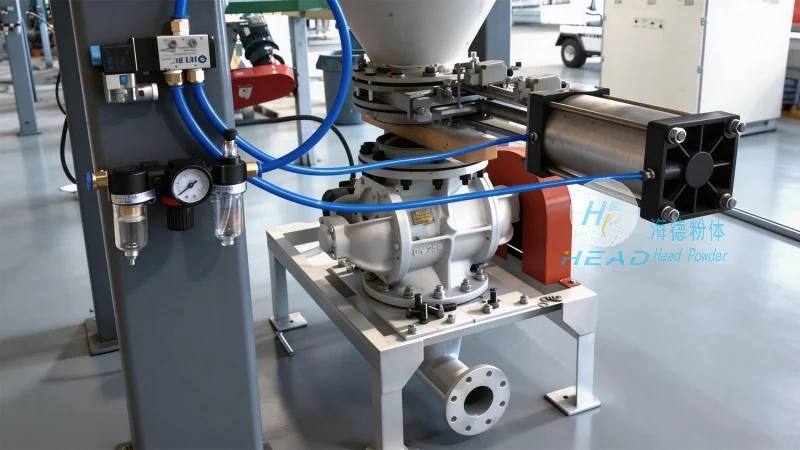
Operation Process of the Rare Earth Material Handling System
The operation process of the rare earth material handling system begins with the loading of raw rare earth materials into the feeding hopper. The feeding mechanism then gradually releases the material into the conveyor belt, which transports it to the processing or storage area. The conveyor system is equipped with adjustable speed controls, allowing operators to modulate the material flow rate based on production demands. As the material moves along the conveyor, it may pass through additional processing stages, such as screening or mixing, depending on the specific application. The control system continuously monitors parameters like material level, speed, and temperature, providing real-time feedback to adjust the operation as needed. Once the material reaches the end of the conveyor, it is discharged into the designated container or processing unit. The entire process is automated, reducing the need for manual intervention and enhancing operational efficiency. Regular maintenance checks are performed to ensure all components function correctly, maintaining the system's reliability and longevity.
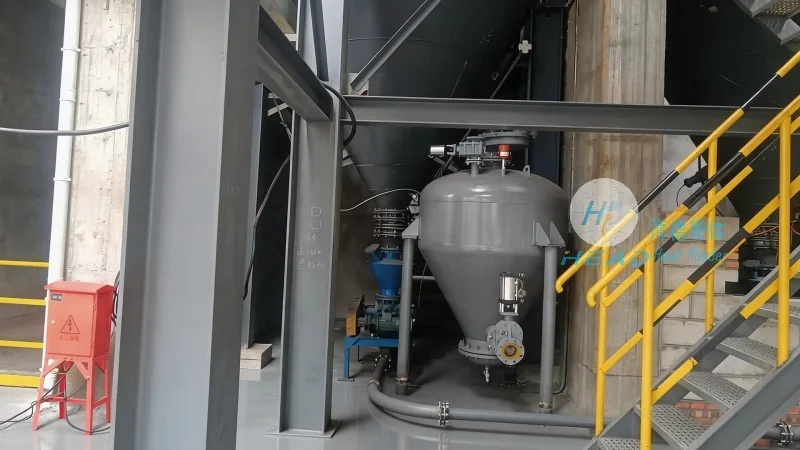
Working Principle of the Rare Earth Material Handling System
The working principle of the rare earth material handling system is based on mechanical and electrical engineering principles, focusing on the efficient transport of rare earth materials. The core mechanism involves the use of conveyor belts, which are driven by electric motors to move the material from one location to another. The feeding mechanism, such as a screw or vibratory feeder, controls the rate at which material is introduced into the system, ensuring a steady flow. The control system, integrated with sensors, monitors the material level in the hopper and adjusts the feeding rate accordingly to prevent overfilling or underfilling. Safety sensors are also incorporated to detect obstructions or blockages in the conveyor, triggering an automatic stop to prevent damage to the equipment or material. The system operates in a closed loop, where the output of one stage feeds into the next, creating a seamless flow of material. This closed-loop operation ensures minimal material loss and maximizes the overall throughput of the system. The design of the system prioritizes precision and reliability, making it suitable for applications that require consistent and high-quality material handling, such as in rare earth processing plants.
Technical Specifications and Performance Features
The rare earth material handling system offered by Shandong HeadPowder Engineering Co., Ltd. is engineered with advanced technical specifications to meet the demanding requirements of the rare earth industry. Key performance features include high material throughput, low energy consumption, and minimal material degradation. The system is designed to handle a wide range of rare earth materials, including powders, granules, and pellets, with varying particle sizes and moisture content. The conveyor belts are made from high-quality materials, such as rubber or PVC, which are resistant to chemical corrosion and wear from abrasive particles. The feeding mechanisms are equipped with adjustable speed controls, allowing operators to fine-tune the material flow rate to match production needs. The control system uses programmable logic controllers (PLCs) and human-machine interfaces (HMIs) for easy operation and monitoring. Safety features, such as emergency stop buttons and overload protection, are integrated to comply with industrial safety standards. The system is also designed for easy maintenance, with accessible components and clear diagnostic indicators. These technical specifications and performance features ensure that the rare earth material handling system operates efficiently, reliably, and safely, providing consistent results for users.
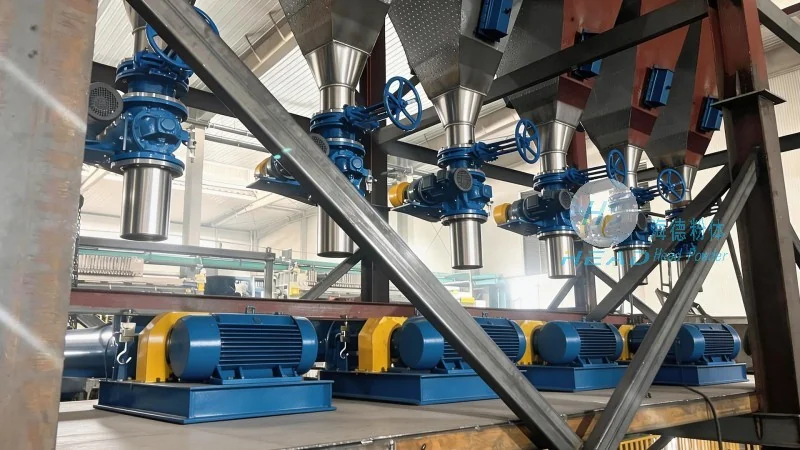
Applications and Benefits in the Rare Earth Industry
The rare earth material handling system is widely used in various applications within the rare earth industry, including mining, processing, and manufacturing. In mining operations, the system is used to transport raw rare earth ores from the mine to processing facilities. In processing plants, it facilitates the movement of rare earth powders and granules between different stages of production, such as crushing, grinding, and separation. In manufacturing, the system is employed to deliver rare earth materials to production lines for the fabrication of electronic components, magnets, and other high-tech products. The benefits of using this system include improved operational efficiency, reduced labor costs, and enhanced product quality. By automating the material handling process, the system minimizes human error and ensures consistent material flow, leading to higher production yields and lower waste. Additionally, the system's design minimizes material contamination, which is critical for rare earth materials used in high-purity applications. The reliability of the system also reduces downtime, allowing production to continue uninterrupted. Overall, the rare earth material handling system plays a vital role in optimizing the workflow in rare earth processing facilities, contributing to the overall success of the industry.