

Introduction to Low-Pressure Continuous Powder Conveying: Structure and Principle Overview
Low-pressure continuous powder conveying systems are essential in various industrial applications, offering efficient and reliable methods for transporting bulk materials. This article provides an overview of the low-pressure continuous powder conveying technology, focusing on its structural design and operational principles. The information is presented by Shandong HeadPowder Engineering Co., Ltd., a leading manufacturer based in China, with a commitment to delivering high-quality solutions for powder handling needs.
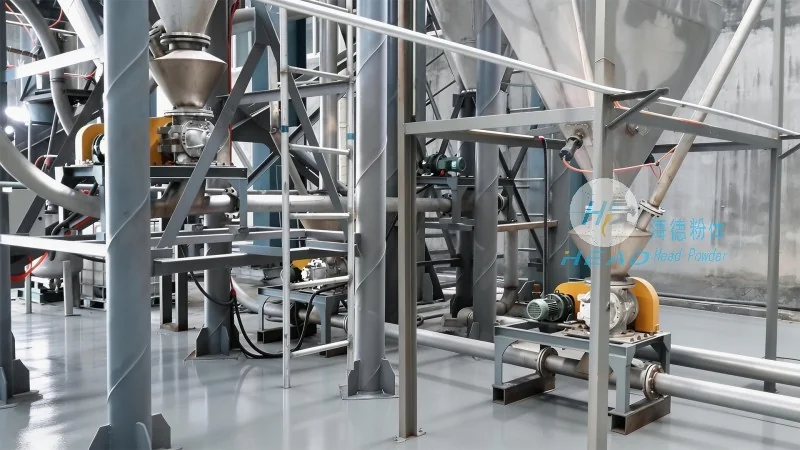
Company Overview
Shandong HeadPowder Engineering Co., Ltd. is a professional enterprise specializing in the research, development, and production of powder conveying equipment. With a strong focus on innovation and customer satisfaction, the company has established itself as a trusted partner in the industry. HeadPowder, as the company's abbreviation, is dedicated to providing advanced solutions tailored to the diverse needs of clients across various sectors.
Understanding Low-Pressure Continuous Powder Conveying
Low-pressure continuous powder conveying refers to a method of transporting bulk powders through a closed system under low pressure. Unlike high-pressure systems, this approach minimizes energy consumption while ensuring consistent and controlled material flow. The technology is widely used in industries such as food processing, pharmaceuticals, chemicals, and mining, where maintaining product integrity and preventing contamination is critical.
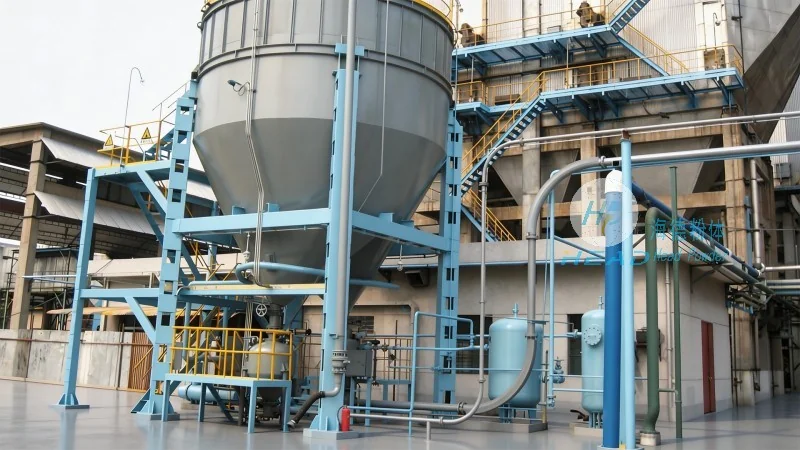
Structural Components and Design
The low-pressure continuous powder conveying system typically consists of several key components that work in harmony to achieve efficient material transport. These components include a hopper for material storage, a conveyor line with a series of ducts, and a vacuum or pressure source to move the powder. The design emphasizes simplicity and durability, allowing for easy maintenance and long-term operation.
Operational Principle
The core principle of low-pressure continuous powder conveying involves creating a slight negative pressure in the conveying line. This pressure differential draws the powder from the source hopper into the system. As the material moves through the ducts, it is continuously fed and transported to the destination point. The system ensures a steady flow rate, reducing the risk of clogging and maintaining consistent performance.
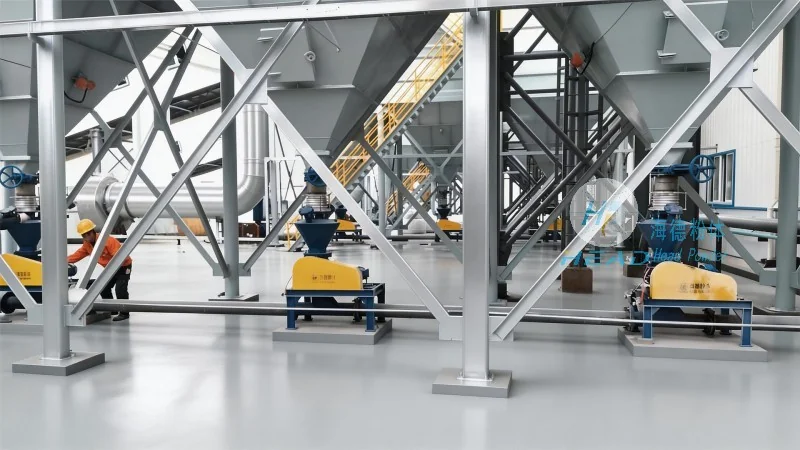
Advantages of Low-Pressure Continuous Conveying
Low-pressure continuous powder conveying offers several advantages over other conveying methods. These include lower energy consumption, reduced maintenance costs, and improved product quality. The closed system design prevents dust emissions and contamination, making it suitable for applications where hygiene is paramount. Additionally, the technology allows for flexible system configurations, enabling customization to meet specific operational requirements.
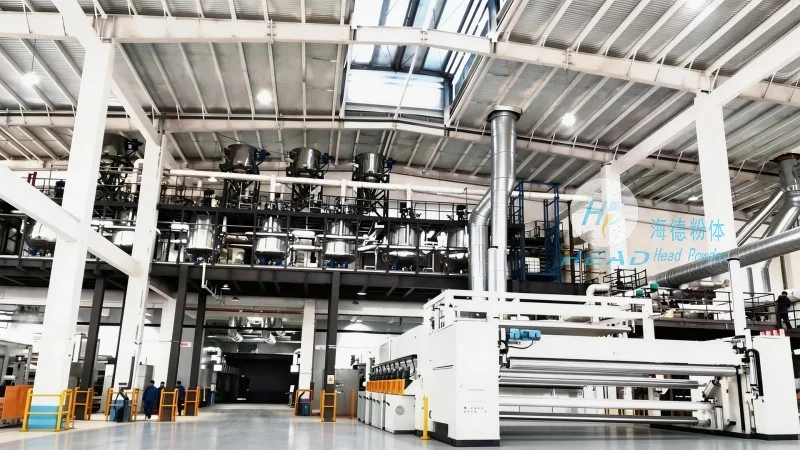
Applications and Industries
Low-pressure continuous powder conveying is applicable in a wide range of industries. In the food industry, it is used for transporting ingredients like flour, sugar, and spices. In the pharmaceutical sector, it ensures the safe handling of active pharmaceutical ingredients (APIs) and excipients. The chemical industry benefits from the system's ability to handle corrosive or abrasive powders, while the mining industry uses it for transporting raw materials like coal and minerals.
Conclusion
Low-pressure continuous powder conveying is a reliable and efficient solution for bulk material transport. With its robust design and operational principles, it addresses the challenges of traditional conveying methods. Shandong HeadPowder Engineering Co., Ltd. continues to innovate and provide advanced systems that meet the evolving needs of industries worldwide. By leveraging this technology, businesses can enhance productivity, reduce costs, and maintain product quality.