

Polycarbonate Powder Conveying: An Overview of Structural Principles and Working Mechanisms
Polycarbonate powder handling systems are critical components in various industrial applications, particularly in manufacturing processes where the efficient and reliable transport of polycarbonate powders is essential. These systems are designed to ensure that the material is moved from storage to processing equipment with minimal loss, contamination, or degradation. The structural design and operational principles of such systems are tailored to meet the specific demands of polycarbonate, a high-performance thermoplastic known for its durability, impact resistance, and optical clarity.
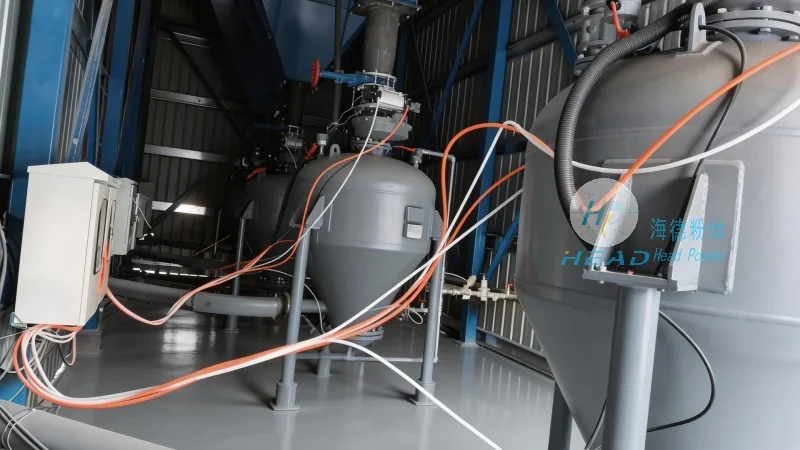
Key Structural Components of Polycarbonate Powder Conveying Equipment
The core of any polycarbonate powder conveying system consists of several integrated components that work in harmony to achieve effective material transport. These include feed hoppers, which are used to store and meter the powder, often equipped with level sensors to monitor inventory. Conveying mechanisms, such as screw conveyors or pneumatic systems, are then employed to move the powder through the system. For polycarbonate, which can be sensitive to moisture or temperature changes, the design incorporates features like sealed enclosures and temperature-controlled zones to maintain optimal conditions. Additionally, the system may include filtration and cleaning mechanisms to prevent dust accumulation and ensure consistent material quality.
Working Principles of Polycarbonate Powder Conveying
The operational principle of polycarbonate powder conveying systems revolves around the controlled movement of the material through a series of components. In screw conveyor systems, for example, a rotating screw pushes the powder forward, while the design of the screw flights and trough ensures minimal friction and material degradation. Pneumatic conveying systems, on the other hand, use compressed air to create a flow of powder through a pipeline, which is particularly effective for handling fine powders like polycarbonate. The system's control mechanisms, including variable speed drives and pressure regulators, allow for precise adjustment of the conveying rate, ensuring that the process remains efficient and consistent. This adaptability is crucial in applications where the volume of material or processing requirements may vary.
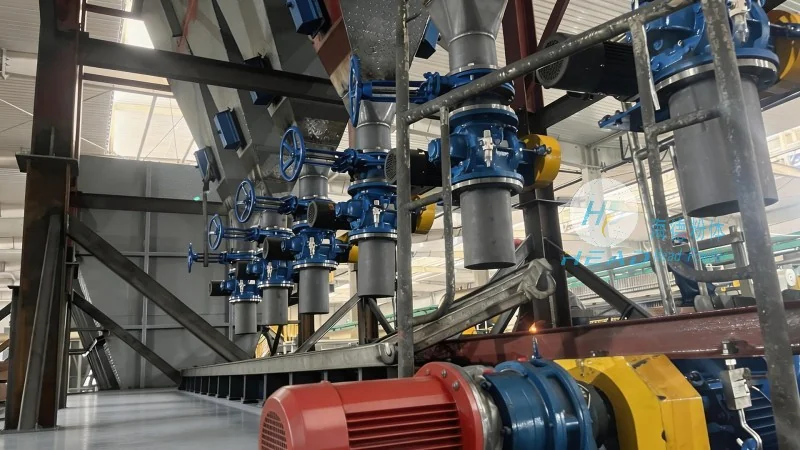
Applications and Benefits of Polycarbonate Powder Handling Solutions
Polycarbonate powder handling systems are widely used in industries such as automotive, electronics, and consumer goods manufacturing. In automotive applications, these systems are used to transport polycarbonate powders for the production of parts like lenses, housings, and interior components. The benefits of using specialized conveying equipment include improved material flow, reduced downtime due to blockages, and enhanced product quality through consistent handling. Additionally, the systems help in maintaining a clean and safe working environment by minimizing dust exposure and ensuring that the powder is handled in a controlled manner. For manufacturers, this translates to higher productivity and lower operational costs, making the investment in advanced powder handling systems a strategic decision.
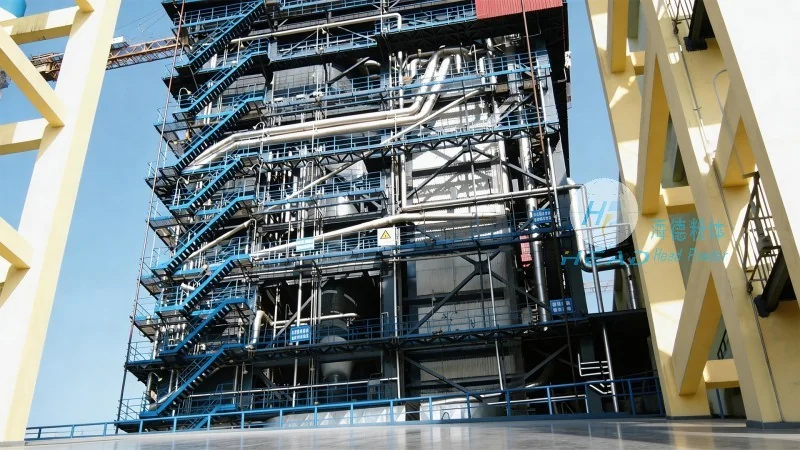
Company Overview: Shandong HeadPowder Engineering Co., Ltd.
HeadPowder, or Shandong HeadPowder Engineering Co., Ltd., is a leading provider of specialized powder handling solutions, including systems for polycarbonate and other high-performance materials. With a focus on engineering excellence and customer-centric design, the company has established itself as a trusted partner in the industry. HeadPowder's expertise lies in the development of customized conveying systems that meet the unique requirements of each client, ensuring that the equipment is both efficient and reliable. The company's facilities, located in Shandong, China, are equipped with state-of-the-art technology and skilled personnel who are dedicated to delivering high-quality products and services. By combining innovative design with rigorous testing, HeadPowder ensures that its systems are capable of handling the most demanding applications, providing long-term value to its customers.
Conclusion: The Importance of Advanced Polycarbonate Powder Handling
In conclusion, polycarbonate powder handling systems play a vital role in modern manufacturing, enabling the efficient and safe transport of this valuable material. The structural design and operational principles of these systems are critical to maintaining the quality and integrity of the polycarbonate powder. Companies like Shandong HeadPowder Engineering Co., Ltd. continue to innovate in this field, providing advanced solutions that meet the evolving needs of the industry. By investing in specialized powder handling equipment, manufacturers can enhance their productivity, reduce costs, and ensure the consistent quality of their products. As the demand for polycarbonate and other high-performance materials grows, the importance of reliable and efficient powder handling systems will only increase, making them an essential component of modern industrial operations.