

Classification and Composition of Polyethylene Pneumatic Conveying Systems
For industrial applications involving the handling of polyethylene materials, the selection of an appropriate pneumatic conveying system is crucial for efficiency and safety. Polyethylene, a widely used thermoplastic, requires specialized equipment to manage its flow characteristics, especially when dealing with bulk quantities. This article provides an overview of the classification and key components of polyethylene pneumatic conveying systems, highlighting the technical aspects that ensure effective material transport.
Classification of Polyethylene Pneumatic Conveying Systems
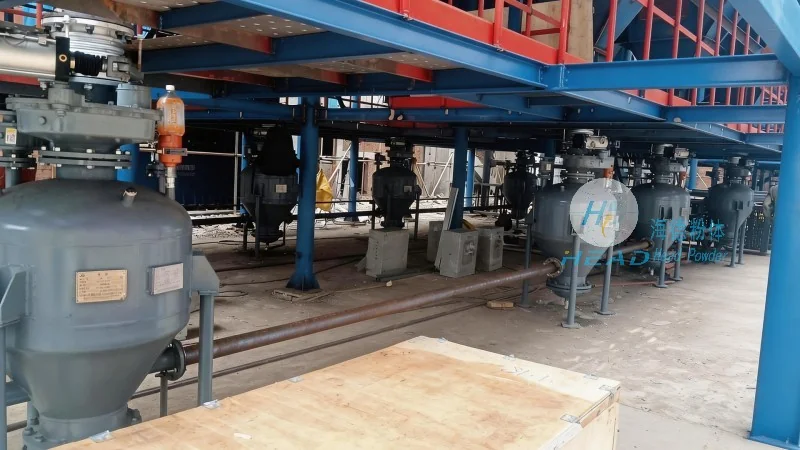
Polyethylene pneumatic conveying systems can be classified based on several operational parameters, including the method of air delivery, material handling capacity, and system configuration. The primary classifications include pressure systems, vacuum systems, and combined pressure-vacuum systems. Each type is designed to address specific operational needs, such as the distance of material transport, the required flow rate, and the nature of the polyethylene being handled.
Pressure Pneumatic Conveying Systems
Pressure systems utilize compressed air to push polyethylene particles through the conveying line. These systems are typically used for short to medium distances and high flow rates. The key components of a pressure system include a positive displacement blower or compressor, a feed hopper with a rotary valve, and a conveying pipeline. The compressed air is introduced at the discharge end of the pipeline, creating a pressure differential that propels the polyethylene forward. This method is particularly effective for handling free-flowing polyethylene powders or granules, as it minimizes material degradation and ensures consistent flow rates.
Vacuum Pneumatic Conveying Systems
Vacuum systems, on the other hand, use a vacuum pump to draw polyethylene material from the source into the conveying line. These systems are ideal for longer distances and for materials that are more cohesive or have a tendency to clog. The components of a vacuum system include a vacuum pump, a feed hopper with a rotary valve, and a collection hopper at the receiving end. The vacuum is created at the discharge end, pulling the polyethylene particles through the pipeline. This approach is beneficial for applications where the material needs to be transported from a lower elevation or where the receiving point is at a higher elevation than the source.
Combined Pressure-Vacuum Systems
Combined systems integrate both pressure and vacuum capabilities, offering flexibility for varied operational conditions. These systems can operate in either pressure or vacuum mode, depending on the requirements of the process. The components include a dual-mode blower or pump, feed and collection hoppers, and a flexible conveying line. This configuration allows for the handling of both short and long distances, as well as materials with different flow characteristics. The ability to switch between pressure and vacuum modes provides operational efficiency and adaptability, making combined systems suitable for complex polyethylene handling applications.
Key Components of Polyethylene Pneumatic Conveying Systems
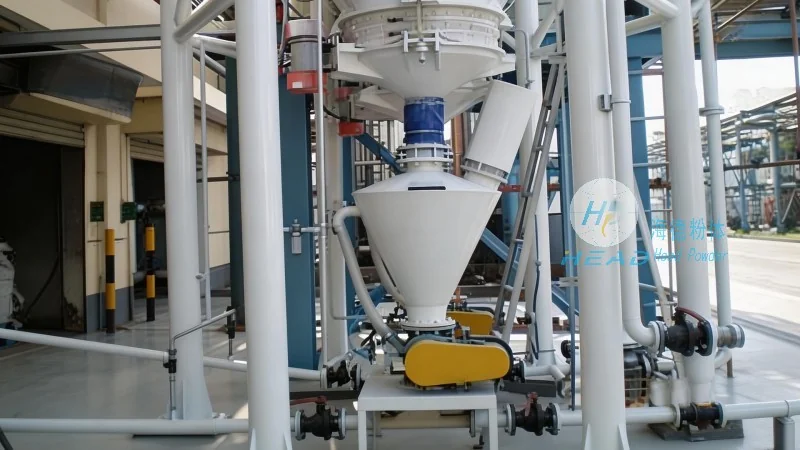
Regardless of the classification, polyethylene pneumatic conveying systems consist of several critical components that work in concert to ensure reliable operation. These components include the feed system, conveying pipeline, separation and collection equipment, and control mechanisms. Each component plays a vital role in the overall performance and efficiency of the system.
Feed System
The feed system is responsible for introducing polyethylene material into the conveying line. It typically includes a hopper with a rotary valve or a screw feeder. The hopper is designed to store the polyethylene and regulate the flow rate. The rotary valve or screw feeder ensures a consistent and controlled feed of material into the pipeline, preventing overloading and maintaining stable air flow. For polyethylene, which can be prone to bridging or clogging, the feed system is often equipped with agitators or vibrators to prevent material accumulation and ensure smooth feeding.
Conveying Pipeline
The conveying pipeline is the main channel through which polyethylene particles are transported. It is usually made of materials such as stainless steel, aluminum, or plastic, depending on the specific requirements of the application. The pipeline is designed to withstand the pressure or vacuum conditions and to minimize material degradation. For polyethylene, which can be sensitive to temperature and pressure, the pipeline is often insulated or equipped with temperature control features to maintain optimal conditions. The pipeline may also include bends, elbows, and expansion joints to accommodate changes in direction and to reduce pressure losses.
Separation and Collection Equipment
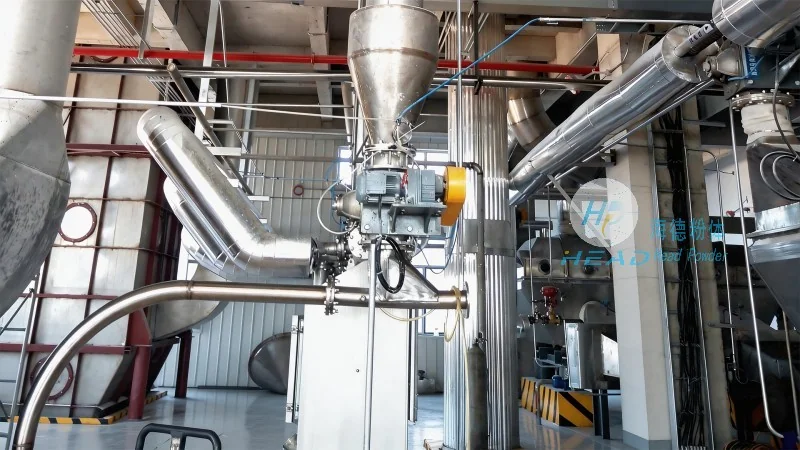
At the receiving end of the system, separation and collection equipment is used to remove the polyethylene from the air stream and collect it in a storage hopper. This equipment typically includes a cyclone separator, a filter, and a collection hopper. The cyclone separator uses centrifugal force to separate the polyethylene particles from the air, while the filter removes any fine particles or dust. The collection hopper is designed to store the polyethylene and can be equipped with a discharge valve or a conveyor to transfer the material to the next processing stage. For polyethylene, which can be abrasive or corrosive, the separation equipment is often made of materials that are resistant to wear and corrosion, such as stainless steel or high-density polyethylene.
Control Mechanisms
Control mechanisms are essential for monitoring and regulating the operation of the polyethylene pneumatic conveying system. These mechanisms include pressure gauges, vacuum gauges, flow meters, and control valves. The pressure and vacuum gauges provide real-time data on the system's performance, allowing operators to adjust the air flow or pressure as needed. The flow meters measure the rate of material transport, ensuring that the system operates within the desired parameters. The control valves regulate the air flow and pressure, maintaining stable conditions throughout the conveying process. Additionally, the control mechanisms may include safety features such as pressure relief valves and vacuum breakers to prevent over-pressurization or vacuum collapse.
Application Considerations for Polyethylene Pneumatic Conveying
When selecting a polyethylene pneumatic conveying system, several factors must be considered to ensure optimal performance. These factors include the type of polyethylene being handled, the distance of transport, the required flow rate, and the operational environment. For example, free-flowing polyethylene powders may be better suited for pressure systems, while cohesive polyethylene granules may require vacuum systems. The distance of transport also influences the choice of system, as pressure systems are generally limited to shorter distances, while vacuum systems can handle longer distances. The required flow rate and the available space for the system also play a role in the selection process. Additionally, the operational environment, such as temperature and humidity, can affect the performance of the system and may require additional components, such as insulation or moisture control.
Conclusion
Polyethylene pneumatic conveying systems are essential for efficiently handling polyethylene materials in industrial applications. The classification of these systems, based on pressure, vacuum, or combined modes, allows for the selection of the most appropriate configuration for specific operational needs. The key components, including the feed system, conveying pipeline, separation equipment, and control mechanisms, work together to ensure reliable and efficient material transport. By understanding the classification and components of polyethylene pneumatic conveying systems, industrial operators can make informed decisions to enhance productivity and safety in their material handling processes. As a leading provider of engineering solutions, Shandong HeadPowder Engineering Co., Ltd. specializes in designing and manufacturing high-quality polyethylene pneumatic conveying systems tailored to meet the diverse needs of industrial clients.