

Positive Pressure and Negative Pressure Conveying of Recycled Sand: A Comparative Analysis of Two Pn
When it comes to transporting recycled sand in industrial settings, selecting the right pneumatic conveying method is crucial for efficiency, cost-effectiveness, and operational safety. Two primary approaches dominate the market: positive pressure conveying and negative pressure conveying. Each method offers distinct advantages and challenges, making it essential to understand their differences to choose the optimal solution for specific applications. This analysis delves into the characteristics, benefits, and practical considerations of both positive and negative pressure systems, providing a comprehensive comparison for industry professionals.
Understanding Pneumatic Conveying Systems
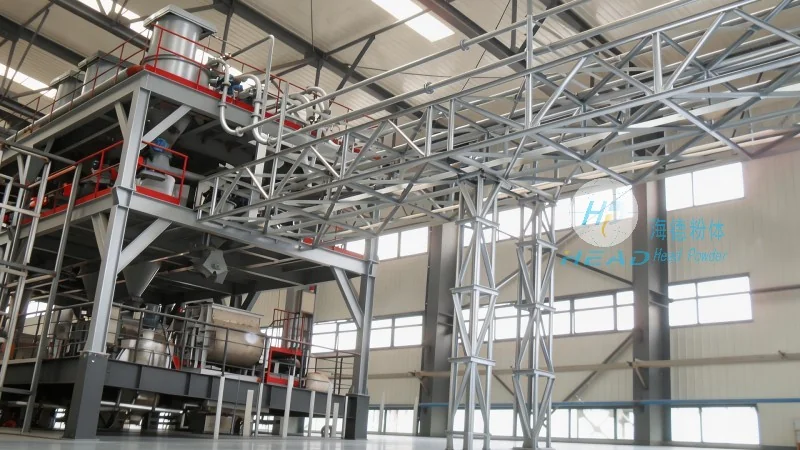
Pneumatic conveying systems utilize air or gas to transport bulk materials like recycled sand through a pipeline. The fundamental difference between positive and negative pressure systems lies in how the air pressure is managed within the pipeline. Positive pressure systems operate by blowing air into the pipeline, creating a pressure higher than the ambient air, while negative pressure systems draw air out of the pipeline, creating a vacuum relative to the surrounding environment. Both methods are widely used in various industries, including construction, foundries, and recycling, due to their ability to handle abrasive and dusty materials without the need for mechanical components like belts or buckets.
Positive Pressure Conveying of Recycled Sand
Positive pressure conveying, also known as pressure pneumatic conveying, is a method where the conveying line is pressurized with air or gas. This approach involves a blower or compressor that forces air into the pipeline, carrying the sand particles along with it. The system typically includes a hopper, a feeder, a pressure vessel, and a discharge point. The primary advantage of positive pressure systems is their ability to handle long distances and high material loads without significant pressure loss. They are particularly effective for applications requiring high flow rates and the transport of abrasive materials, as the pressurized air provides sufficient force to move the sand through the pipeline. However, positive pressure systems may require more robust equipment to withstand higher pressures and can be more complex to maintain due to the need for sealed components and pressure regulation.
Key Features and Benefits of Positive Pressure Conveying
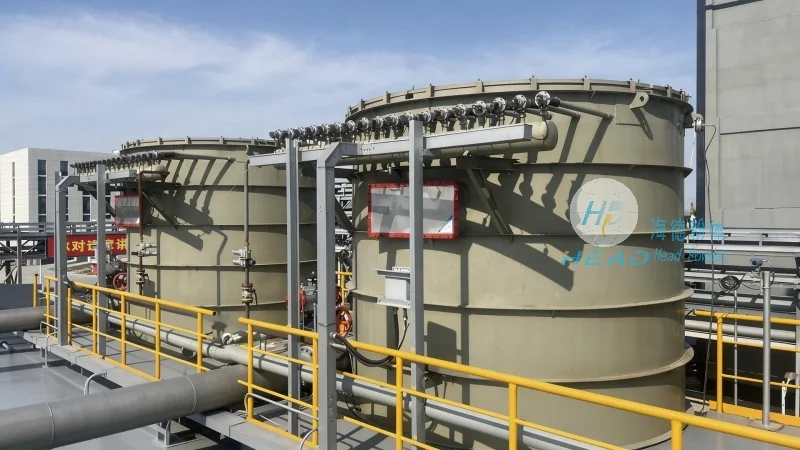
Positive pressure conveying offers several key benefits that make it suitable for many industrial applications. Firstly, it is highly efficient for long-distance transport, as the pressurized air maintains consistent flow rates even over extended pipelines. This makes it ideal for facilities with multiple processing units or large-scale production lines. Secondly, the system can handle a wide range of material types, including recycled sand with varying particle sizes and moisture content. The pressurized air helps to break up agglomerates and ensure uniform material flow. Thirdly, positive pressure systems are generally more reliable in terms of material transport, as they are less susceptible to blockages caused by air leaks or pressure fluctuations compared to negative pressure systems. Additionally, they can be integrated with other processing equipment, such as mixing or drying units, to create a seamless production workflow.
Challenges and Considerations for Positive Pressure Conveying
Despite its advantages, positive pressure conveying also presents several challenges. One of the main drawbacks is the higher energy consumption associated with maintaining the pressurized system. The blower or compressor must work continuously to keep the pipeline pressurized, which can increase operational costs, especially for large-scale operations. Another consideration is the need for proper sealing and maintenance to prevent air leaks, which can lead to pressure loss and reduced conveying efficiency. Additionally, positive pressure systems may require more space for the pressure vessel and blower, which can be a constraint in facilities with limited floor space. Finally, the system may generate more noise and vibration due to the high-pressure air flow, necessitating appropriate noise control measures.
Negative Pressure Conveying of Recycled Sand
Negative pressure conveying, or vacuum pneumatic conveying, operates by creating a vacuum in the pipeline to draw the sand particles into the system. A vacuum pump is used to remove air from the pipeline, creating a pressure lower than the ambient air. The material is then drawn into the pipeline through a hopper or feeder, and the vacuum pulls it along to the discharge point. This method is often preferred for applications requiring the transport of materials from multiple sources or over shorter distances, as it can handle more complex layouts without the need for additional air compressors.
Key Features and Benefits of Negative Pressure Conveying
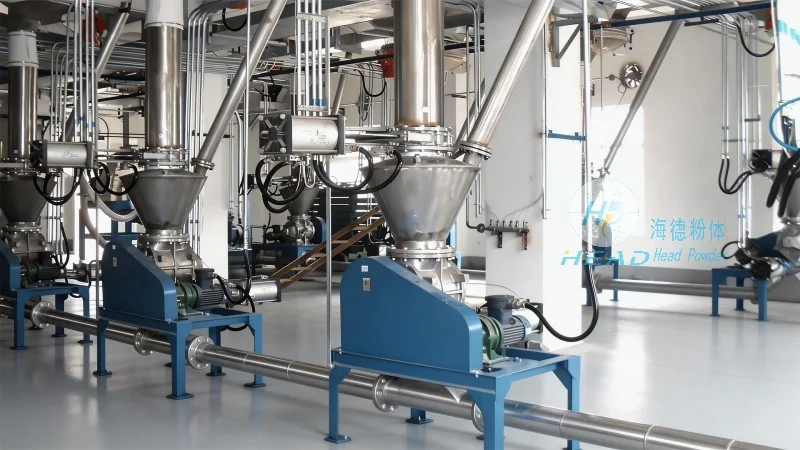
Negative pressure conveying offers several benefits that make it a suitable choice for specific industrial needs. Firstly, it is generally more energy-efficient compared to positive pressure systems, as the vacuum pump only needs to operate when material is being conveyed, rather than continuously maintaining pressure. This can lead to lower operational costs, especially for facilities with intermittent material transport requirements. Secondly, the system is less likely to cause dust emissions at the discharge point, as the vacuum helps to contain the material within the pipeline. This makes it more suitable for applications where dust control is a priority, such as in indoor processing environments or where material is being transported to a controlled area. Thirdly, negative pressure systems are often more compact and require less space for installation, as they do not need a pressure vessel or large blower. This makes them ideal for facilities with limited space or where the system needs to be integrated into existing infrastructure.
Challenges and Considerations for Negative Pressure Conveying
However, negative pressure conveying also has its challenges. One of the main drawbacks is the limitation on transport distance and material load. The vacuum pressure is typically lower than the pressure in positive systems, which can result in reduced flow rates over longer distances or with high material loads. This may require additional vacuum pumps or larger pipelines to maintain efficiency. Another consideration is the risk of blockages caused by air leaks or material buildup in the pipeline, which can disrupt the conveying process and require regular maintenance. Additionally, negative pressure systems may be more susceptible to dust emissions at the intake point, as the vacuum can draw in ambient air and dust particles. This necessitates proper sealing and filtration to maintain air quality and prevent contamination. Finally, the system may require more frequent cleaning and maintenance to prevent clogging, especially when handling abrasive or sticky materials like recycled sand.
Comparative Analysis: Positive vs. Negative Pressure Conveying
When comparing positive and negative pressure conveying for recycled sand, several factors must be considered to determine the most suitable method. The primary decision point is often the distance and volume of material to be transported. Positive pressure systems are generally preferred for long-distance or high-volume applications, as they can maintain consistent flow rates and handle larger loads without significant pressure loss. Negative pressure systems, on the other hand, are better suited for shorter distances or intermittent transport, where energy efficiency and space constraints are more critical. Another important factor is the material characteristics, such as particle size, moisture content, and abrasiveness. Positive pressure systems are more effective for handling abrasive materials, as the pressurized air provides sufficient force to move the sand through the pipeline. Negative pressure systems may be more suitable for materials with higher moisture content or those that are prone to agglomeration, as the vacuum helps to break up clumps and ensure uniform flow. Additionally, the operational environment and safety considerations play a role in the choice of system. Positive pressure systems may generate more noise and require more robust sealing, while negative pressure systems may pose a risk of dust emissions at the intake point. Ultimately, the optimal choice depends on the specific requirements of the application, including cost, efficiency, and space availability.
Conclusion
In conclusion, both positive and negative pressure pneumatic conveying systems offer viable solutions for transporting recycled sand in industrial settings. Positive pressure systems excel in long-distance, high-volume applications with abrasive materials, while negative pressure systems are more suitable for shorter distances, energy-efficient, and space-constrained environments. Understanding the characteristics, benefits, and challenges of each method is essential for selecting the right system to meet operational needs and ensure efficient material handling. By carefully evaluating factors such as distance, material properties, and operational constraints, industry professionals can make informed decisions to optimize their production processes and improve overall efficiency.
Shandong HeadPowder Engineering Co., Ltd. specializes in providing advanced pneumatic conveying solutions tailored to the unique needs of the construction and recycling industries. With a focus on innovation and quality, HeadPowder offers customized systems that enhance productivity, reduce costs, and ensure safe material transport. Whether you require a positive or negative pressure system for your recycled sand handling needs, HeadPowder provides expert consultation and reliable equipment to meet your industrial requirements.