

[Pneumatic Conveying in the Bulk Handling of Aluminum Dross]
Aluminum dross, a byproduct of aluminum production processes, presents unique challenges when it comes to bulk material handling. Efficient and reliable transportation of this material is crucial for maintaining operational efficiency and minimizing downtime in aluminum processing facilities. Pneumatic conveying systems have emerged as a highly effective solution for handling aluminum dross, offering advantages such as reduced equipment wear, improved safety, and enhanced process control.
Understanding Aluminum Dross and Its Handling Requirements
Aluminum dross is a solid waste material that forms during the melting and processing of aluminum. It typically consists of a mixture of aluminum, oxide, and other impurities. The physical properties of aluminum dross, including its density, moisture content, and particle size distribution, can vary significantly depending on the specific production process and the type of aluminum being processed. These variations make traditional handling methods, such as belt conveyors or bucket elevators, less effective and often lead to increased maintenance costs and operational inefficiencies.
Pneumatic Conveying Technology for Aluminum Dross
Pneumatic conveying systems utilize air or other gases to transport bulk materials through a pipeline network. In the context of aluminum dross, these systems can be designed to handle the material's abrasive and potentially hazardous nature. The technology offers several key benefits, including the ability to transport materials over long distances, vertical and horizontal movement capabilities, and the reduction of dust emissions compared to other handling methods. Pneumatic conveying can be categorized into two main types: pressure and vacuum systems. Pressure systems use compressed air to push the material through the pipeline, while vacuum systems use suction to draw the material into the system.

Key Components of a Pneumatic Conveying System for Aluminum Dross
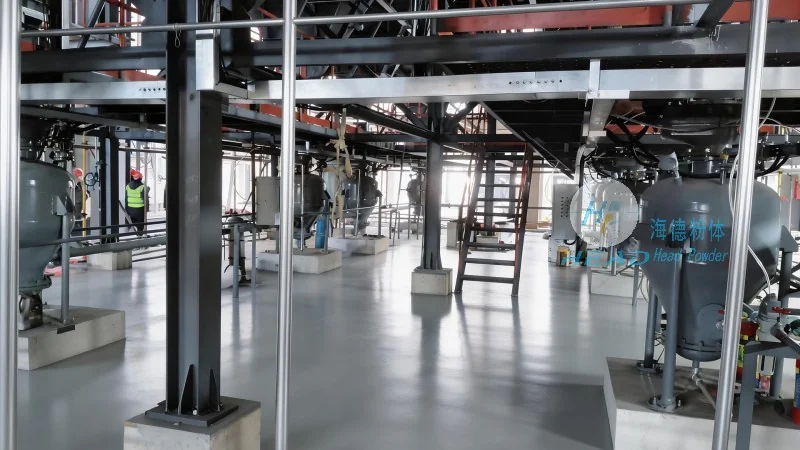
A pneumatic conveying system for aluminum dross typically consists of several critical components. The primary components include a material feed hopper, a conveyor line (either pressure or vacuum), a separator or filter to remove air from the material stream, and a discharge outlet. The feed hopper is designed to store and meter the aluminum dross, ensuring a consistent flow into the conveying system. The conveyor line is constructed from materials that can withstand the abrasive nature of aluminum dross, such as stainless steel or specialized alloys. The separator is crucial for removing entrained air from the material, which helps maintain the material's integrity and prevents blockages in downstream equipment. The discharge outlet is designed to safely release the aluminum dross into the next processing stage.
Advantages of Pneumatic Conveying for Aluminum Dross Handling
Implementing a pneumatic conveying system for aluminum dross offers numerous advantages over traditional handling methods. One of the most significant benefits is the reduction in equipment wear and tear. Unlike mechanical conveyors that rely on moving parts and friction, pneumatic systems use air to transport the material, minimizing the risk of component damage. This leads to lower maintenance costs and longer equipment lifespans. Additionally, pneumatic conveying systems are generally more compact and can be installed in confined spaces, making them suitable for facilities with limited floor space. The technology also enhances safety by reducing the risk of dust explosions and minimizing the exposure of personnel to hazardous materials. Furthermore, pneumatic systems provide better process control, allowing for precise control over the flow rate and direction of the aluminum dross, which is essential for maintaining consistent production quality.
Application Examples and Case Studies
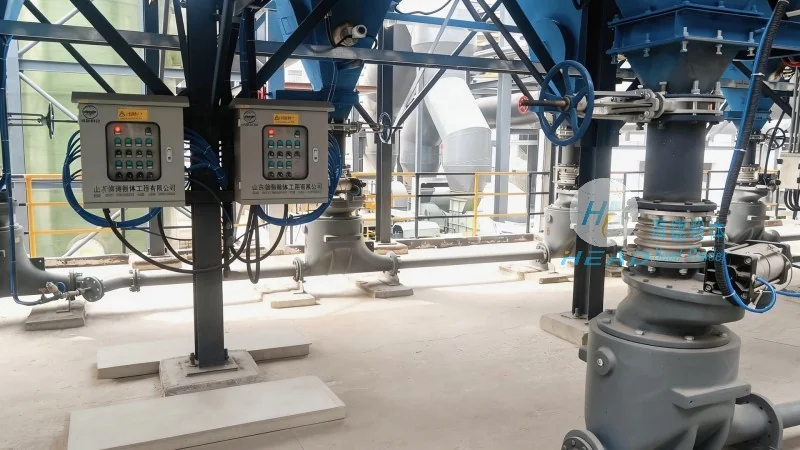
Shandong HeadPowder Engineering Co., Ltd., a leading provider of bulk material handling solutions, has successfully implemented pneumatic conveying systems for aluminum dross in various industrial applications. For instance, in a large aluminum smelting plant, the company designed a pressure pneumatic conveying system that transported aluminum dross from the melting furnace to a recycling facility over a distance of 200 meters. The system was equipped with a stainless steel conveyor line and a high-efficiency separator, ensuring reliable and efficient material transport. The plant reported a 30% reduction in maintenance costs and a 20% increase in production efficiency after the system was installed. Another application involved a foundry that used a vacuum pneumatic conveying system to handle aluminum dross from multiple processing lines and transport it to a central storage area. The system's ability to handle vertical and horizontal movements allowed for a more flexible layout, optimizing the plant's floor space utilization.
Customization and Integration with Existing Systems
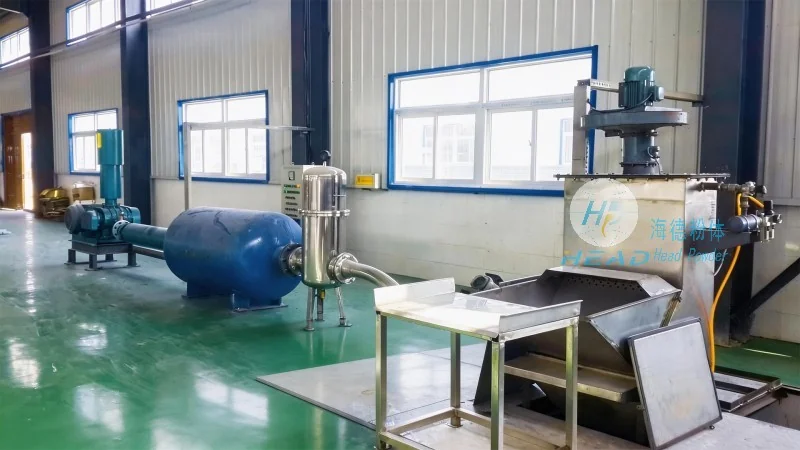
Shandong HeadPowder Engineering Co., Ltd. specializes in designing and manufacturing customized pneumatic conveying systems tailored to the specific needs of aluminum processing facilities. The company works closely with clients to understand their operational requirements, material characteristics, and space constraints, ensuring that the final system is optimized for performance and efficiency. The systems can be integrated with existing equipment, such as melting furnaces, casting machines, and recycling units, to create a seamless material flow process. This integration minimizes the need for manual handling and reduces the risk of material loss or contamination. The company's engineering team uses advanced design software and simulation tools to model the conveying system and predict its performance under various operating conditions, ensuring that the final solution meets all safety and regulatory standards.
Conclusion and Future Outlook
Pneumatic conveying systems represent a highly effective and efficient solution for the bulk handling of aluminum dross. The technology offers numerous advantages, including reduced equipment wear, improved safety, and enhanced process control. With the increasing demand for sustainable and efficient aluminum production processes, the adoption of advanced material handling solutions like pneumatic conveying is expected to grow. Shandong HeadPowder Engineering Co., Ltd. continues to innovate and develop new solutions to meet the evolving needs of the aluminum industry, providing reliable and high-performance pneumatic conveying systems that help facilities maintain operational efficiency and reduce costs.