

The Role of Pneumatic Conveying in Fine Powder Handling
For industries dealing with fine powders, efficient material handling is crucial for maintaining production efficiency and product quality. Pneumatic conveying systems have emerged as a key solution, offering a reliable method to transport fine powders over various distances and in diverse industrial applications. This article explores the role of pneumatic conveying in fine powder handling, highlighting its benefits, applications, and the technical considerations that make it an ideal choice for many processing operations.
Understanding Pneumatic Conveying Systems
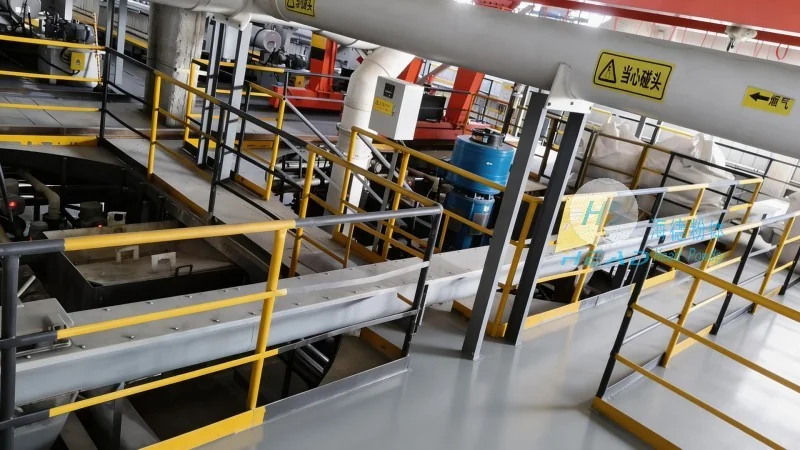
Pneumatic conveying, also known as air conveying, is a technology that uses pressurized or vacuum air to transport bulk materials, including fine powders, through a pipeline system. The process involves creating a flow of air that carries the powder particles, ensuring they are moved from the source to the destination without the need for mechanical components like belts or buckets. This method is particularly effective for materials that are prone to caking, clumping, or dust generation, as it minimizes material degradation and maintains a clean handling environment.
Key Benefits of Pneumatic Conveying for Fine Powders
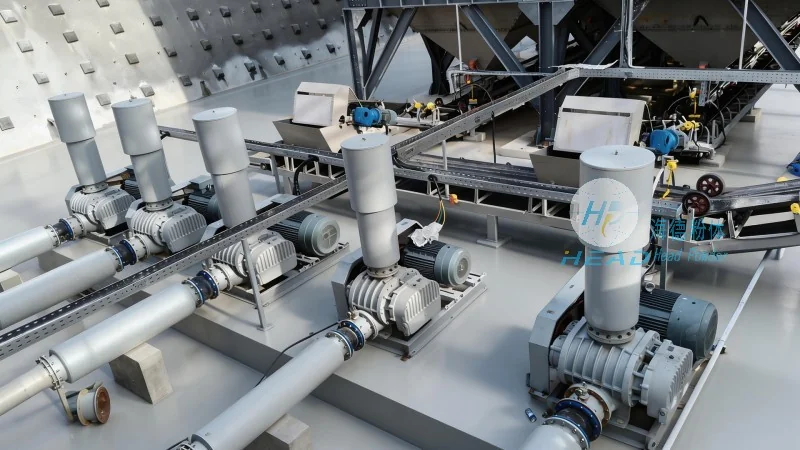
One of the primary advantages of pneumatic conveying systems is their ability to handle fine powders with minimal loss or degradation. Unlike mechanical systems that may cause attrition or contamination, pneumatic conveying maintains the integrity of the powder, ensuring that the final product meets strict quality standards. Additionally, this technology offers flexibility in system design, allowing for horizontal, vertical, or combined (mixed) conveying paths, which can be tailored to the specific layout of a facility. The systems are also relatively easy to install and maintain, with fewer moving parts compared to traditional equipment, reducing downtime and operational costs.
Applications in Various Industries
Pneumatic conveying is widely used across multiple industries where fine powders are a critical component. In the pharmaceutical sector, for example, these systems are essential for transporting active pharmaceutical ingredients (APIs) and excipients with high purity requirements. The food and beverage industry also relies on pneumatic conveying to handle powders like cocoa, flour, and dairy products, ensuring that the materials remain free from contamination and maintain their sensory properties. In the chemical industry, the technology is used for transporting various powders, including chemicals, pigments, and catalysts, which often have specific handling requirements to prevent reactions or degradation. Furthermore, in the mining and mineral processing industries, pneumatic conveying systems are employed to transport fine ore powders from processing plants to storage or further processing facilities.
Technical Considerations for Effective Fine Powder Conveying
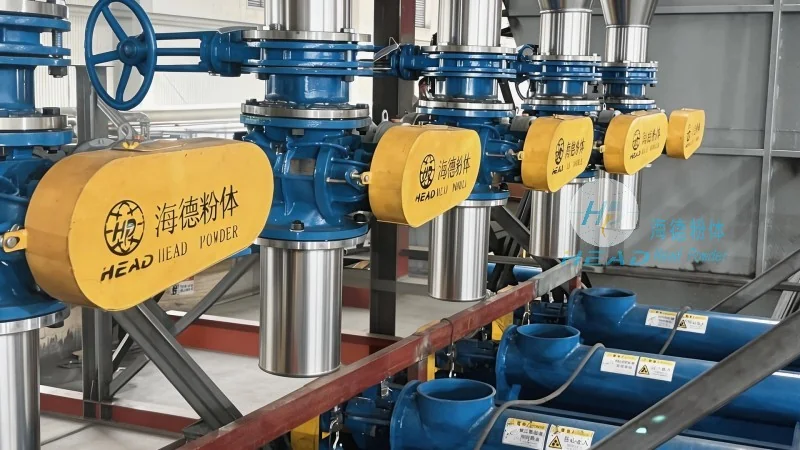
Implementing an effective pneumatic conveying system for fine powders requires careful consideration of several technical factors. The first is the choice between pressure and vacuum systems. Pressure systems use compressed air to push the material through the pipeline, suitable for short to medium distances and when the material is relatively dry. Vacuum systems, on the other hand, use a vacuum to draw the material into the pipeline, ideal for longer distances or when the material is more cohesive. The selection depends on the specific characteristics of the powder, such as its density, moisture content, and flowability. Another critical factor is the design of the conveying line, including the diameter and length of the pipeline, as well as the placement of inlets and outlets. Proper sizing and positioning are essential to ensure smooth material flow and prevent blockages or pressure drops. Additionally, the use of specialized components, such as rotary valves, airlocks, and filters, is crucial for maintaining system efficiency and preventing material buildup or air leakage.
Customization and Integration with Existing Systems
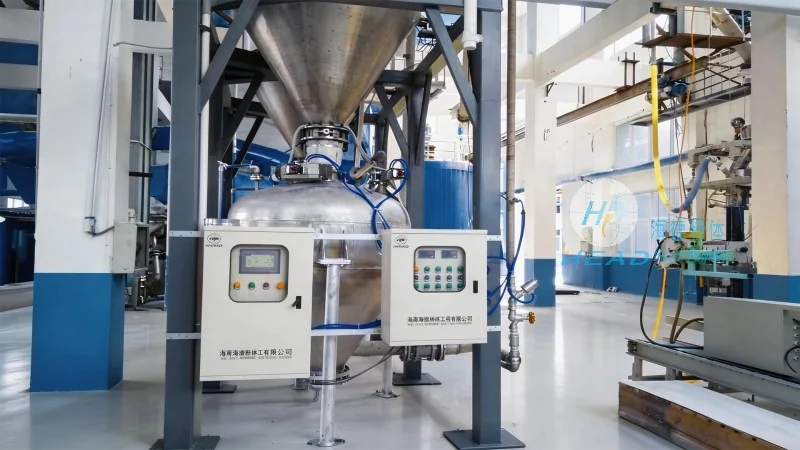
Shandong HeadPowder Engineering Co., Ltd., a leading provider of pneumatic conveying solutions, specializes in designing and manufacturing customized systems tailored to the unique needs of each client. The company’s expertise lies in understanding the specific challenges of fine powder handling and developing solutions that address these challenges effectively. Whether it's a new installation or an upgrade to an existing system, HeadPowder engineers work closely with clients to assess their requirements, including the type of powder, processing capacity, and facility layout. This collaborative approach ensures that the final system is optimized for performance, reliability, and cost-effectiveness. The company also offers a range of accessories and components, such as dust collectors, silos, and control panels, that can be integrated into the system to enhance its functionality and meet regulatory standards.
Conclusion
Pneumatic conveying plays a vital role in the efficient and reliable handling of fine powders across various industries. By leveraging the power of air to transport materials, these systems offer numerous benefits, including minimal material degradation, flexibility in system design, and ease of maintenance. With the right technical considerations and customization, pneumatic conveying systems can significantly improve production efficiency and product quality. As a trusted partner in the industry, Shandong HeadPowder Engineering Co., Ltd. continues to provide innovative solutions that meet the evolving needs of fine powder processing, ensuring that clients can achieve their operational goals with confidence.