

What is a Manganese Sulfate Powder Conveying Line? And What Are Its Design Principles?
Manganese sulfate is a widely used chemical compound in various industrial applications, and the efficient handling and transportation of its powder form are crucial for industrial processes. A manganese sulfate powder conveying line is a specialized system designed to transport this powder from one location to another within a production facility or between different stages of a manufacturing process. This article will explore the fundamental aspects of such a conveying line, including its design principles and the key components that make it effective. The system is engineered to meet the specific needs of industries that rely on manganese sulfate, such as battery manufacturing, agriculture, and water treatment, ensuring reliable and efficient material handling.
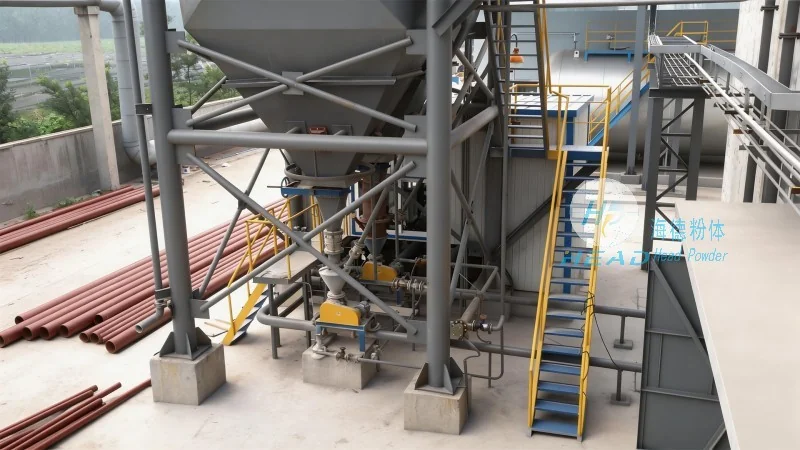
Key Components of a Manganese Sulfate Powder Conveying Line
The core of a manganese sulfate powder conveying line consists of several essential components that work together to ensure smooth and reliable operation. The primary components typically include a hopper for material storage, a feeder to control the flow of powder, a conveyor system (such as a screw conveyor or pneumatic conveyor) to transport the powder, and a receiving hopper or storage silo at the destination. Each component plays a critical role in maintaining the integrity of the powder and preventing issues like caking or segregation. The design of these components is tailored to handle the specific properties of manganese sulfate, including its fine particle size and hygroscopic nature.
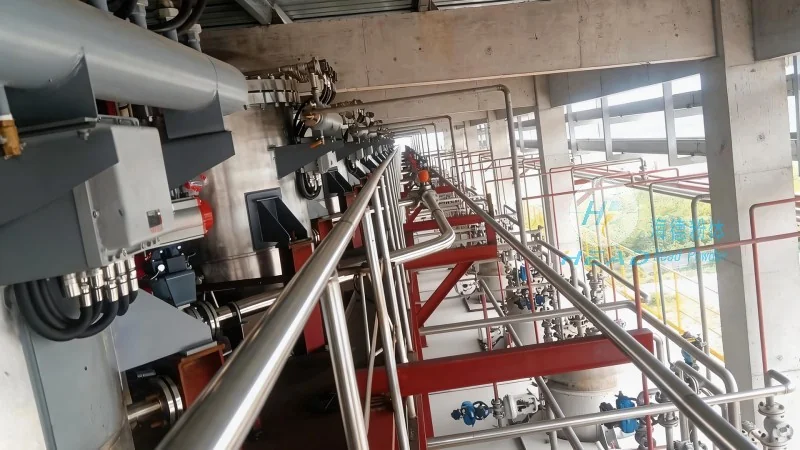
Design Principles for Efficient Powder Conveying
The design of a manganese sulfate powder conveying line is guided by several key principles aimed at optimizing performance, minimizing material loss, and ensuring safety. One of the most important principles is the prevention of material degradation, which can occur due to friction, impact, or exposure to air. To address this, the conveying system is often designed with smooth, non-stick surfaces and gentle curves to minimize particle damage. Additionally, the system is engineered to maintain consistent airflow or mechanical force to avoid material buildup or blockages, which are common issues in powder handling. The use of appropriate materials for the construction of the conveying components, such as stainless steel or food-grade plastics, is also a key design consideration to prevent contamination and ensure durability.
Feeder Systems and Flow Control
Feeder systems are a critical component of any powder conveying line, as they regulate the flow rate of manganese sulfate from the storage hopper to the conveyor. Proper flow control is essential to prevent overloading the conveyor and to maintain a consistent feed rate, which directly impacts the overall efficiency of the system. There are several types of feeders used in powder handling, including rotary valves, vibratory feeders, and screw feeders. For manganese sulfate, a rotary valve or a screw feeder is often preferred due to their ability to handle fine powders without causing excessive wear or clogging. The feeder is typically integrated with a control system that adjusts the flow rate based on real-time demand, ensuring optimal performance and minimizing waste.
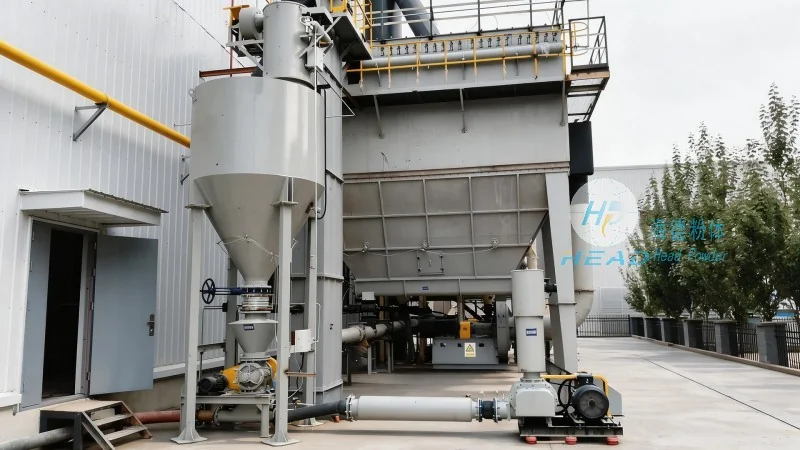
Conveyor Types and Their Applications
The choice of conveyor type in a manganese sulfate powder conveying line depends on the specific requirements of the application, such as the volume of material to be transported, the distance between the source and destination, and the need for gentle handling. Two common types of conveyors used in powder handling are screw conveyors and pneumatic conveyors. Screw conveyors use a rotating screw to move the powder along a tube, providing a compact and low-cost solution for short to medium distances. Pneumatic conveyors, on the other hand, use air pressure to transport the powder through a pipeline, which is ideal for longer distances or when the powder needs to be transported in a closed system to prevent contamination or dust emission. The selection of the appropriate conveyor type is crucial to ensure the efficient and safe transport of manganese sulfate powder.