

What is a Ceramic Material Conveying Line? What are its Design Principles?
In the manufacturing and processing industries, especially those dealing with ceramic materials, efficient material handling is crucial for maintaining production efficiency and product quality. A ceramic material conveying line, also known as a ceramic material handling system, is a specialized setup designed to transport ceramic powders, granules, or other ceramic-based materials from one processing stage to another. These systems are integral to various production processes, including raw material feeding, intermediate processing, and final product packaging. The design of such conveying lines must consider several factors to ensure optimal performance, reliability, and safety.
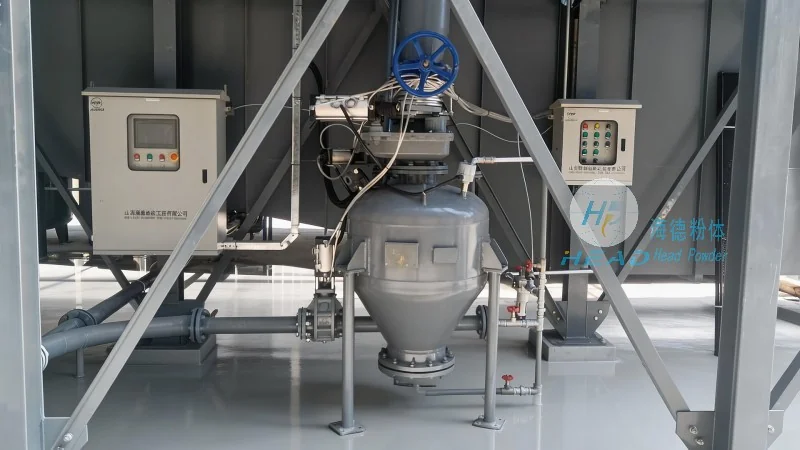
Key Design Principles for Ceramic Material Conveying Lines
The design of a ceramic material conveying line involves adhering to specific principles to accommodate the unique properties of ceramic materials. These properties include high brittleness, abrasive nature, and potential dust generation. Key design principles include:
- **Material Compatibility**: The conveying equipment and components must be made from materials that are resistant to abrasion and chemical reactions with ceramic materials. Common materials include stainless steel, special alloys, and sometimes ceramic-lined parts to prevent material degradation.
- **Low Abrasion and Wear**: Since ceramic materials are abrasive, the conveying system must minimize friction and wear. This is achieved through smooth surfaces, proper material selection for conveyor components, and sometimes the use of flexible or soft materials in contact points.
- **Dust Control and Environmental Safety**: Ceramic processing often generates fine dust, which can be hazardous if not properly managed. The design incorporates dust collection systems, sealed conveyor sections, and air filtration to ensure a safe working environment and compliance with environmental regulations.
- **Energy Efficiency**: Modern conveying lines are designed to be energy-efficient, using variable speed drives and optimized conveyor speeds to reduce power consumption while maintaining material flow rates.
- **Modularity and Scalability**: The system is often designed with modular components that can be easily expanded or reconfigured to adapt to changing production needs or increased material throughput.
Components of a Typical Ceramic Material Conveying Line
A standard ceramic material conveying line typically consists of several key components working in tandem. These components include:
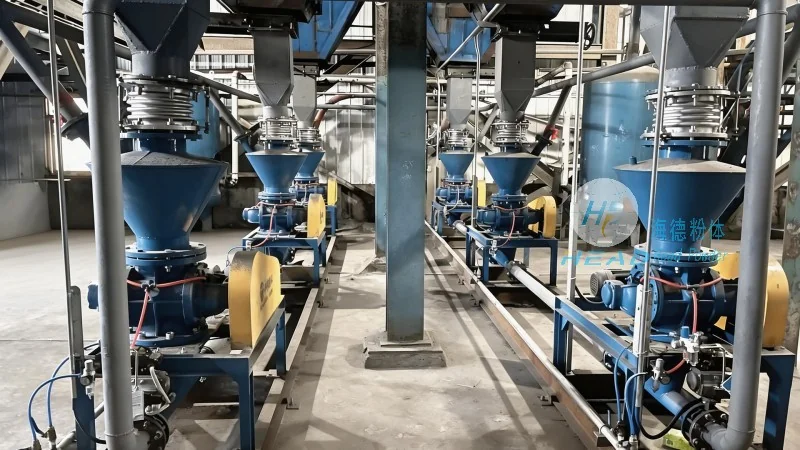
- **Feed Hoppers and Feeders**: These are used to store and feed the ceramic material into the conveying system. The feeders, such as rotary valves or vibratory feeders, ensure a controlled and consistent flow of material into the conveyor.
- **Conveyors**: The core of the system, conveyors transport the ceramic material through the production line. Common types include screw conveyors, belt conveyors, and pneumatic conveying systems. Screw conveyors are widely used for horizontal or slight incline transport due to their ability to handle abrasive materials and maintain a consistent flow. Pneumatic conveying systems use air pressure to move material, which is ideal for fine powders and can be more flexible in layout.
- **Dust Collection and Filtration Systems**: To manage dust and maintain air quality, these systems are integrated into the design. They capture dust particles from the conveying process and filter the air before releasing it back into the environment.
- **Control Systems**: Modern conveying lines are equipped with advanced control systems that monitor and regulate the flow of material, conveyor speeds, and other parameters. These systems ensure smooth operation and can alert operators to any issues or deviations from normal performance.
- **Safety and Maintenance Features**: The design incorporates safety features such as emergency stop buttons, interlocks, and protective guards. Regular maintenance access points are also included to facilitate cleaning and component replacement.
How HeadPowder Engineering Designs and Manufactures Ceramic Conveying Lines
Shandong HeadPowder Engineering Co., Ltd., a leading manufacturer in the field, specializes in designing and manufacturing high-quality ceramic material conveying lines tailored to the specific needs of their clients. With a deep understanding of ceramic material properties and industry requirements, HeadPowder engineers develop customized solutions that enhance production efficiency and reduce operational costs.
The company’s design process begins with a thorough analysis of the client’s production requirements, including material characteristics, throughput rates, and space constraints. Engineers then select the most appropriate conveying components and configure the system to meet these specifications. HeadPowder uses advanced simulation and modeling tools to optimize the system’s performance before manufacturing.
During the manufacturing phase, the company adheres to strict quality control standards. All components are manufactured from high-quality materials and undergo rigorous testing to ensure durability and reliability. The final assembly is conducted in a controlled environment to maintain cleanliness and prevent contamination of the ceramic materials.
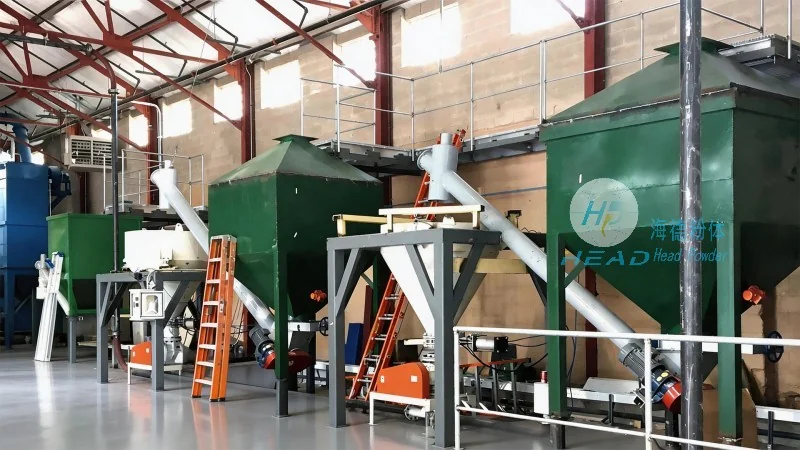
After installation, HeadPowder provides comprehensive training and support to the client’s operations team. This includes training on system operation, maintenance procedures, and troubleshooting. The company also offers ongoing technical support to ensure the conveying line operates at peak efficiency throughout its service life.
Benefits of Using a Well-Designed Ceramic Material Conveying Line
Investing in a well-designed ceramic material conveying line offers numerous benefits for manufacturers. These include:
- **Improved Production Efficiency**: By ensuring a consistent and continuous flow of material, the system reduces downtime and increases overall production output.
- **Enhanced Product Quality**: The controlled handling of ceramic materials minimizes contamination and degradation, leading to higher quality end products.
- **Reduced Labor Costs**: Automated conveying systems reduce the need for manual handling, lowering labor costs and minimizing the risk of workplace injuries.
- **Environmental Compliance**: The integrated dust control systems help manufacturers comply with environmental regulations, avoiding fines and maintaining a positive corporate image.
- **Scalability and Flexibility**: Modular designs allow the system to be expanded or reconfigured as production needs change, providing long-term value and adaptability.