

What is a Glutinous Rice Flour Material Conveying Line? And What Are Its Design Principles?
Glutinous rice flour is a fundamental ingredient in numerous traditional and contemporary food products, and the efficient handling of this material is paramount for manufacturers. A specialized conveying line designed for glutinous rice flour ensures that the material is transported safely, hygienically, and with minimal risk of contamination or degradation. This article examines the concept of a glutinous rice flour material conveying line and explores the underlying design principles that make such systems effective.
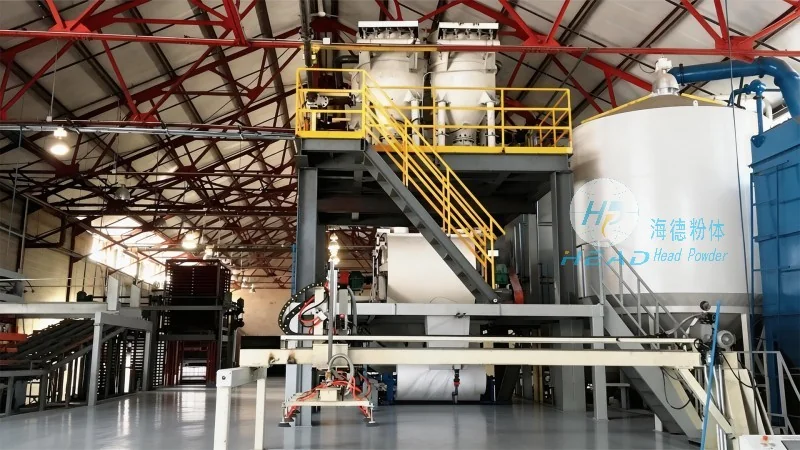
Understanding the Role of a Glutinous Rice Flour Conveying Line
In the food processing industry, particularly in the production of glutinous rice-based items like rice cakes, mochi, and other traditional snacks, the handling of raw materials is a critical step. A dedicated conveying line for glutinous rice flour streamlines the process from raw material intake to processing, ensuring that the flour is moved efficiently without compromising its quality. These systems are engineered to maintain the integrity of the flour, which is essential for preserving the desired texture and flavor in the final products.
Key Design Principles for Glutinous Rice Flour Conveying Systems
The design of a glutinous rice flour conveying line is based on several fundamental principles that address the unique properties of the material. First, the system must minimize exposure to air and moisture, as glutinous rice flour is hygroscopic and can absorb moisture from the environment, leading to clumping or spoilage. The conveying equipment, such as screw conveyors or pneumatic systems, is typically enclosed and sealed to prevent contamination and maintain product quality.
Second, the design prioritizes gentle handling of the flour to avoid breaking down the starch granules or causing excessive friction that could lead to heat generation. The materials used for the conveyor components, such as stainless steel or food-grade plastics, are selected for their non-reactive properties and ability to withstand the abrasive nature of the flour. Additionally, the system incorporates features like variable speed drives and adjustable conveyor angles to optimize the flow of the material and prevent blockages.
Components and Functionality of the Conveying Line
A typical glutinous rice flour conveying line consists of several interconnected components that work together to move the material through the processing facility. At the intake end, a hopper or storage bin collects the raw glutinous rice flour, which is then fed into the primary conveyor. The primary conveyor, often a screw or auger conveyor, transports the flour from the storage area to the processing or packaging stations. Along the way, the system may include intermediate storage bins or surge hoppers to regulate the flow and prevent overloading of downstream equipment.
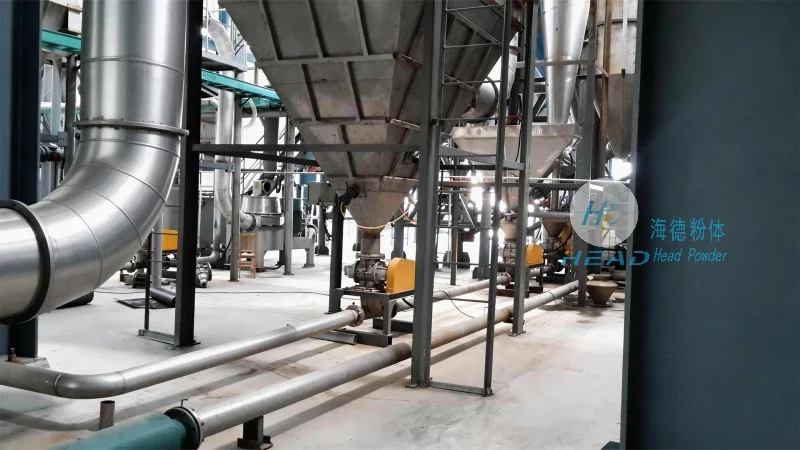
The conveying line may also incorporate cleaning and maintenance features, such as removable conveyor sections and easy-to-clean surfaces, to ensure compliance with food safety regulations. Sensors and control systems are integrated to monitor the flow rate, detect blockages, and adjust the operation of the conveyor as needed. This automation enhances the efficiency and reliability of the system, reducing downtime and ensuring consistent product quality.
The Importance of Hygiene and Sanitation in Design
For a product like glutinous rice flour, which is used in food applications, maintaining high standards of hygiene and sanitation is non-negotiable. The design of the conveying line incorporates several features to meet these requirements. The entire system is constructed from materials that are easy to clean and sanitize, such as stainless steel, and the surfaces are smooth and free of crevices where bacteria or contaminants can accumulate. The conveyor components are designed with minimal dead zones, and the system includes self-cleaning mechanisms to prevent the buildup of flour residue.
Regular cleaning protocols are also integrated into the design, with access panels and removable parts that allow for thorough cleaning. The system may include CIP (Clean-in-Place) capabilities, where cleaning solutions are circulated through the conveyor to sanitize the internal surfaces without disassembling the equipment. This not only ensures compliance with food safety regulations but also reduces the risk of cross-contamination between different batches of flour.
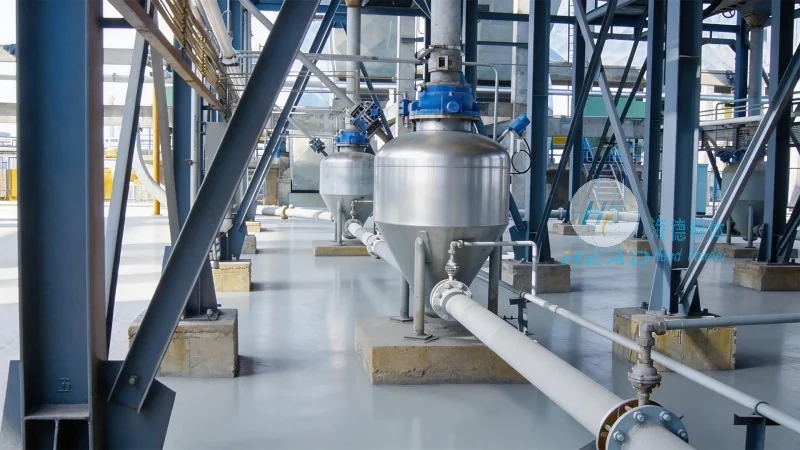
Customization and Scalability of the Conveying Line
Manufacturers often require conveying systems that can be customized to meet their specific production needs. The design of a glutinous rice flour conveying line allows for flexibility in terms of capacity, speed, and layout. The system can be scaled up or down based on the production volume, with options for single or multiple conveyor lines to handle varying throughput requirements. Additionally, the system can be integrated with other processing equipment, such as mixers, extruders, or packaging machines, to create a seamless production line.
The modular design of the conveying line enables easy expansion or modification as production needs change. For example, additional storage bins or conveyor sections can be added to increase capacity, or different types of conveying equipment can be swapped in to handle variations in flour characteristics. This adaptability makes the system suitable for both small-scale artisanal producers and large-scale industrial manufacturers.
Conclusion: The Value of a Well-Designed Glutinous Rice Flour Conveying Line
A well-designed glutinous rice flour material conveying line is more than just a means of moving raw material; it is a critical component of an efficient and hygienic food processing operation. By adhering to the key design principles of minimizing contamination, gentle handling, and maintaining product integrity, these systems ensure that the quality of the final product is consistently high. The integration of advanced features like automation, monitoring, and sanitation capabilities further enhances the operational efficiency and compliance with industry standards.
For companies in the food industry, investing in a properly designed conveying line for glutinous rice flour is a strategic decision that can lead to improved productivity, reduced waste, and enhanced product quality. The expertise of manufacturers like Shandong HeadPowder Engineering Co., Ltd., based in China, plays a vital role in developing these systems tailored to the specific needs of their clients, ensuring that the conveying line not only meets current requirements but is also scalable for future growth.